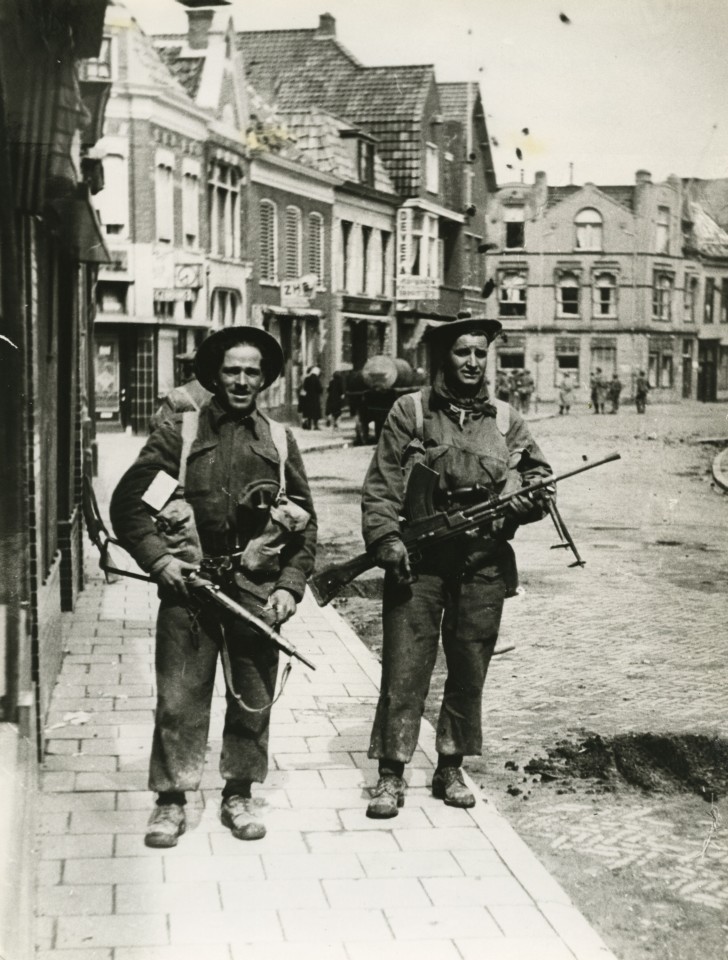
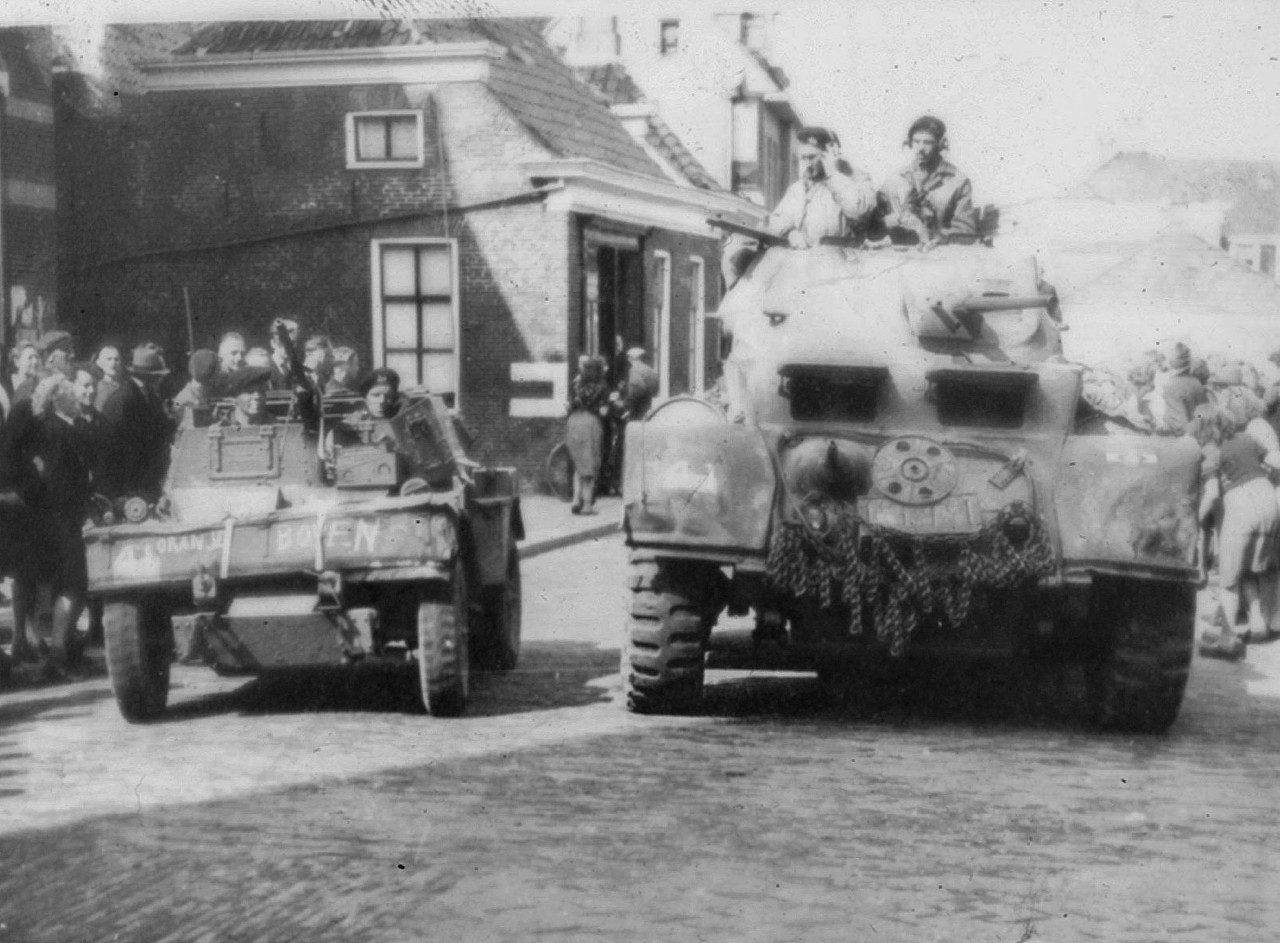
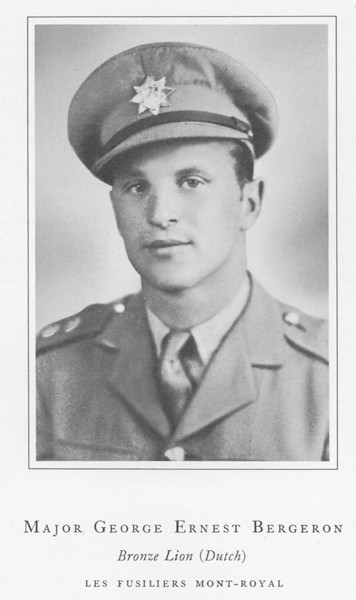
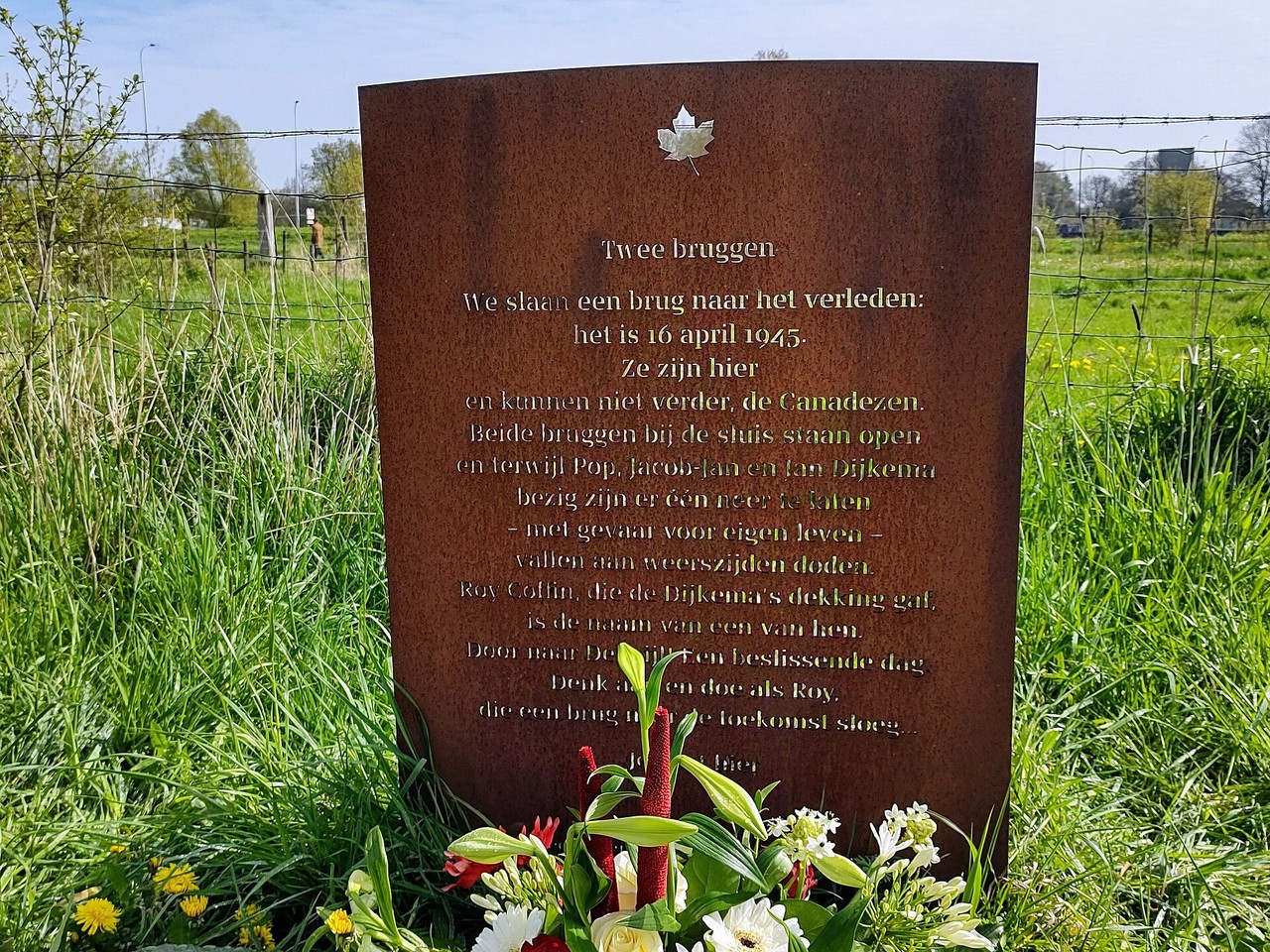
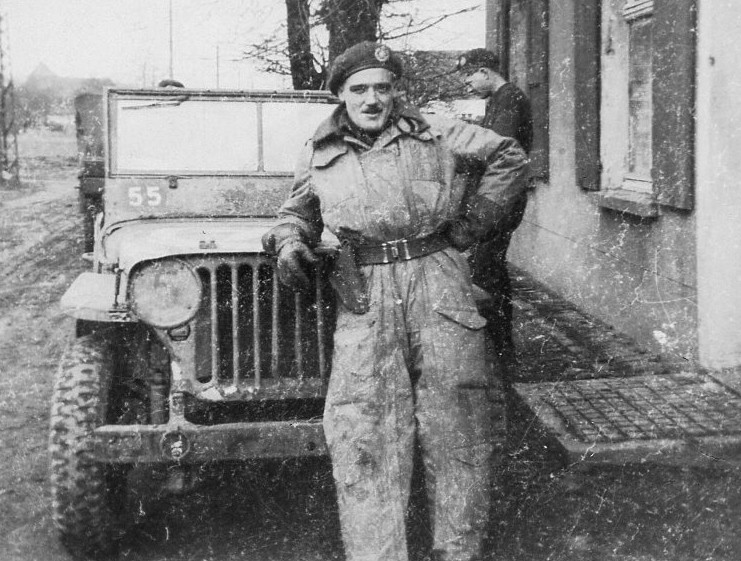
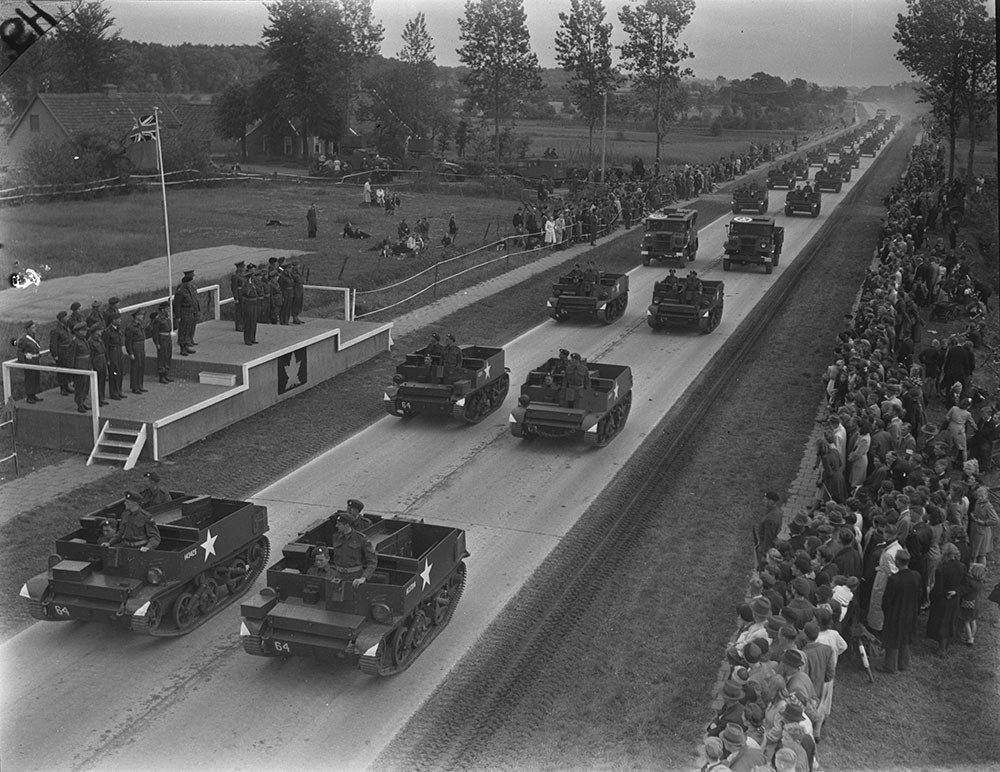
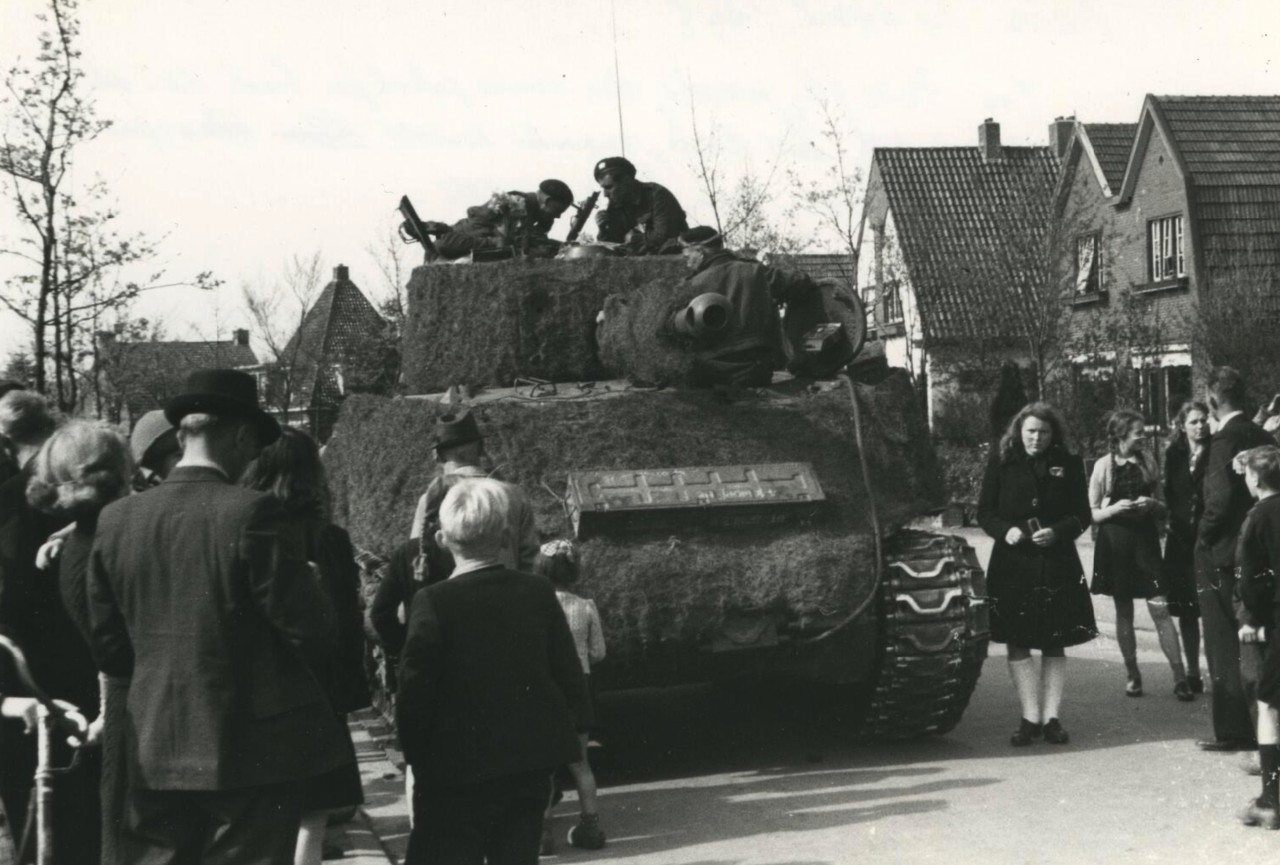
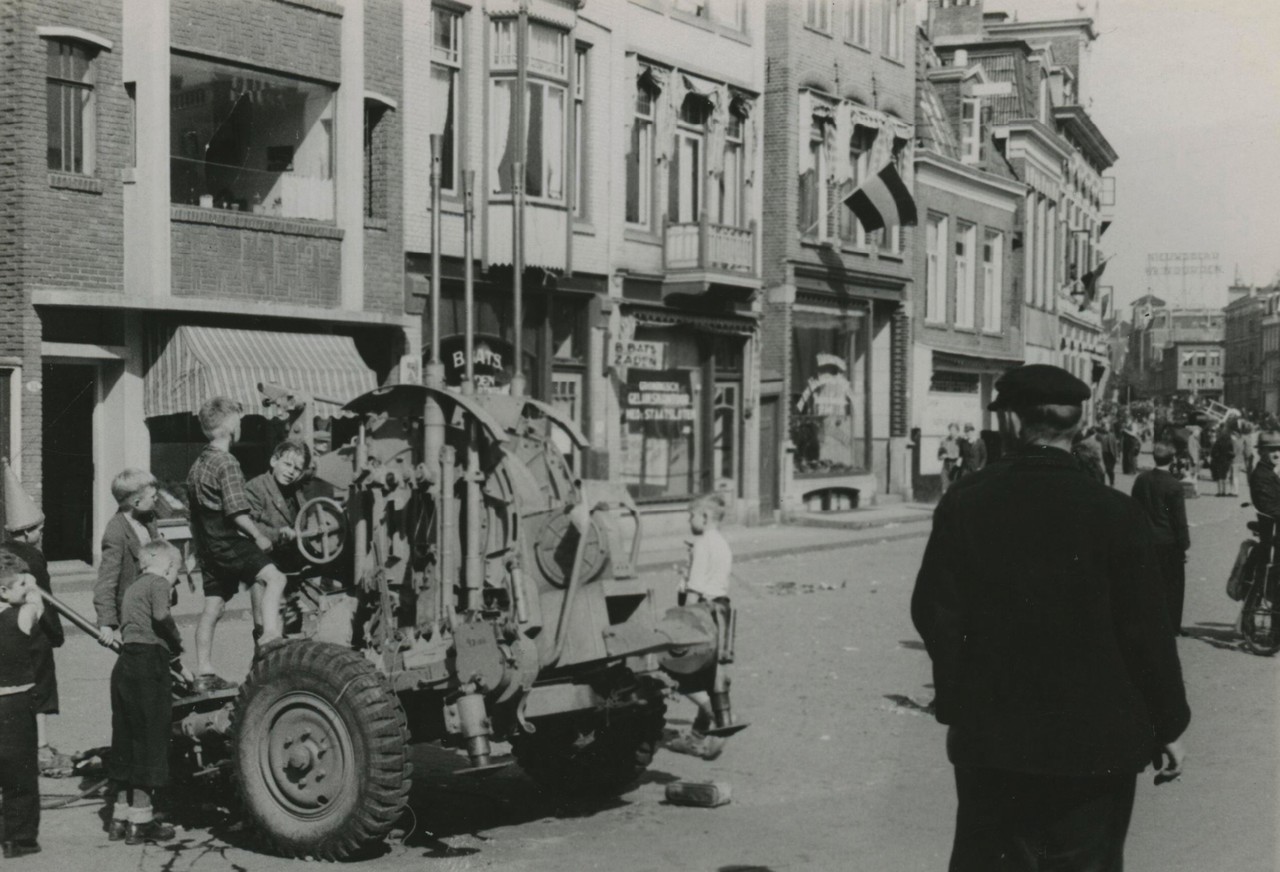
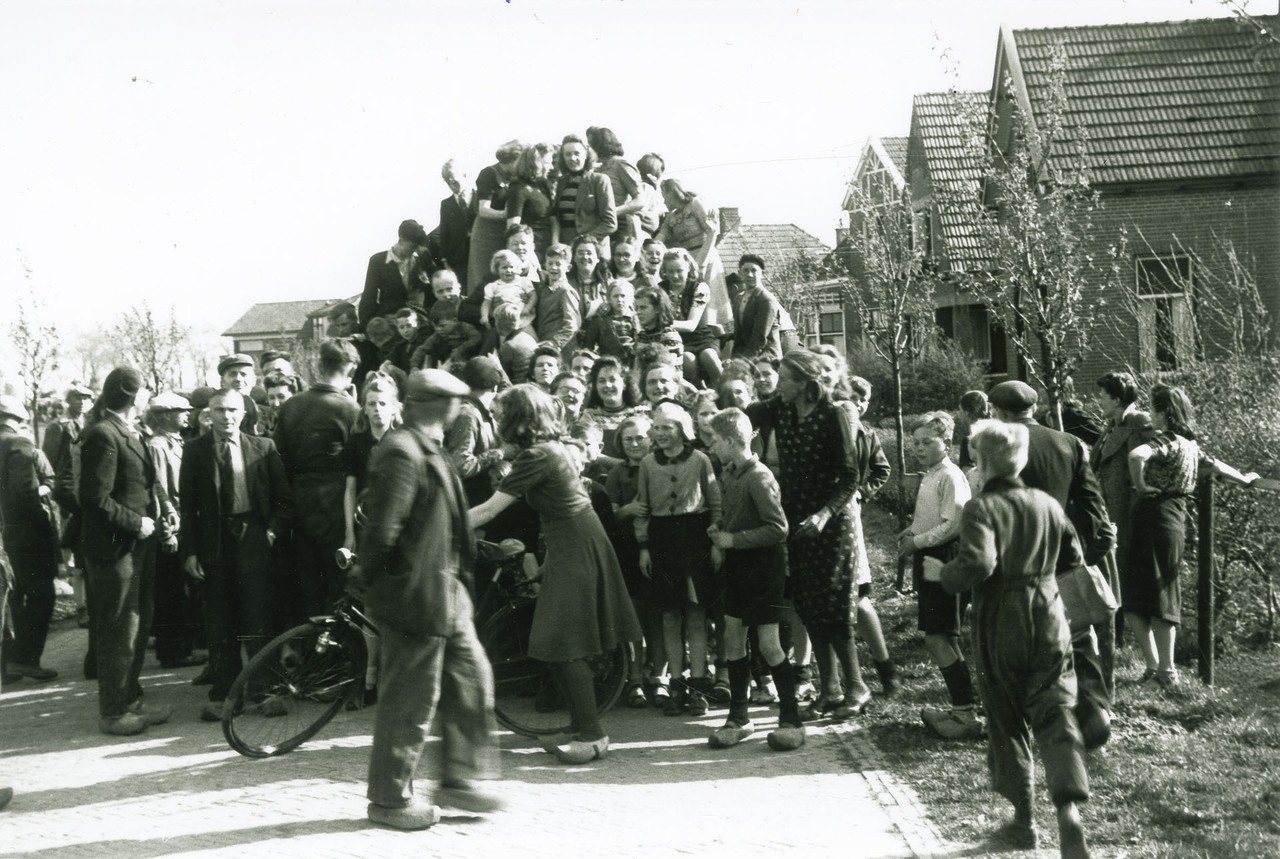
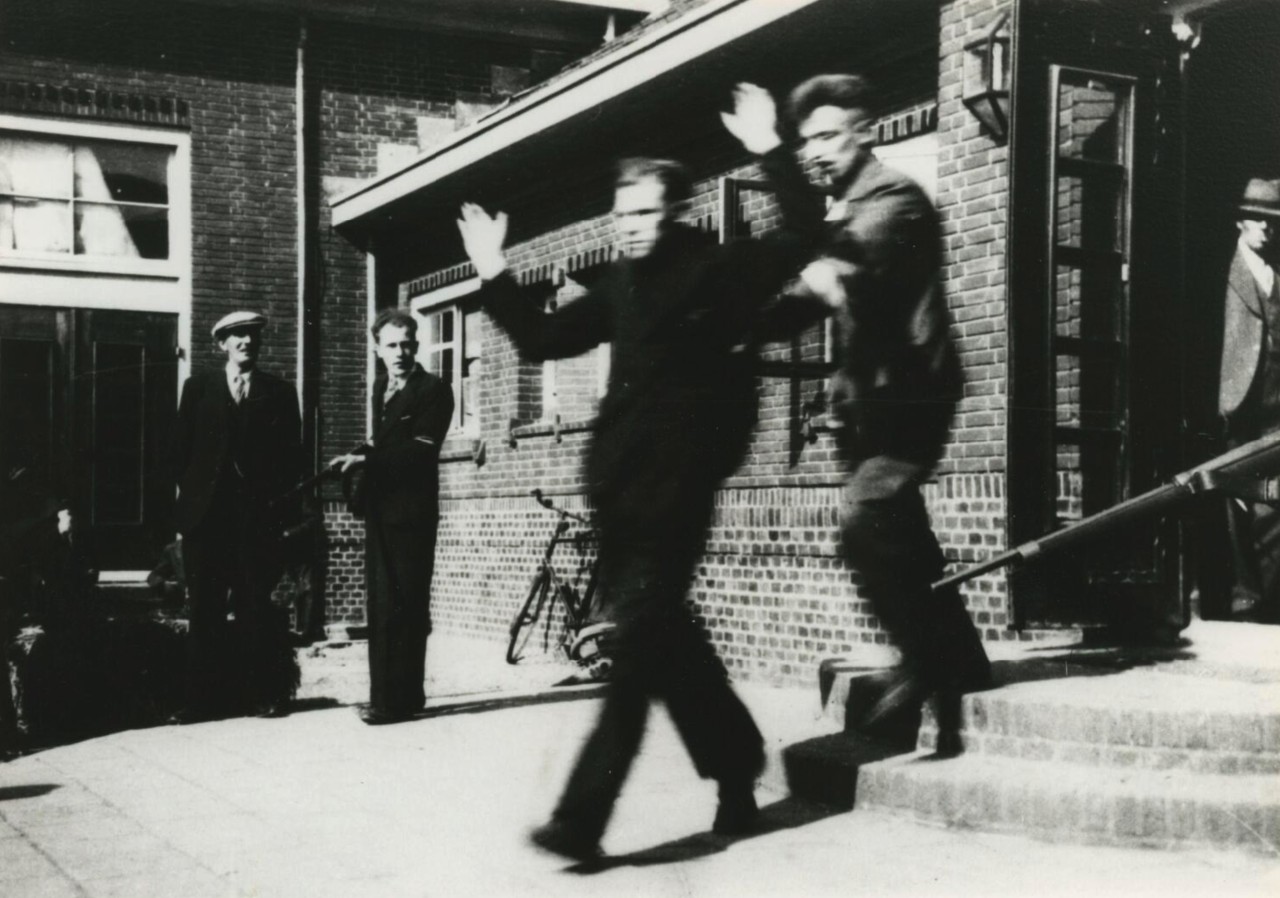
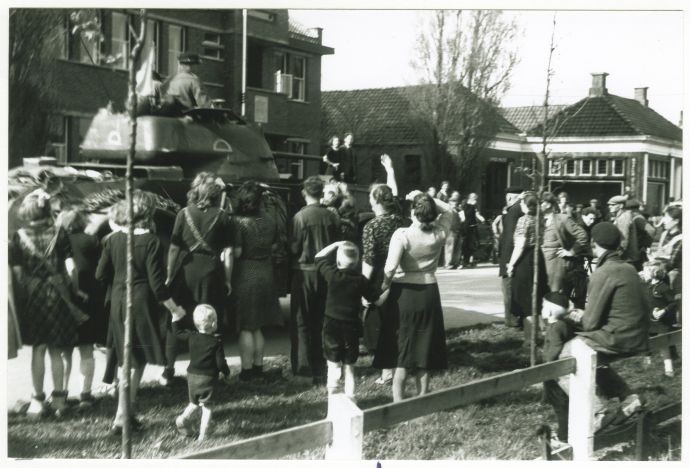
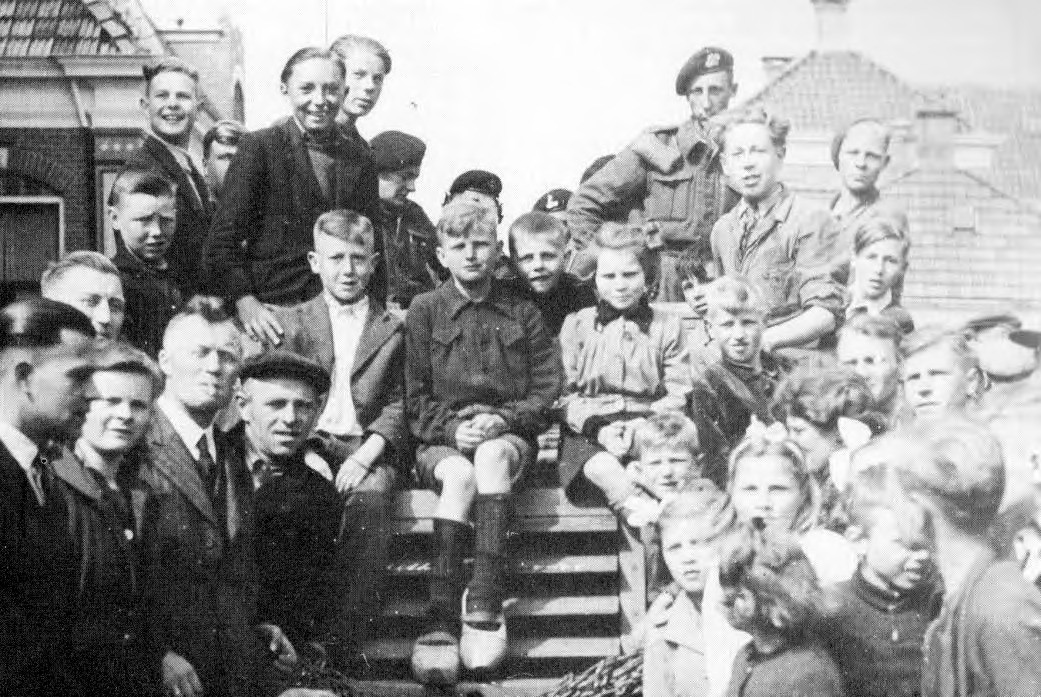
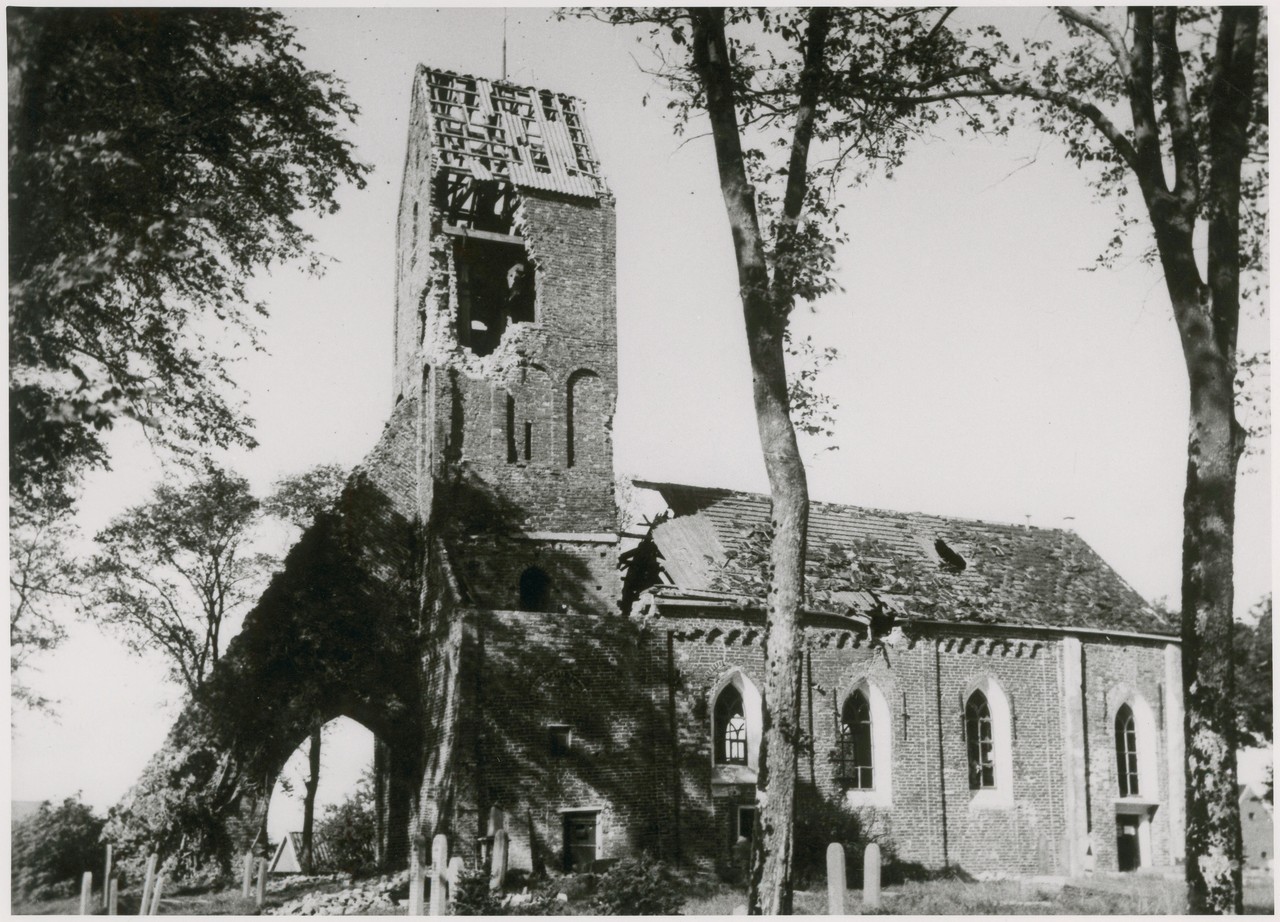
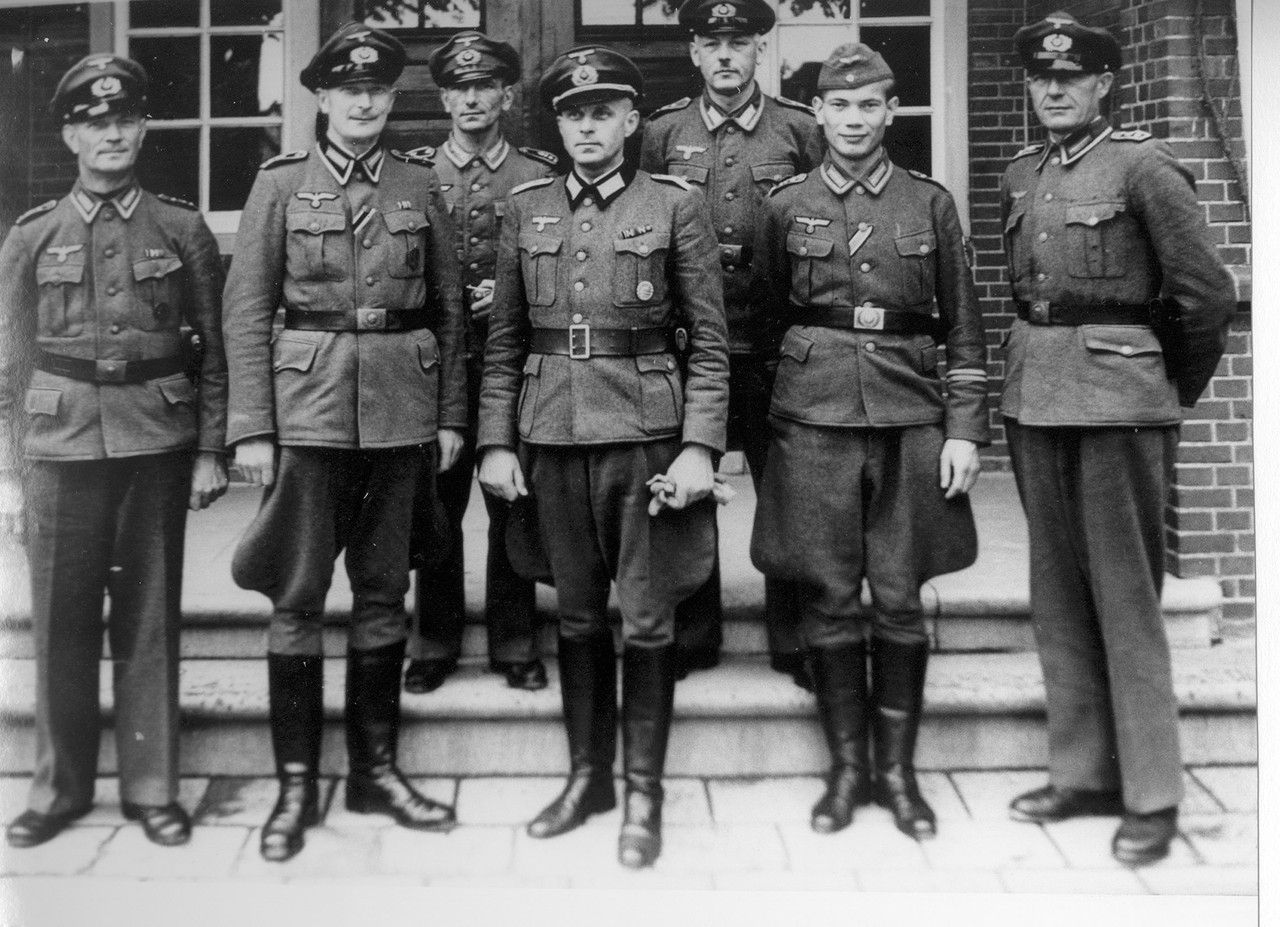
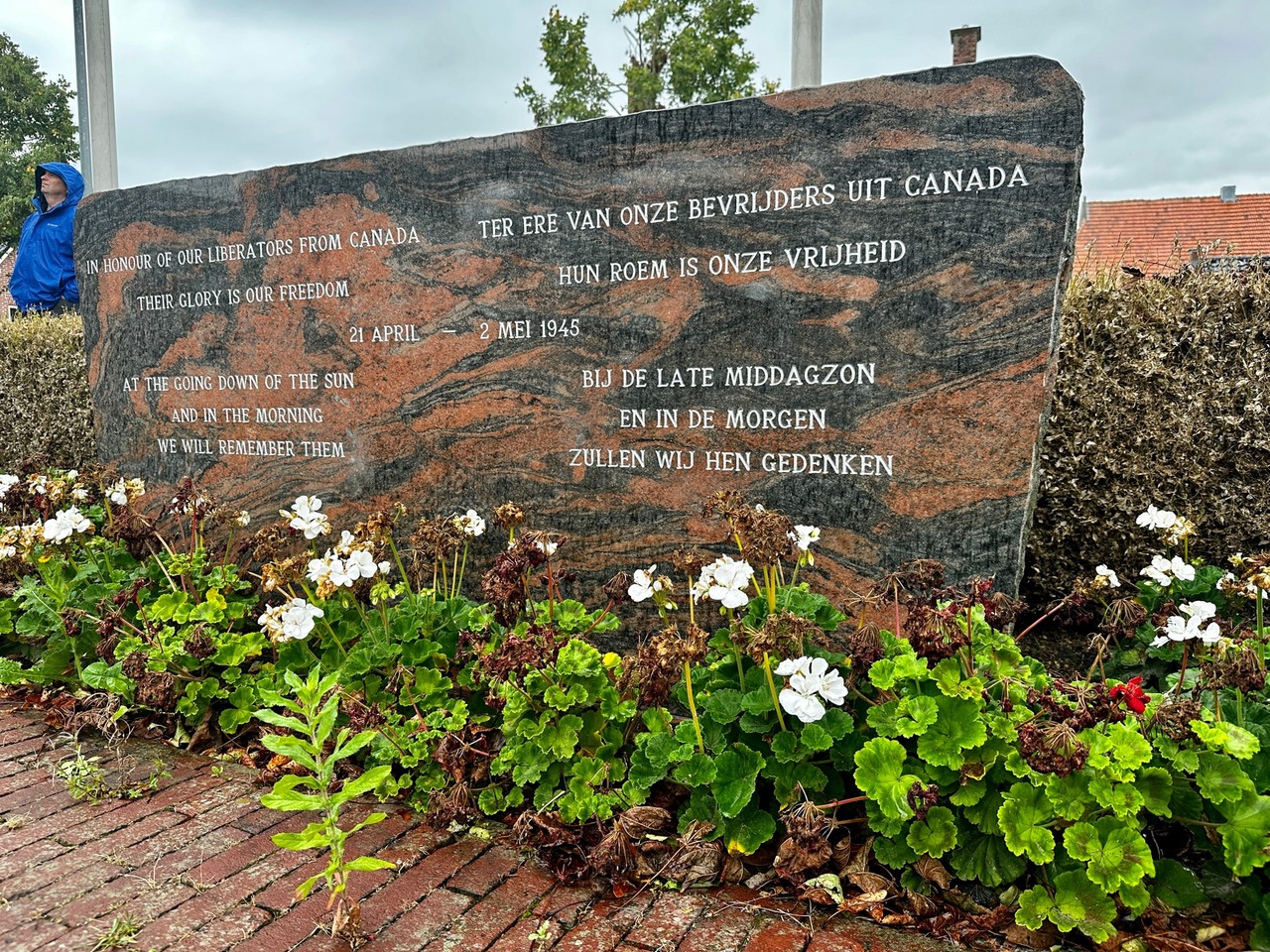
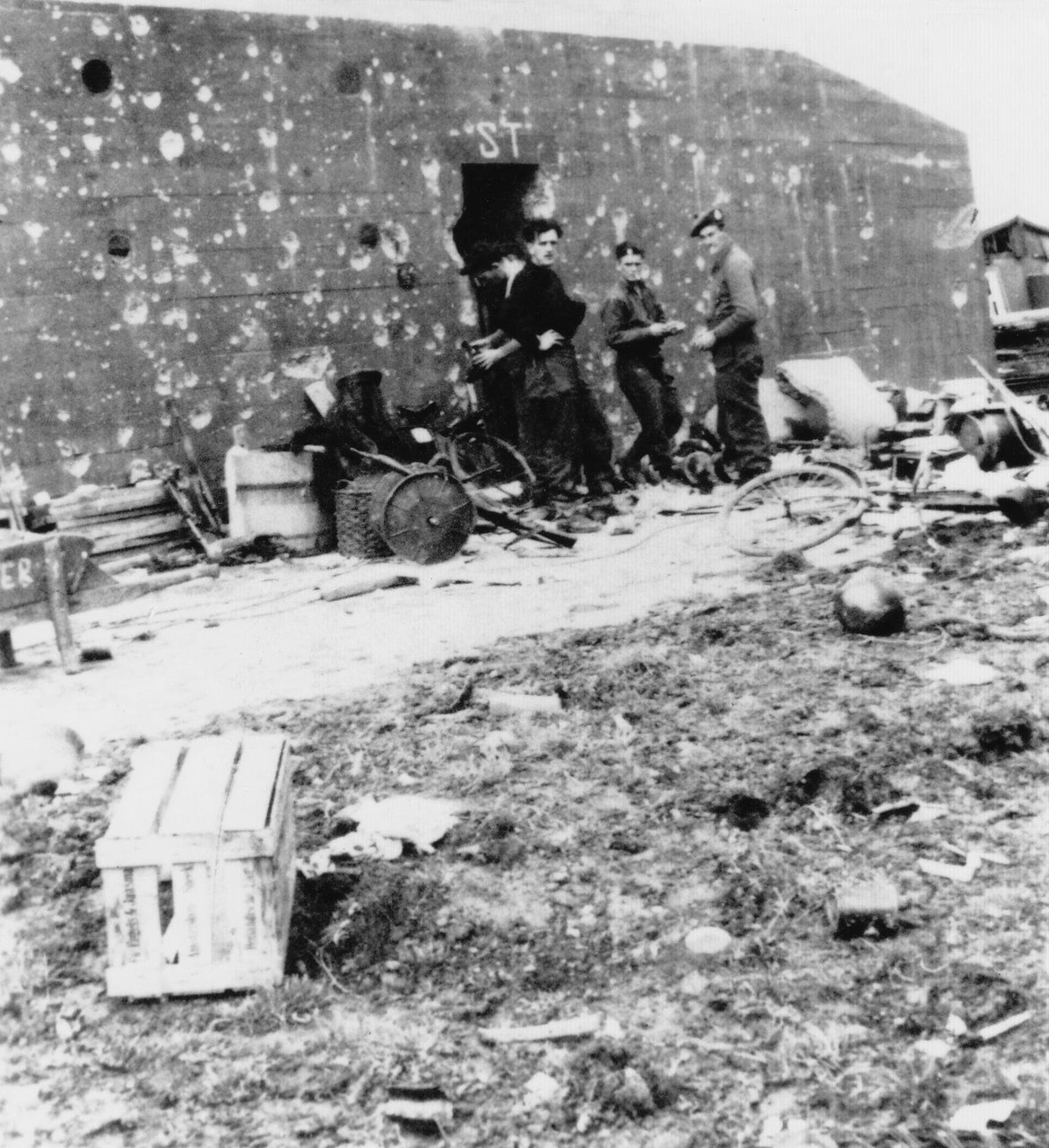
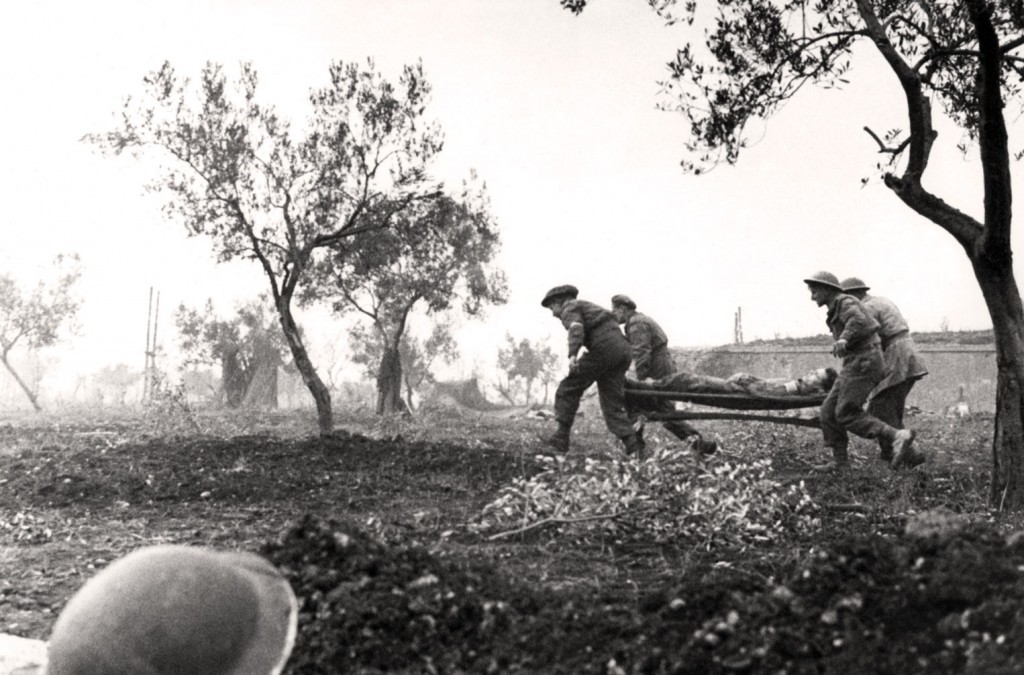
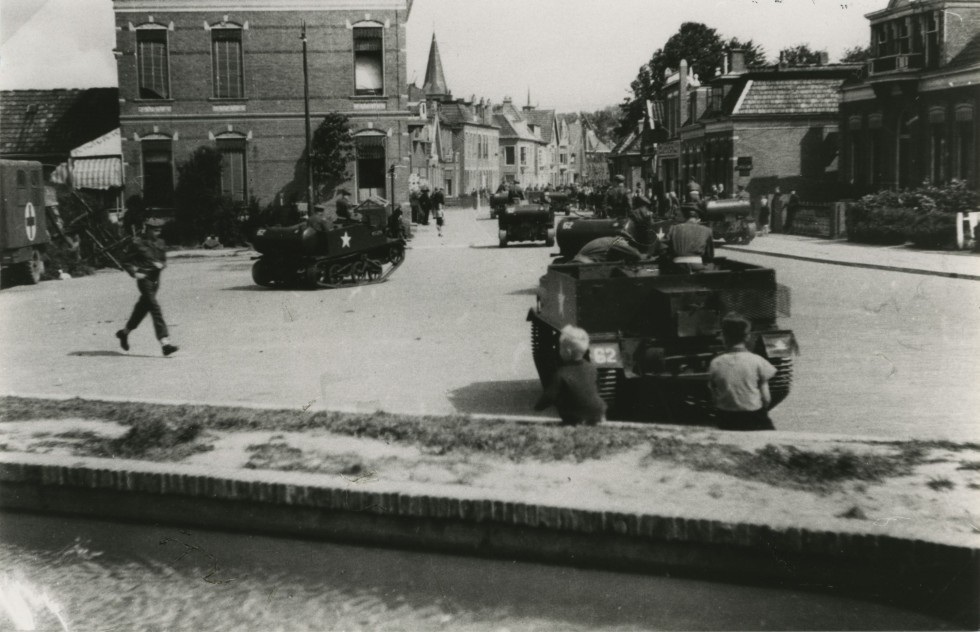
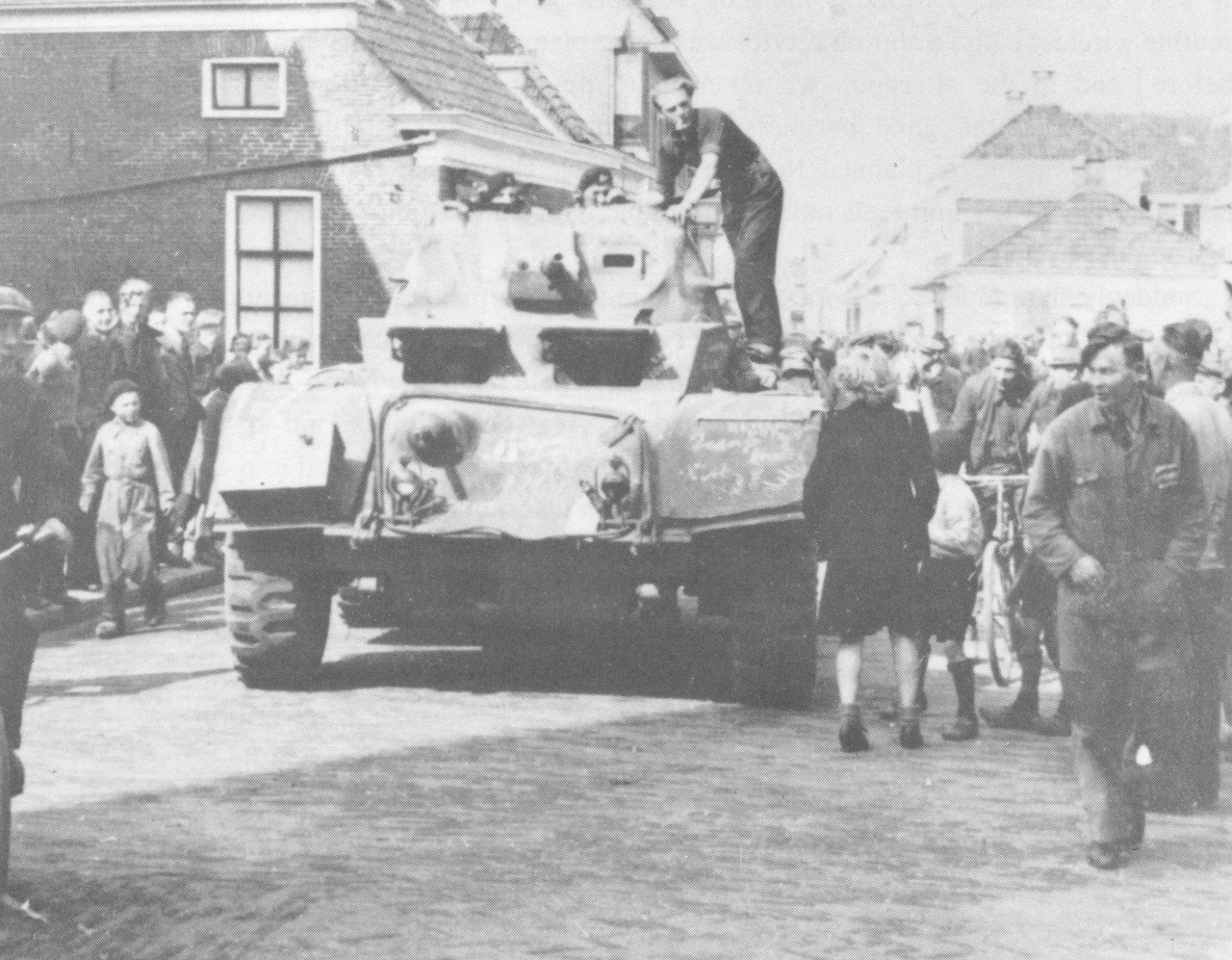
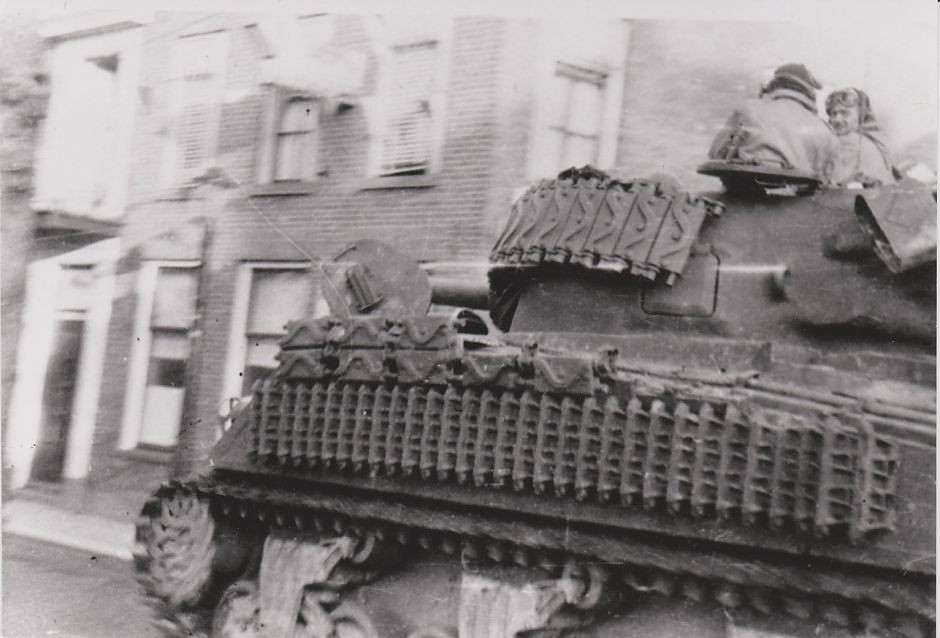
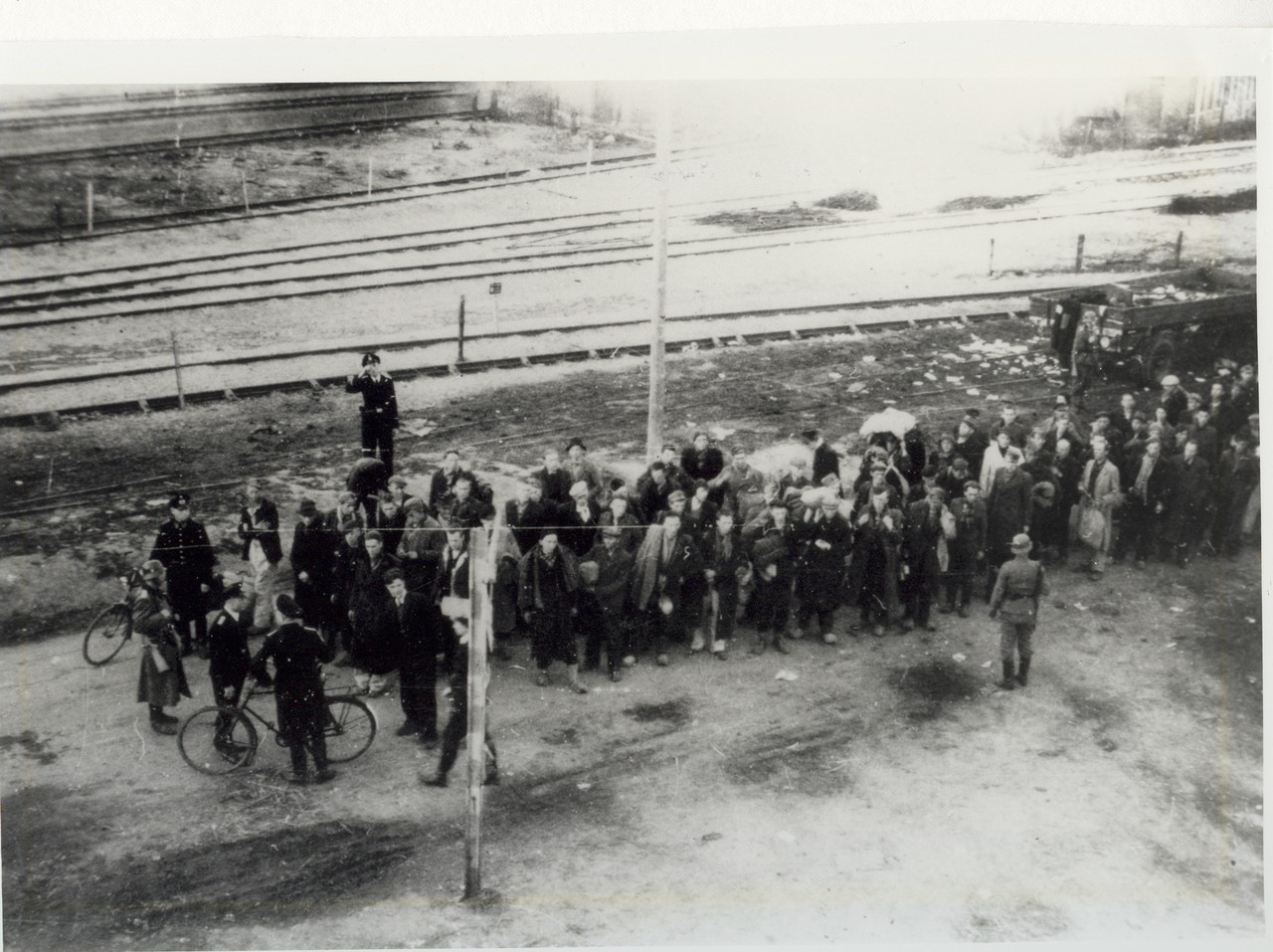
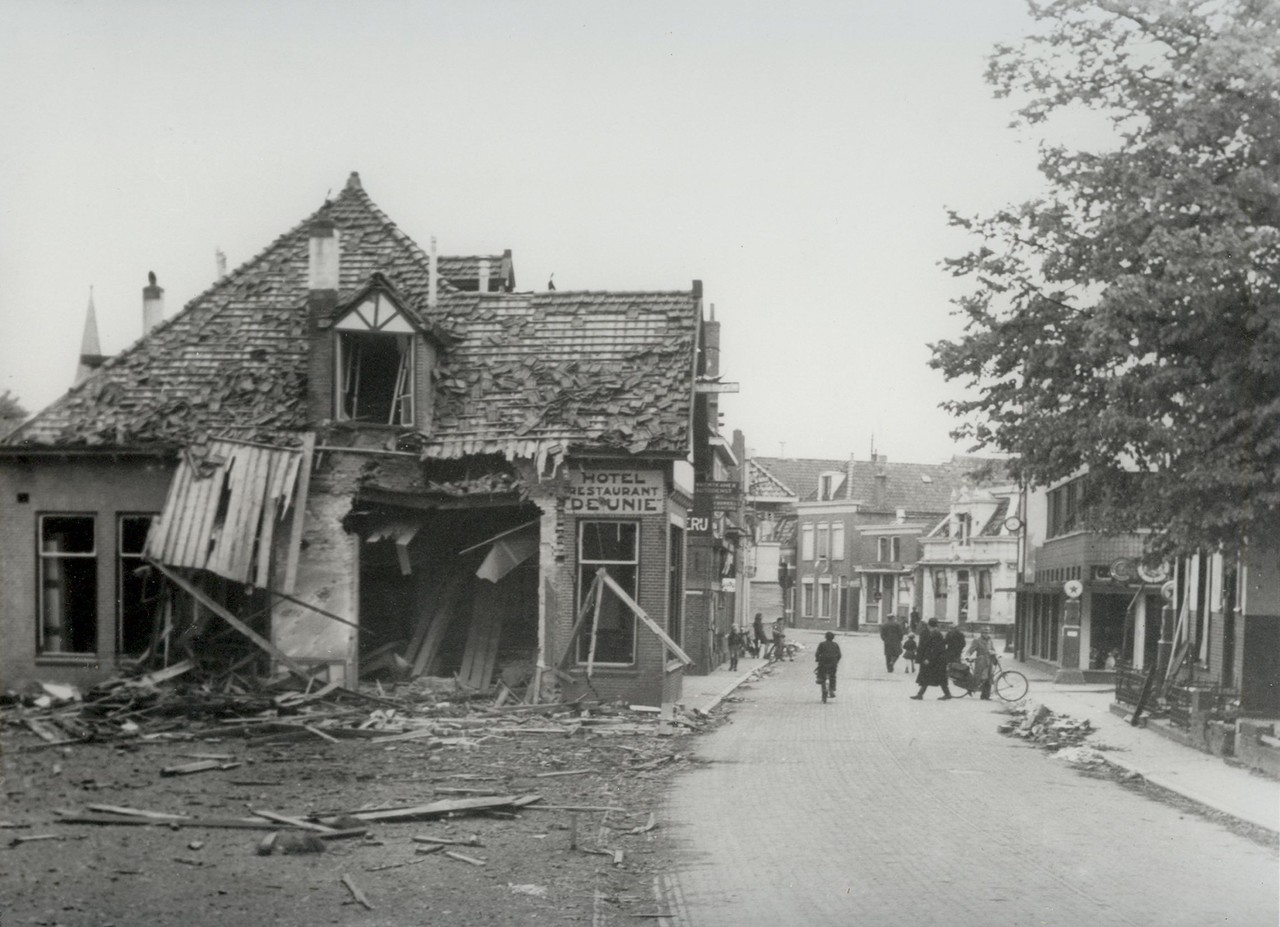
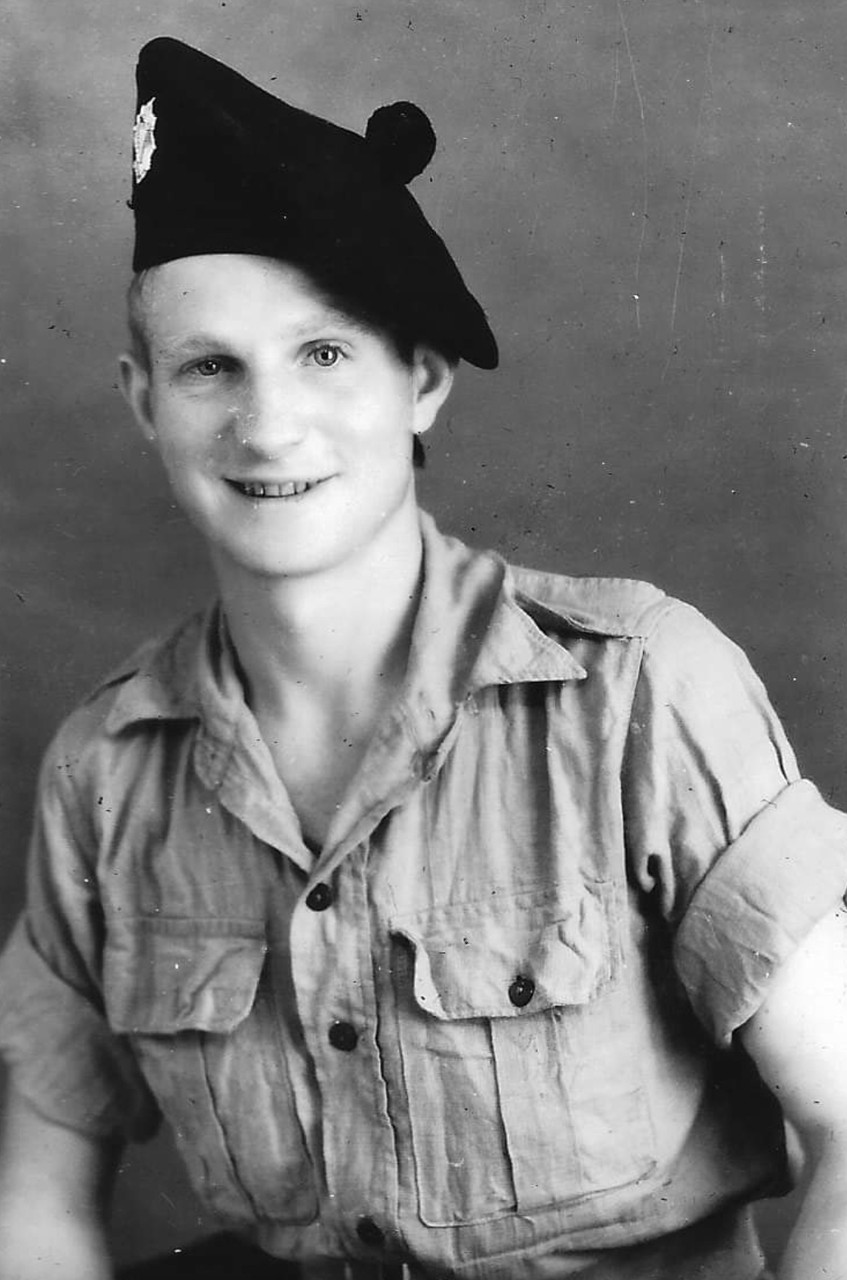
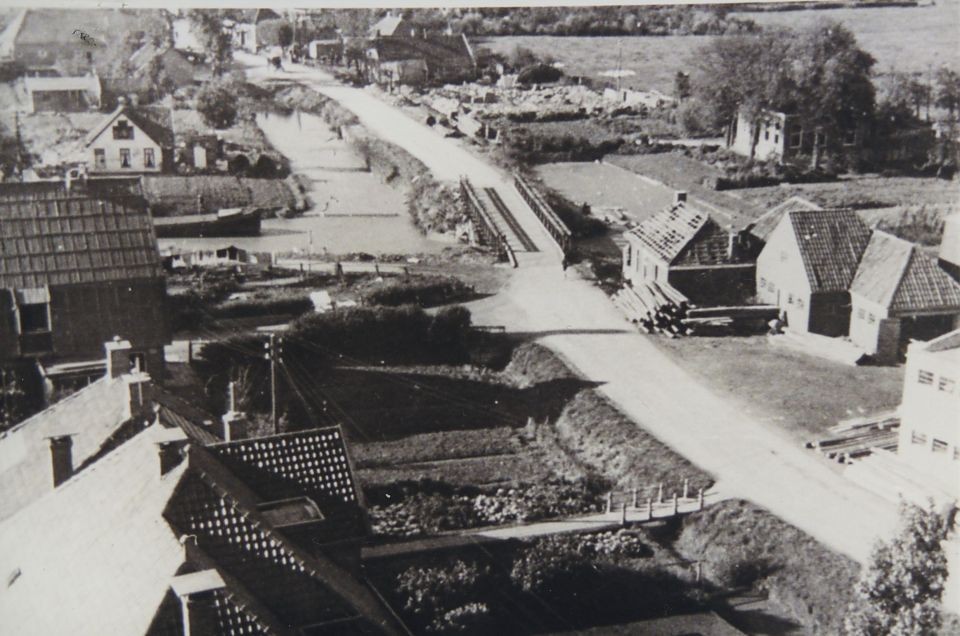
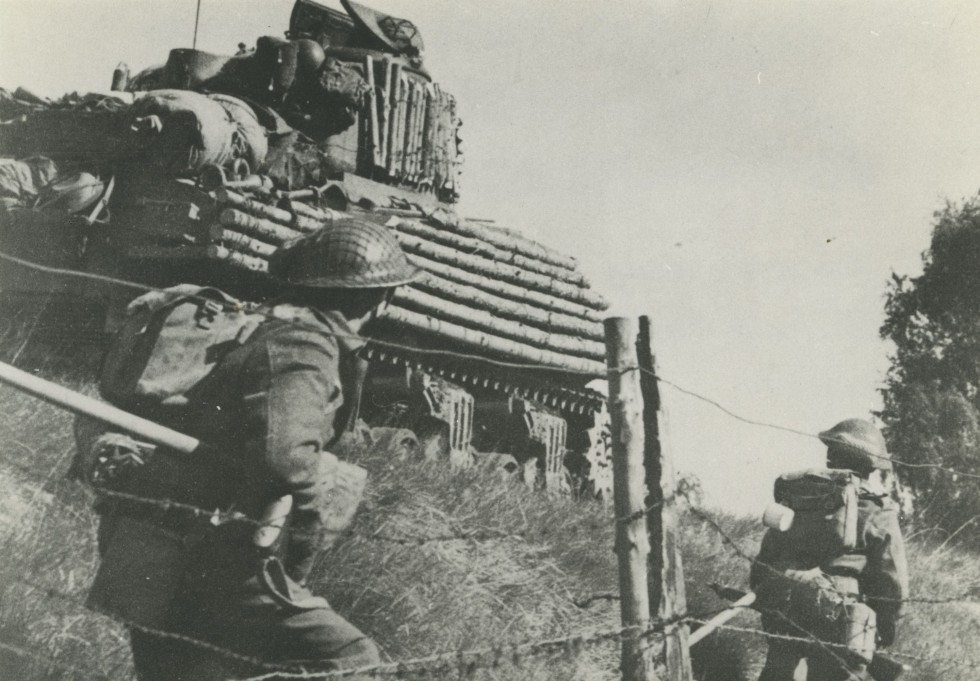
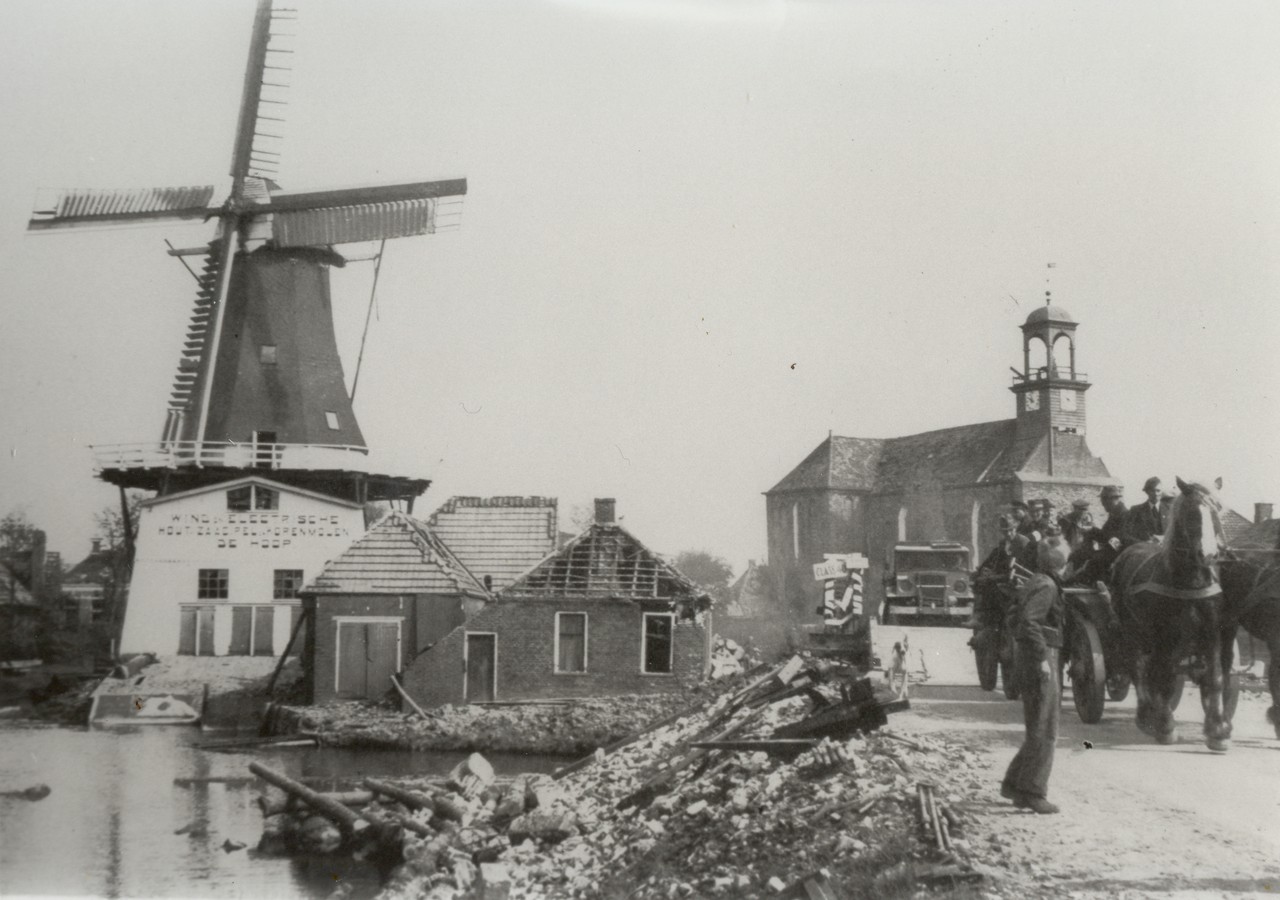
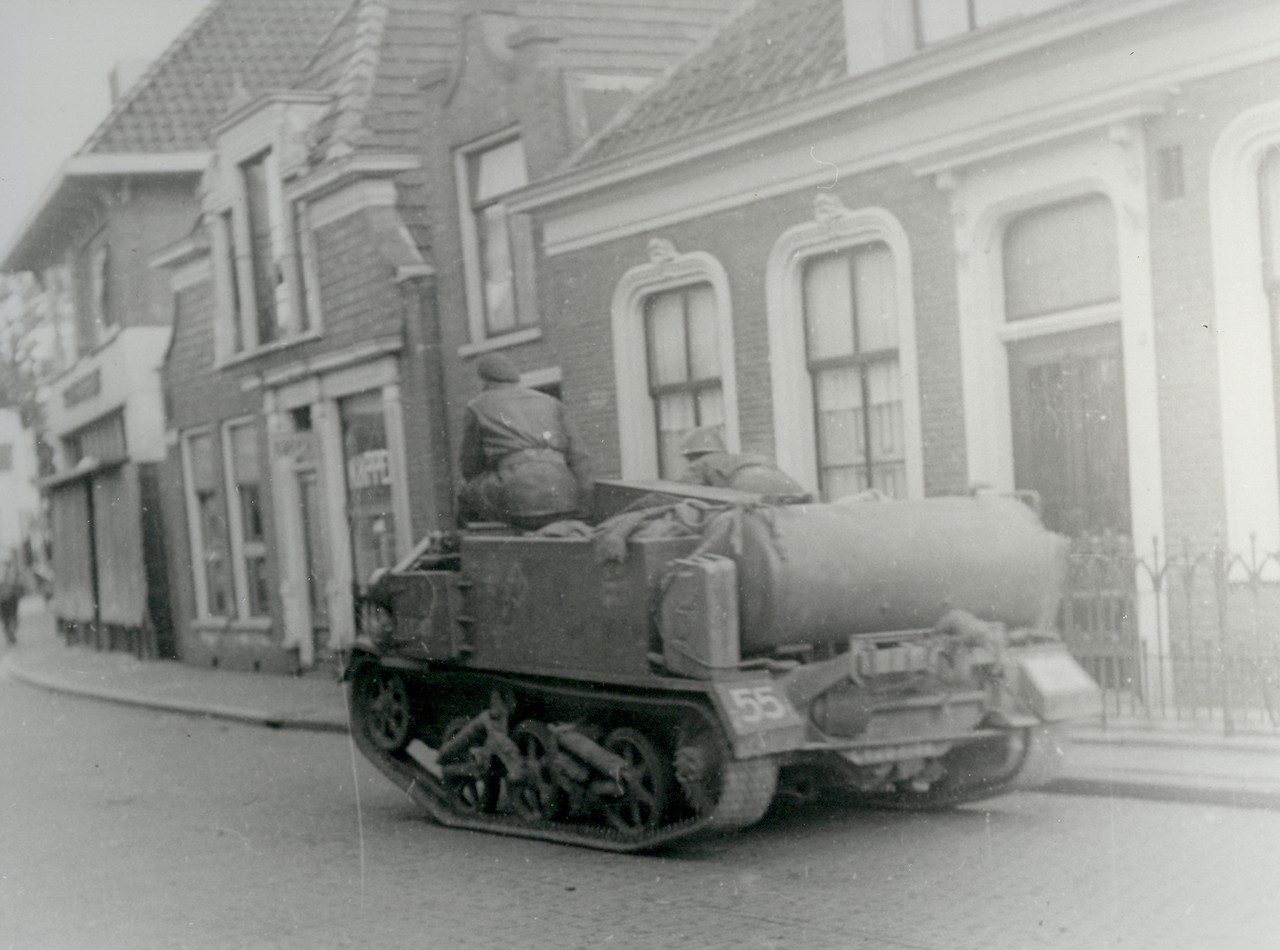
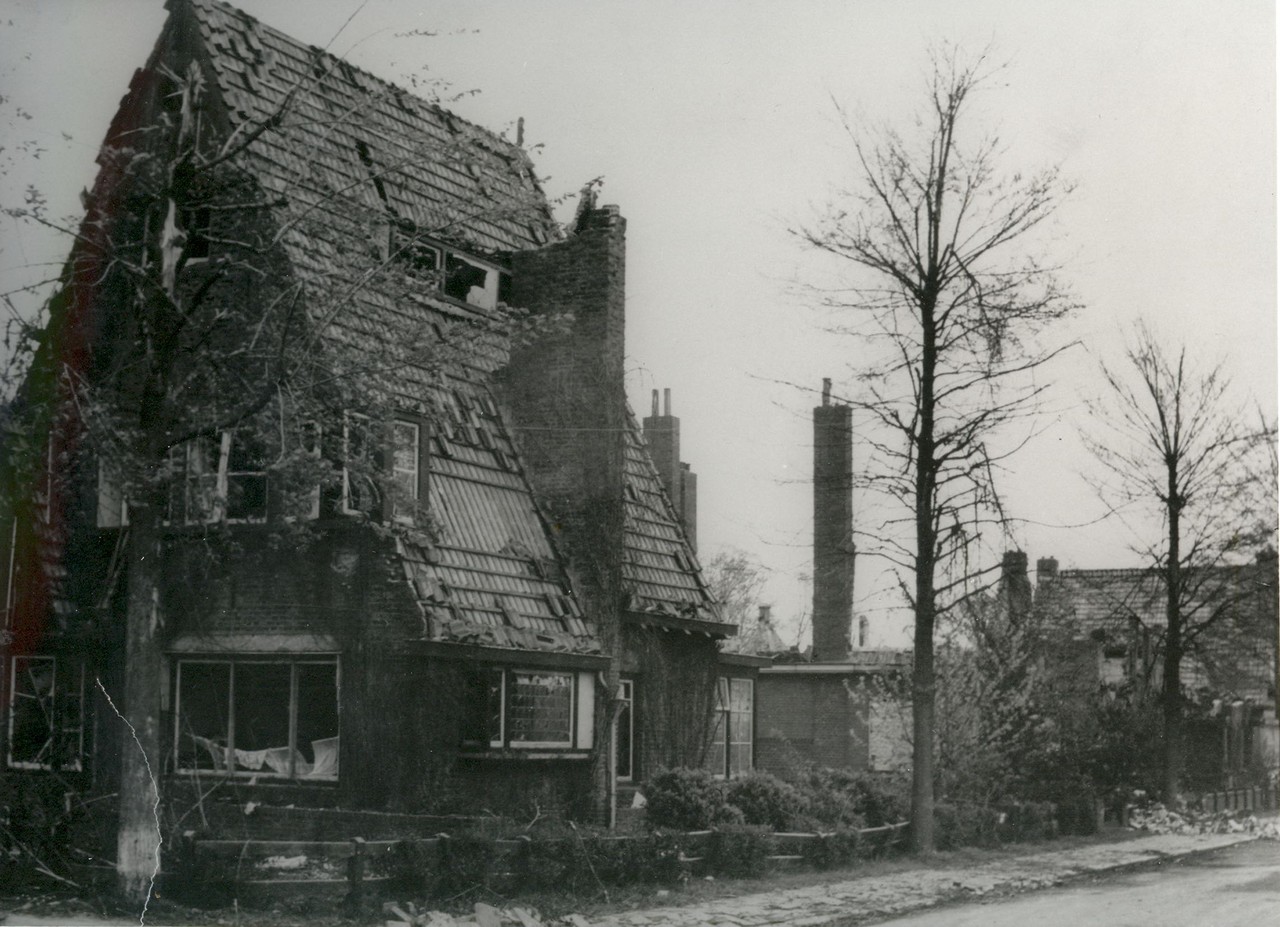
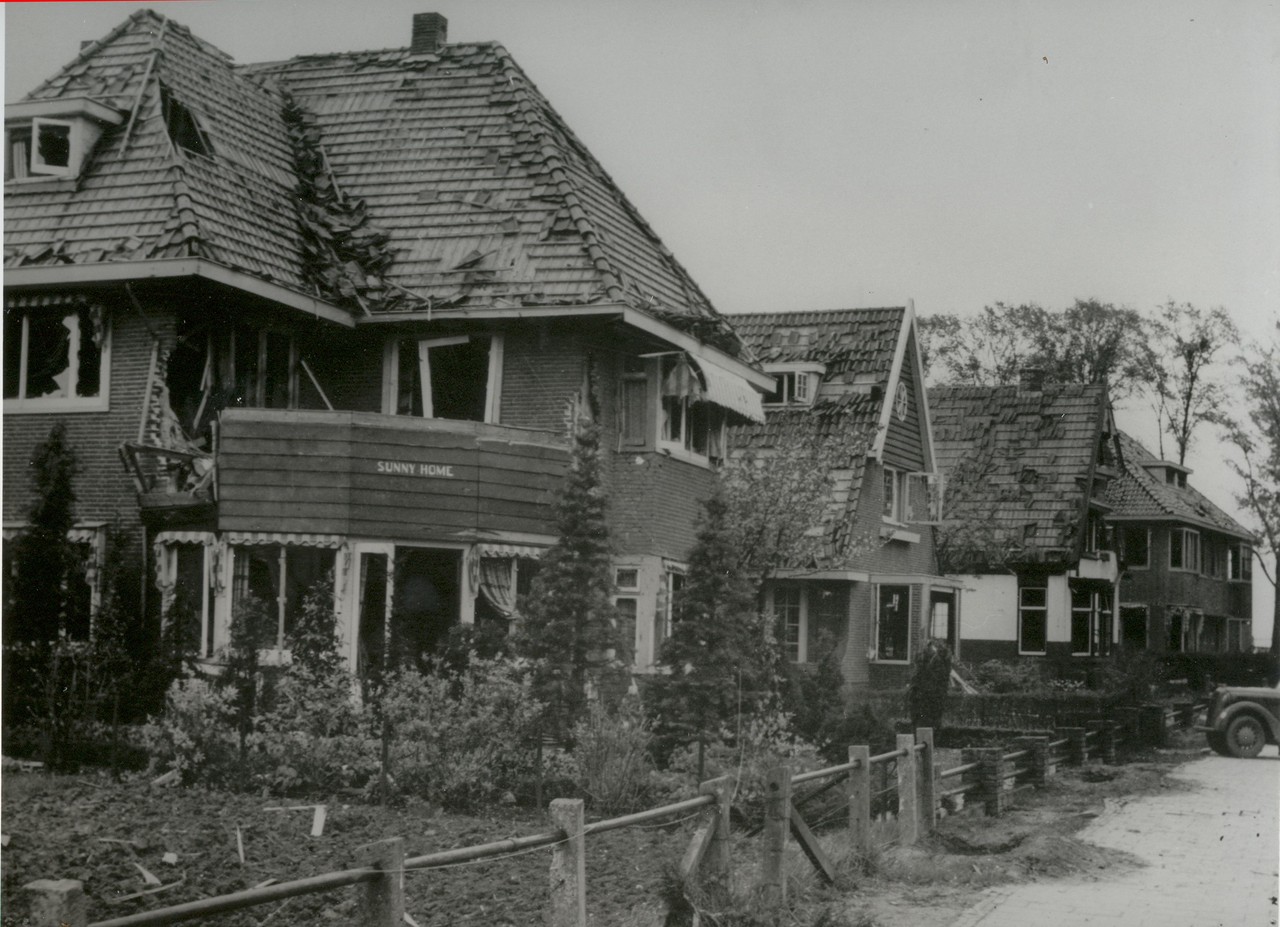
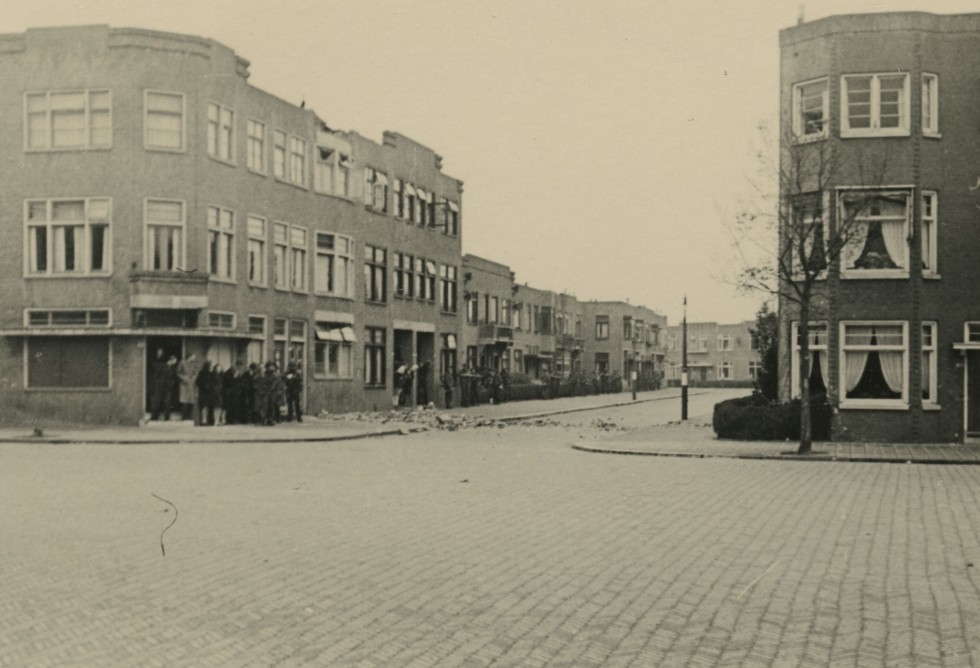
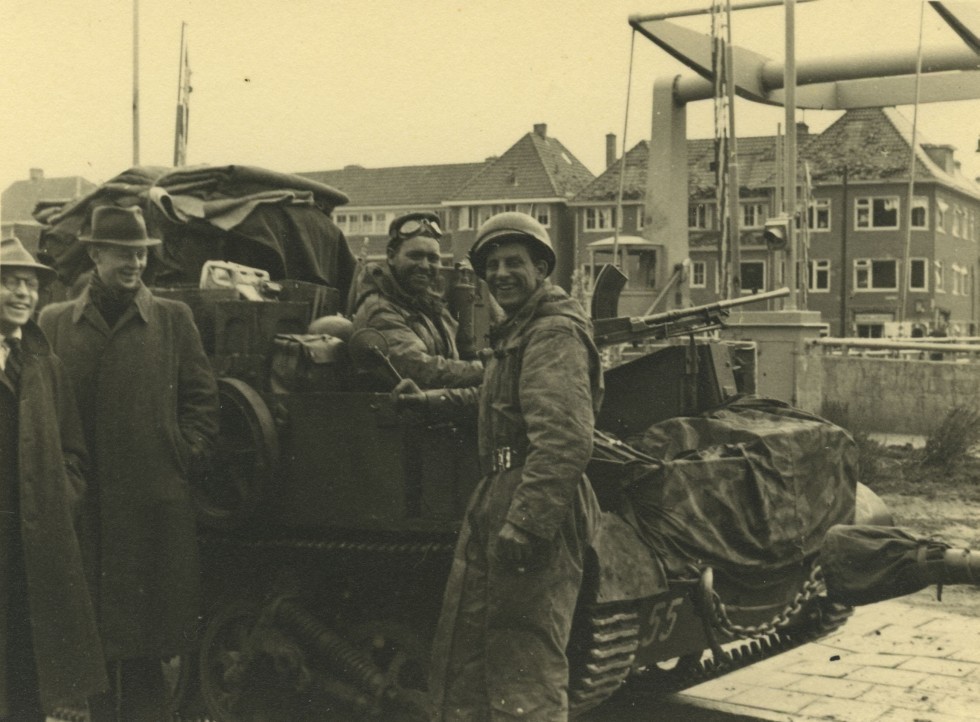
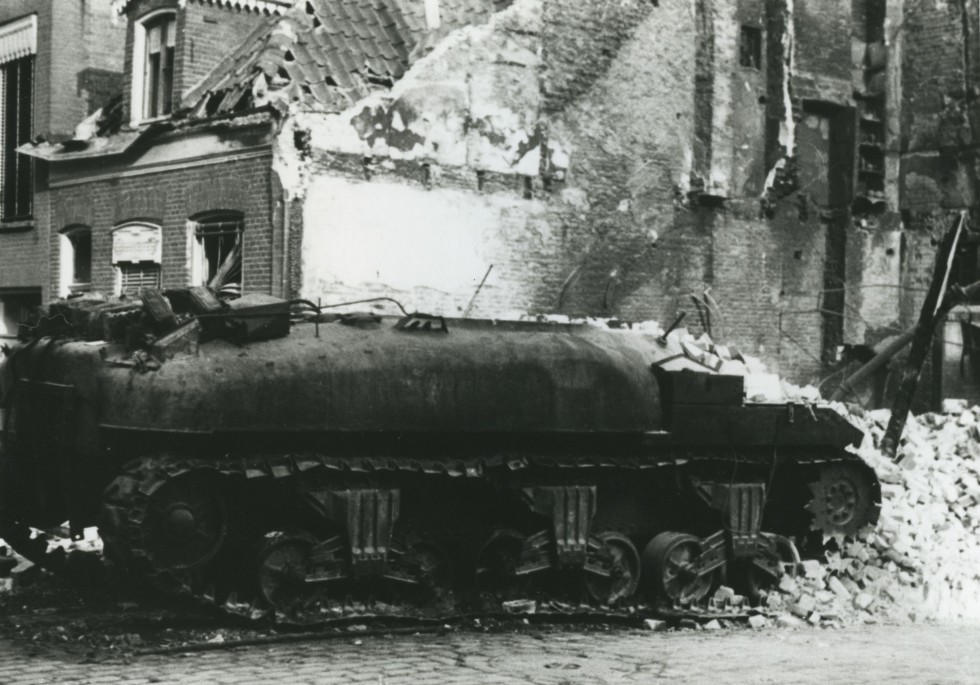
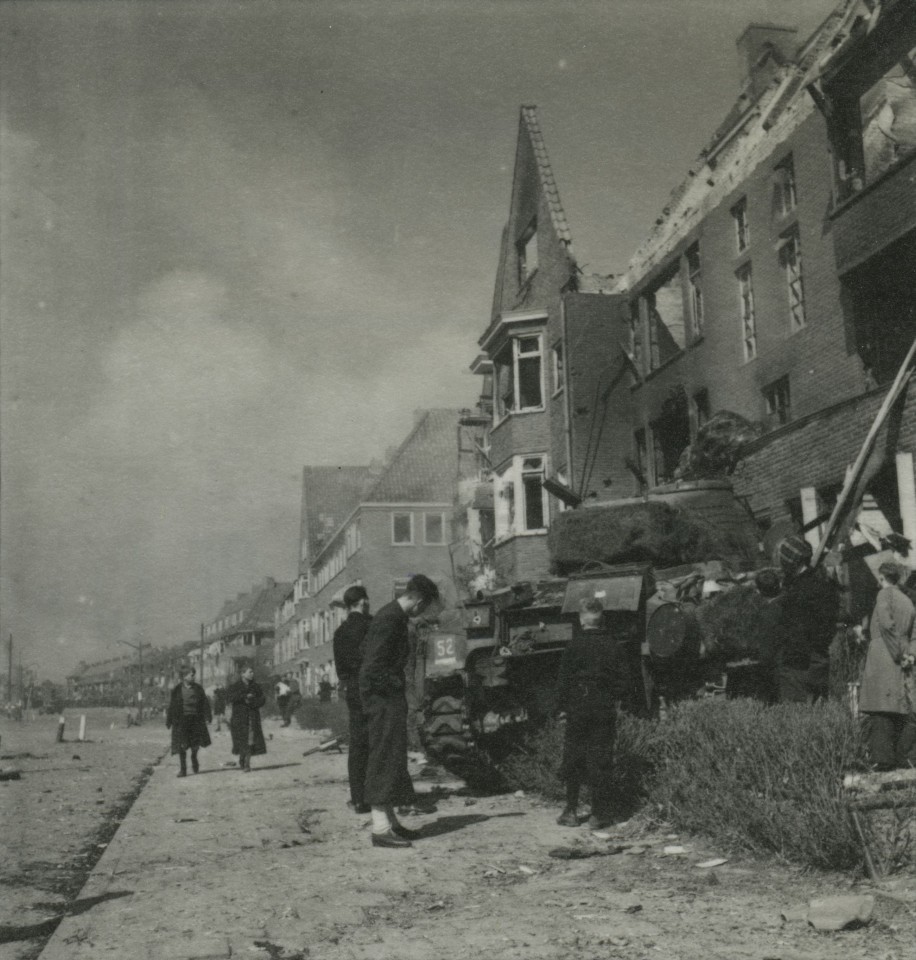
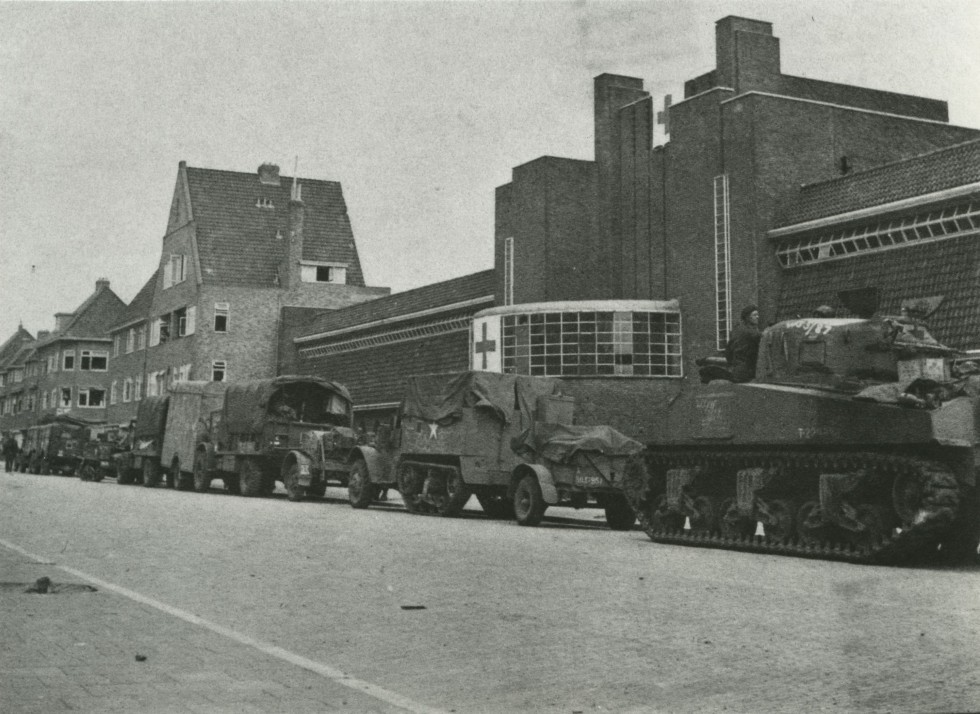
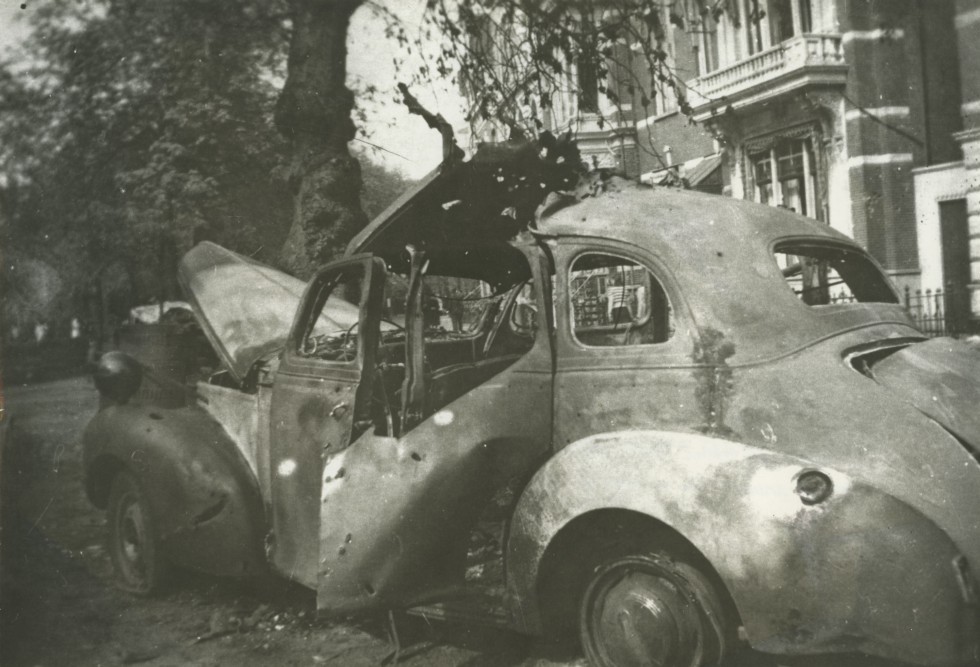
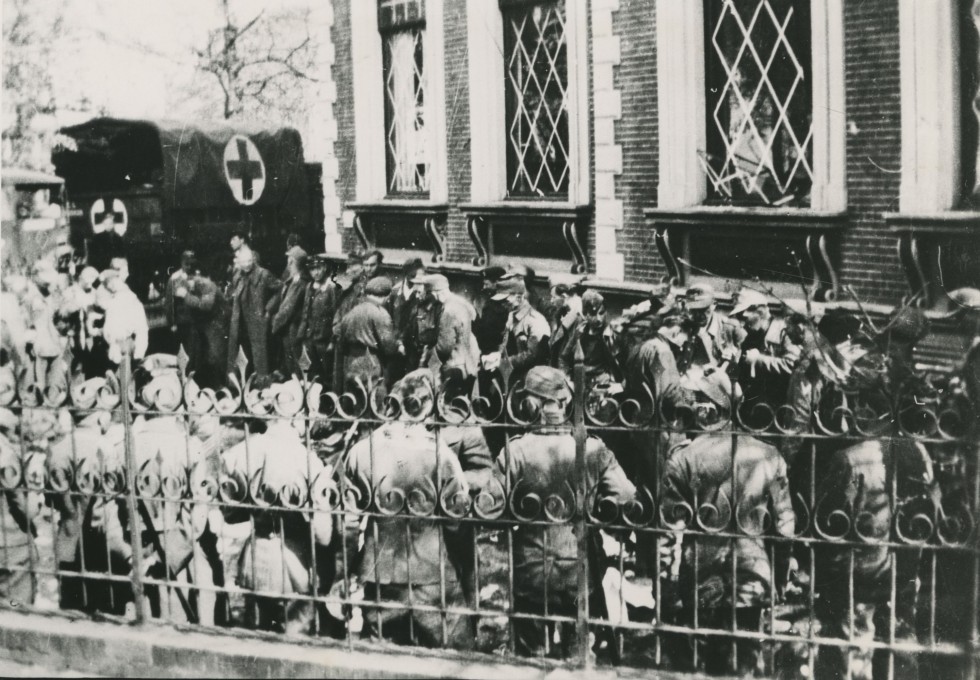
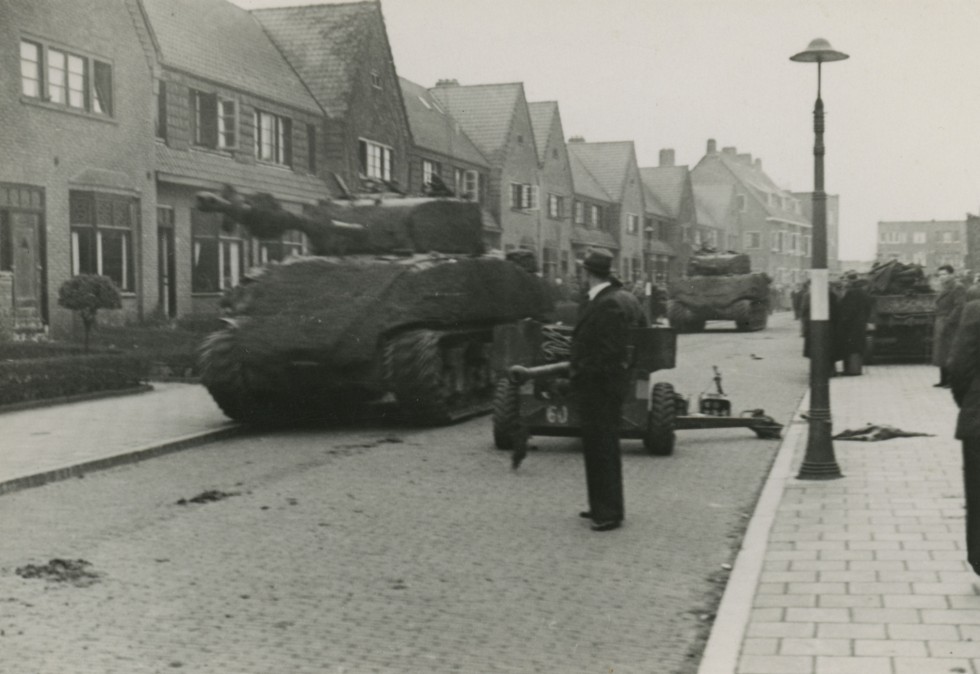
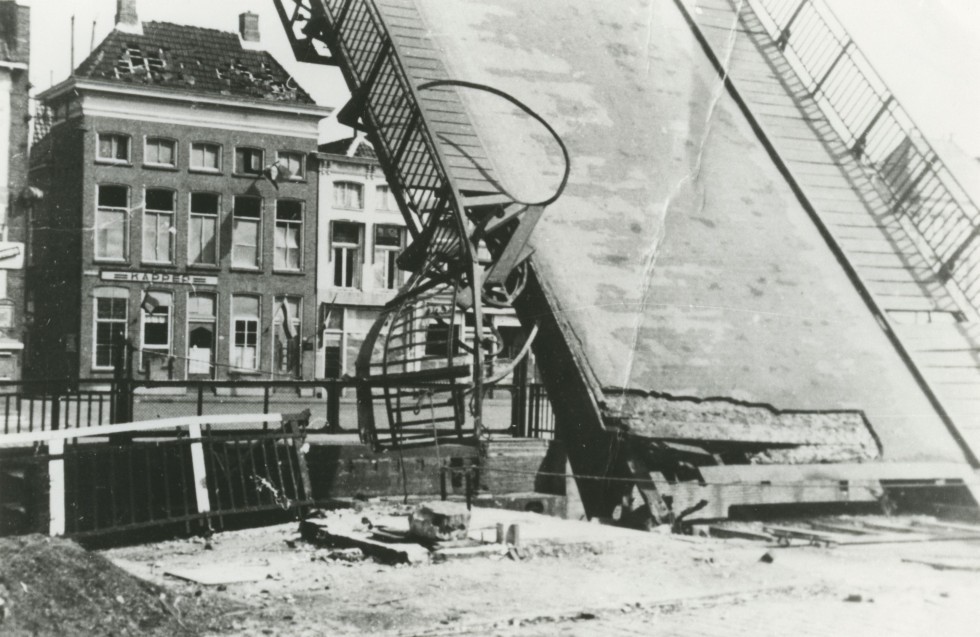
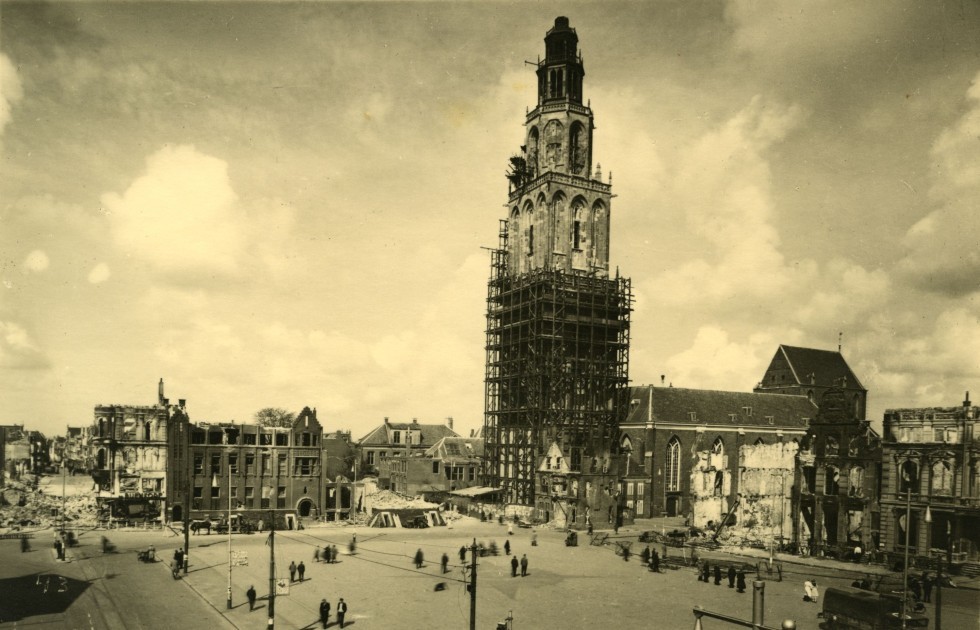
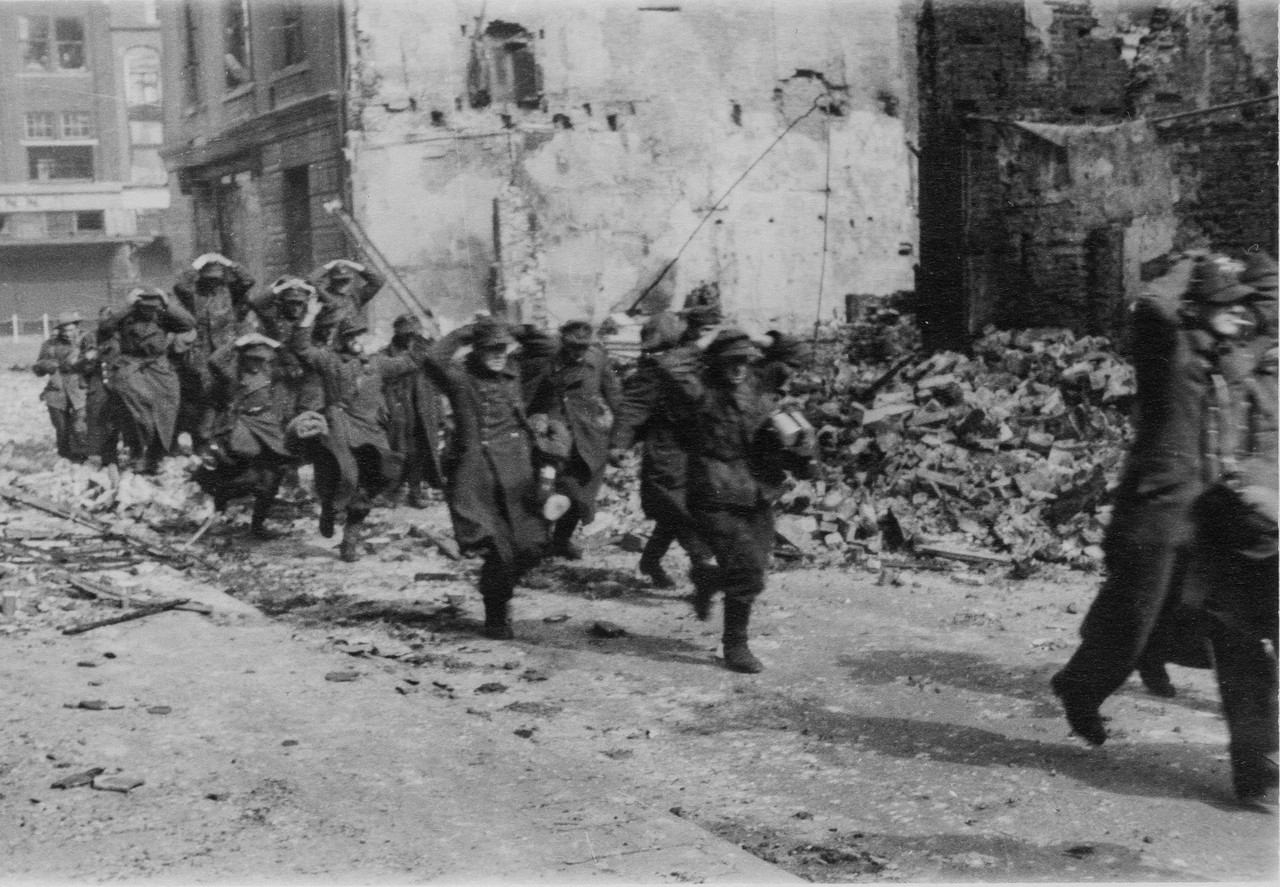
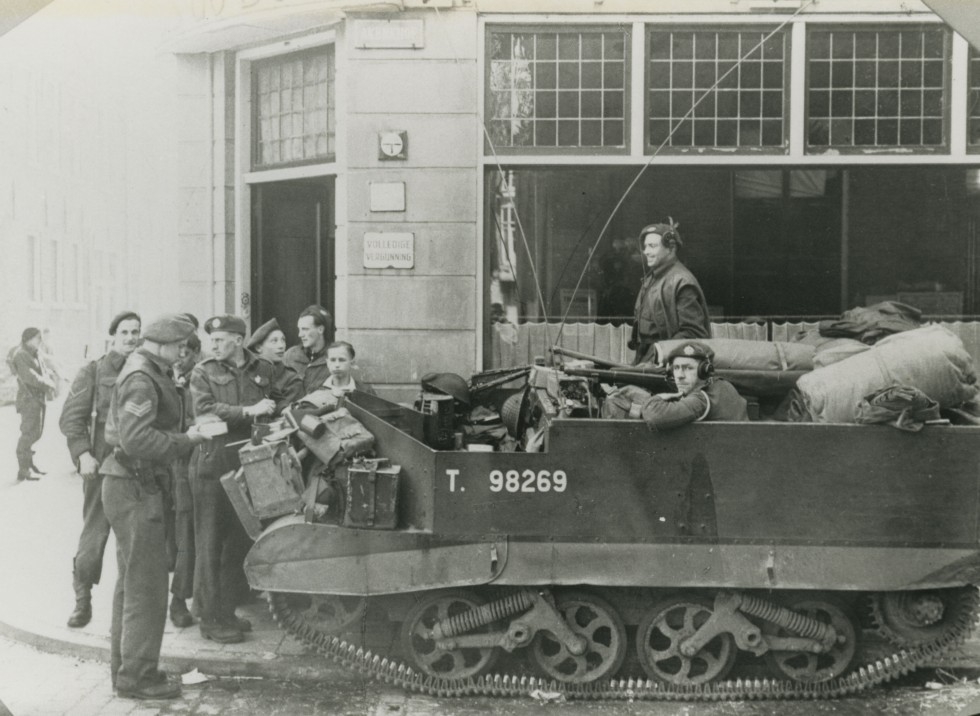
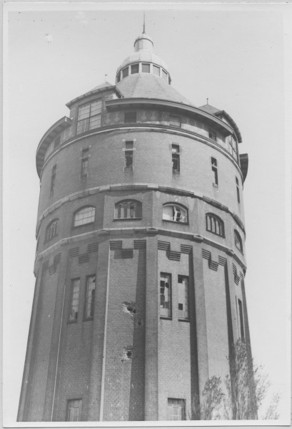
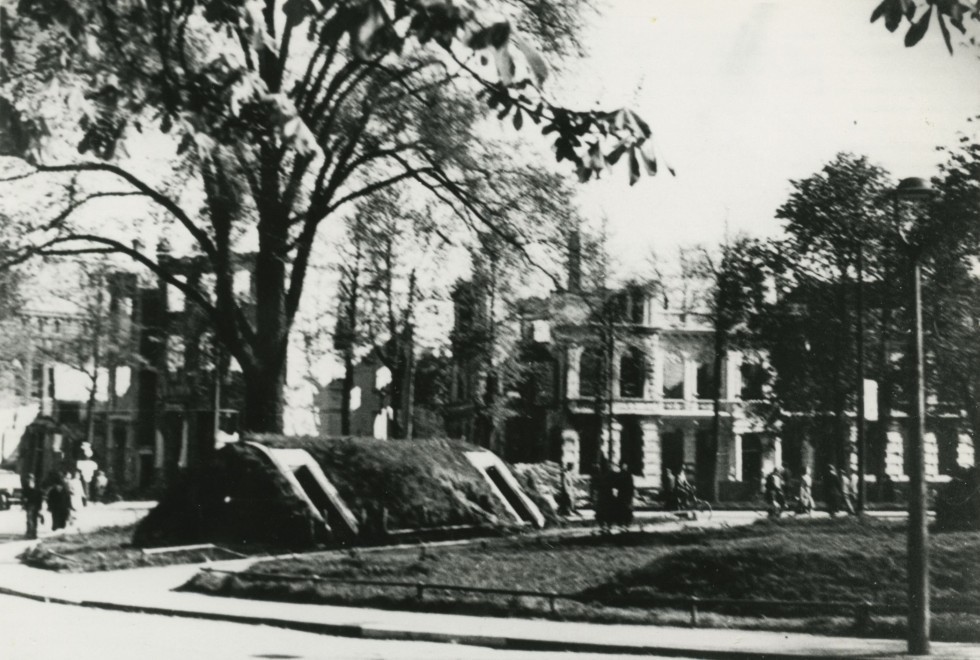
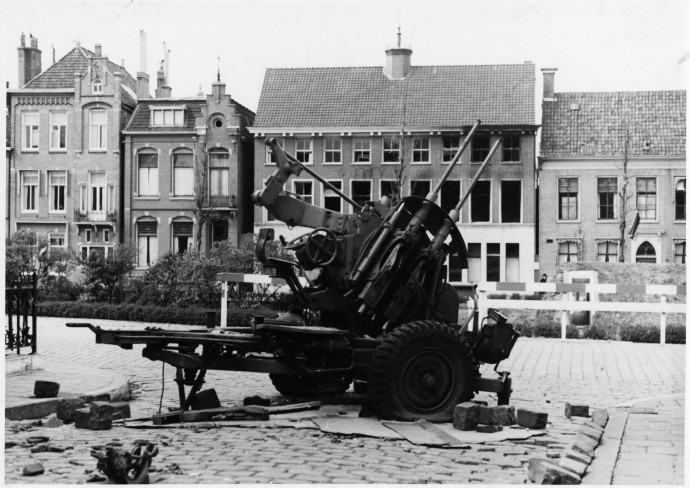
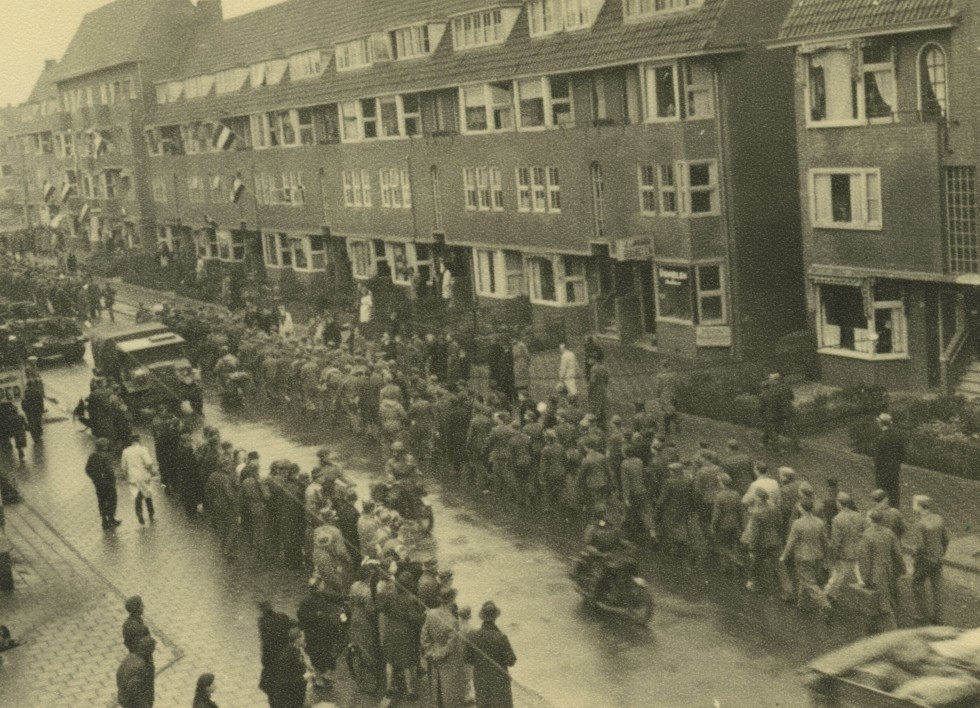
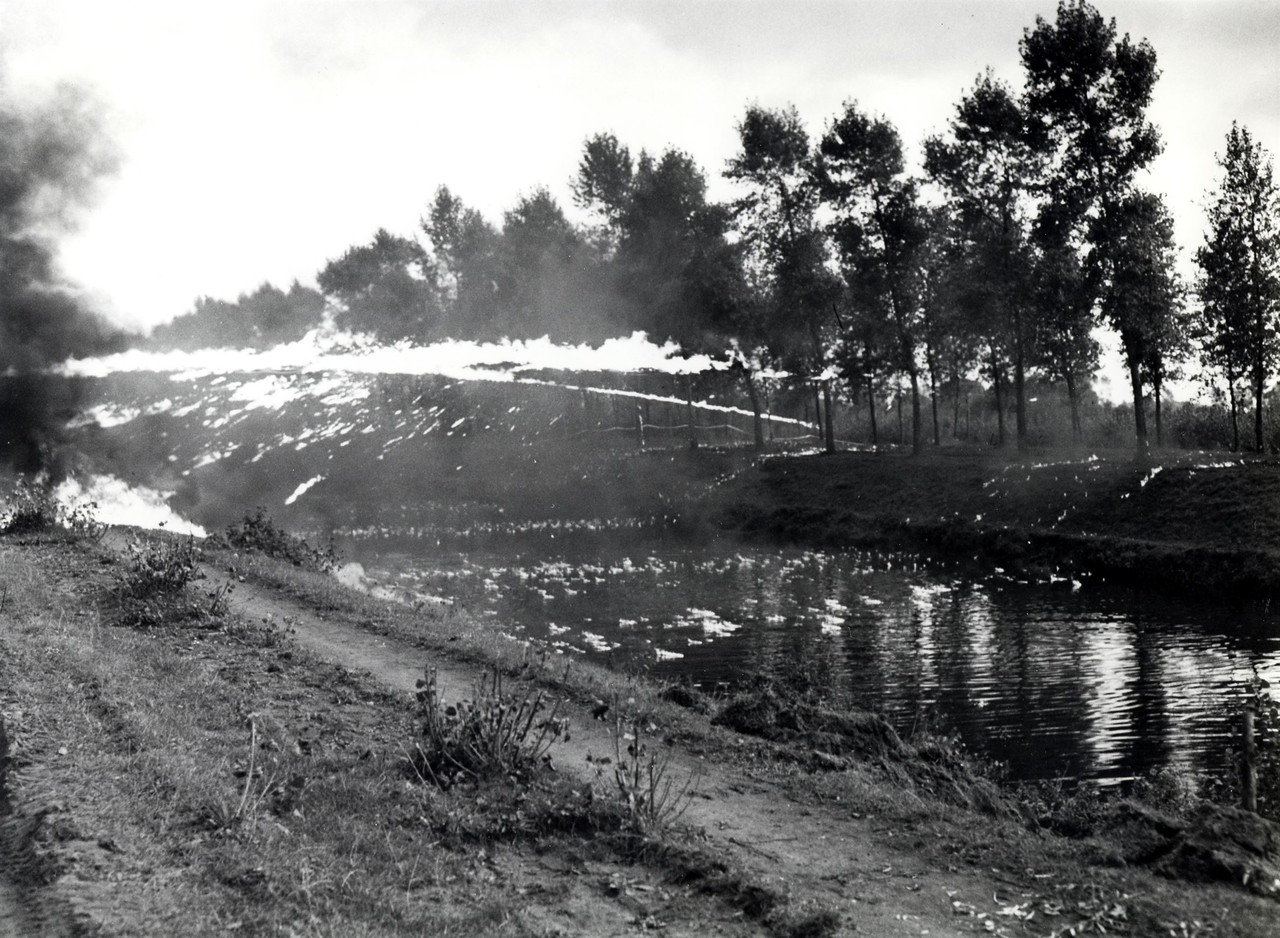
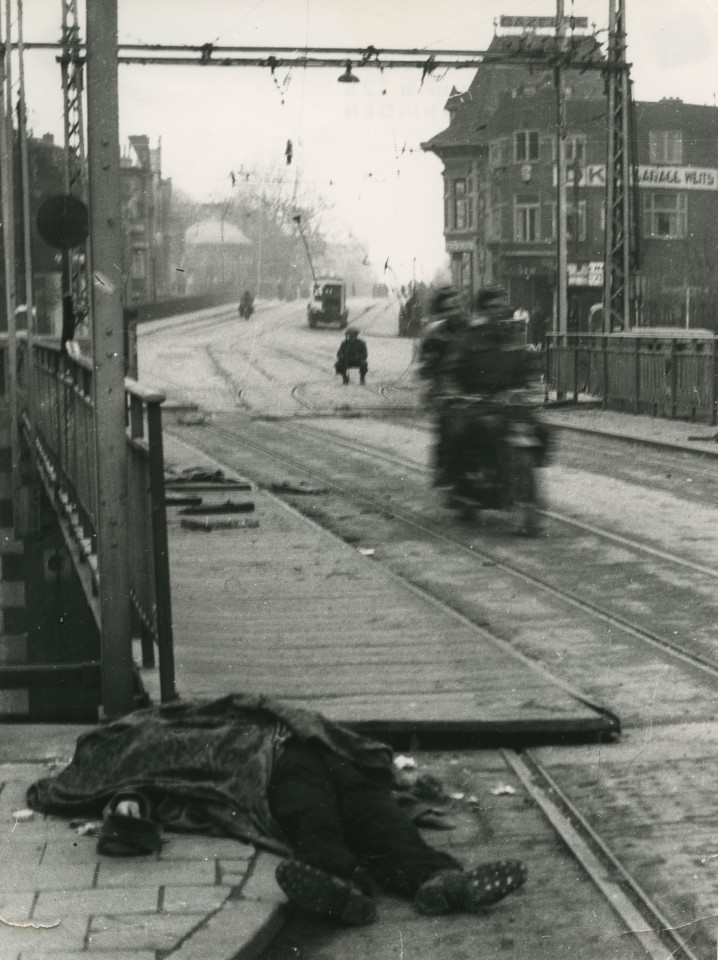
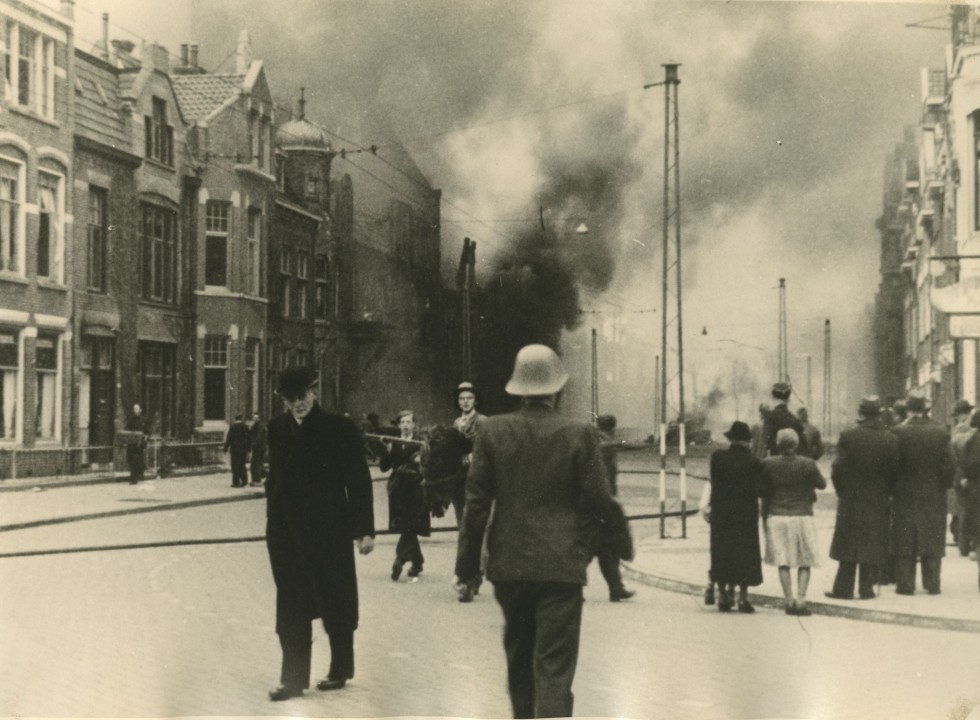
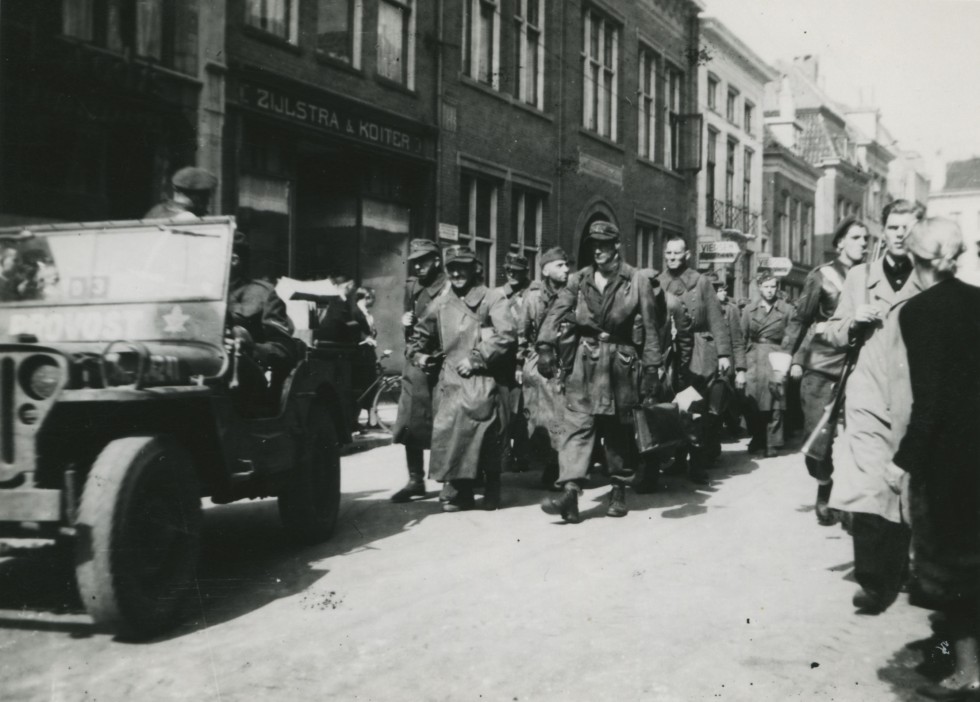
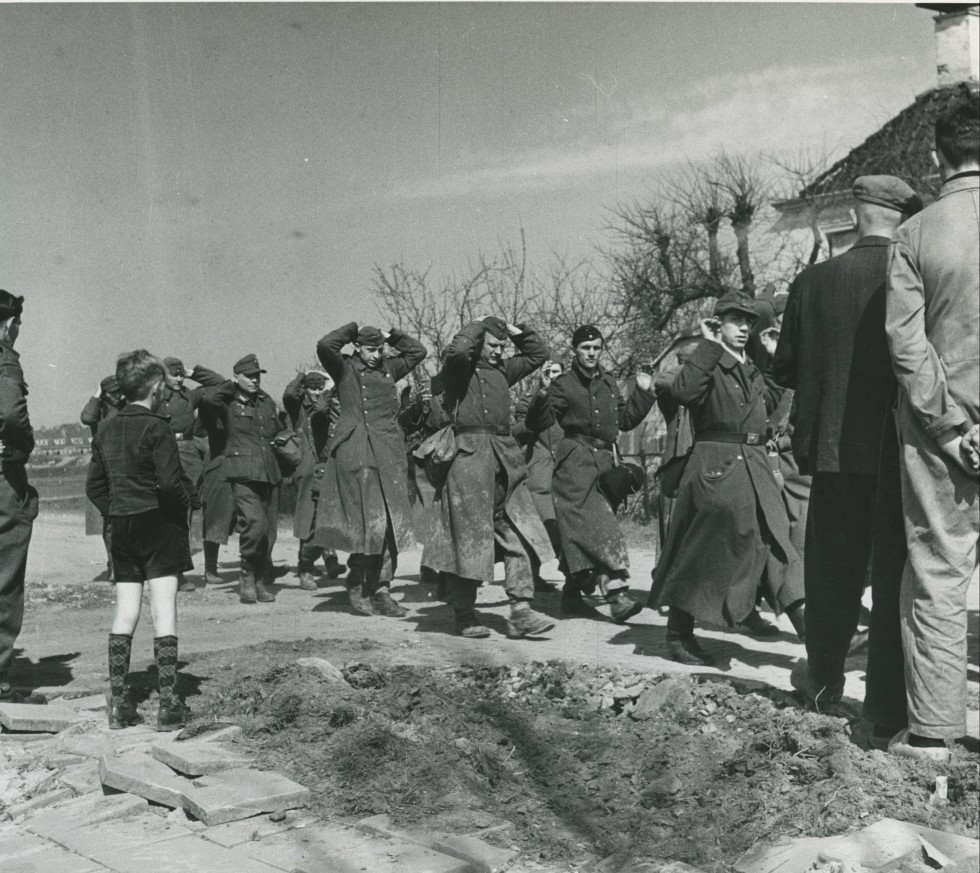
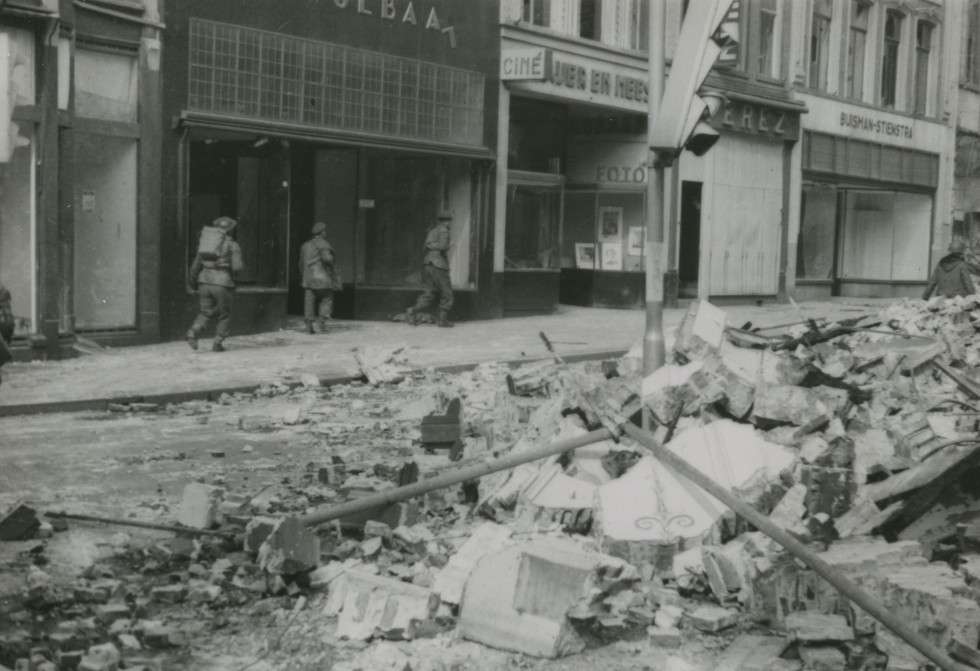
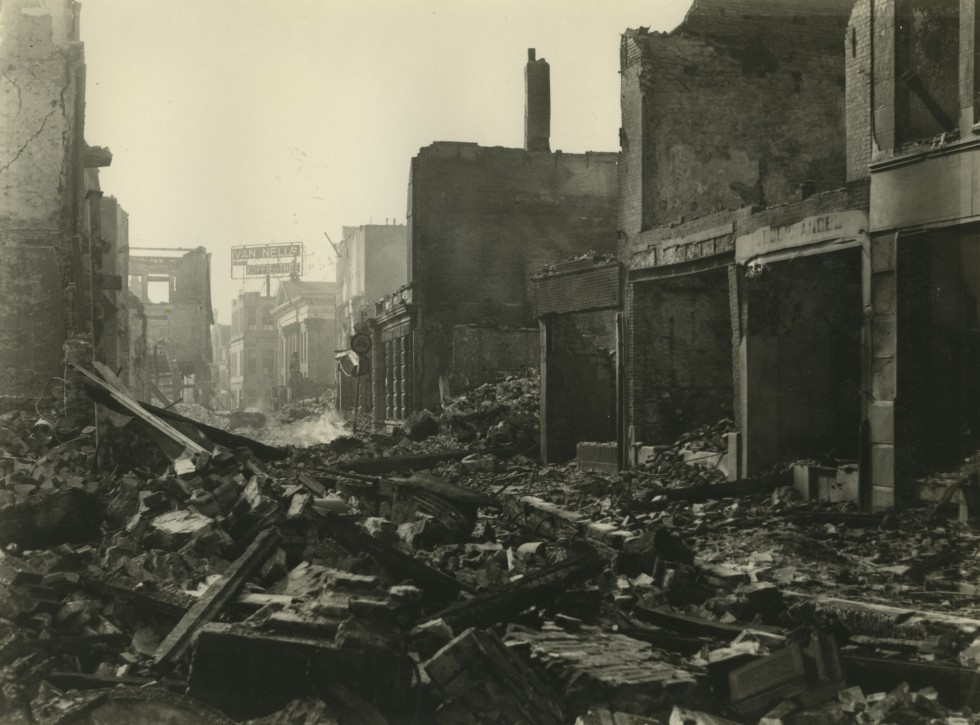
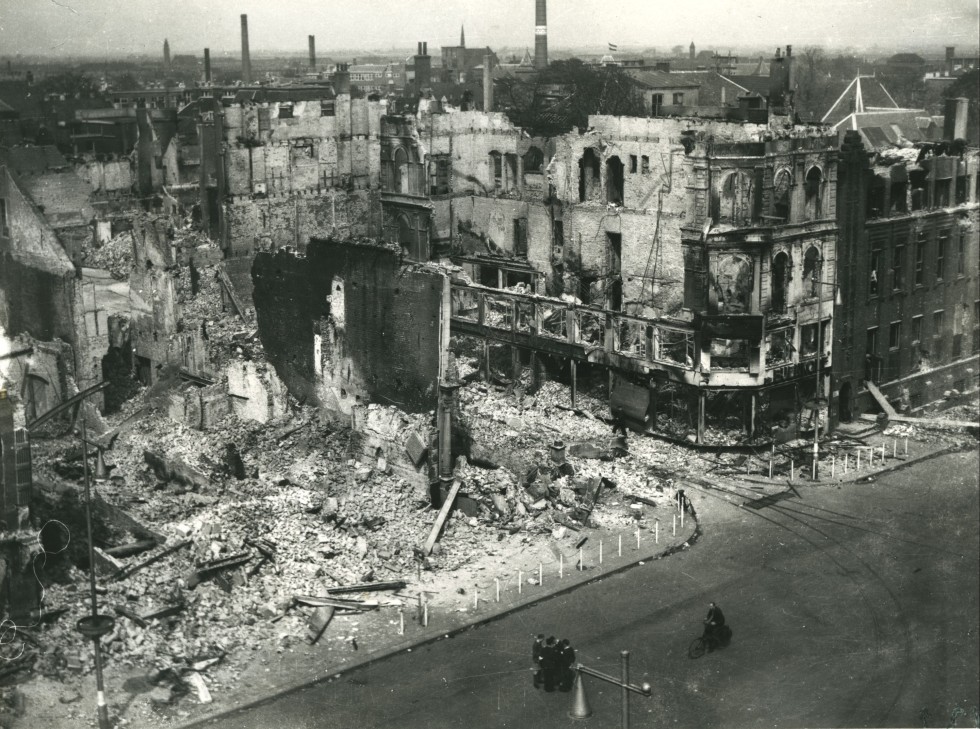
In April 1945, following the liberation of Drenthe, Canadian troops advanced into the northern province of Groningen, supported by French and Belgian paratroopers. German resistance proved stronger than expected, slowing the advance. As a result, the liberation of Groningen took more than two weeks, from 13 April to 1 May 1945, making it one of the final and most hard-fought chapters of the war in the Netherlands.
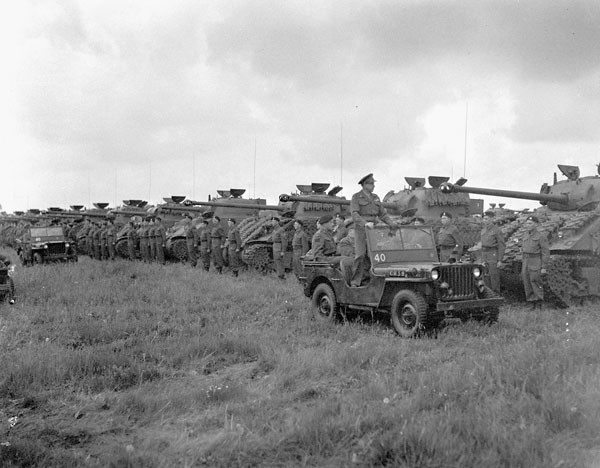
In April 1945, while the 3rd Division of the First Canadian Army moved to the NorthWest of the Netherlands, reaching Friesland, the 2nd Division went on to the NorthEast, aiming for Groningen.
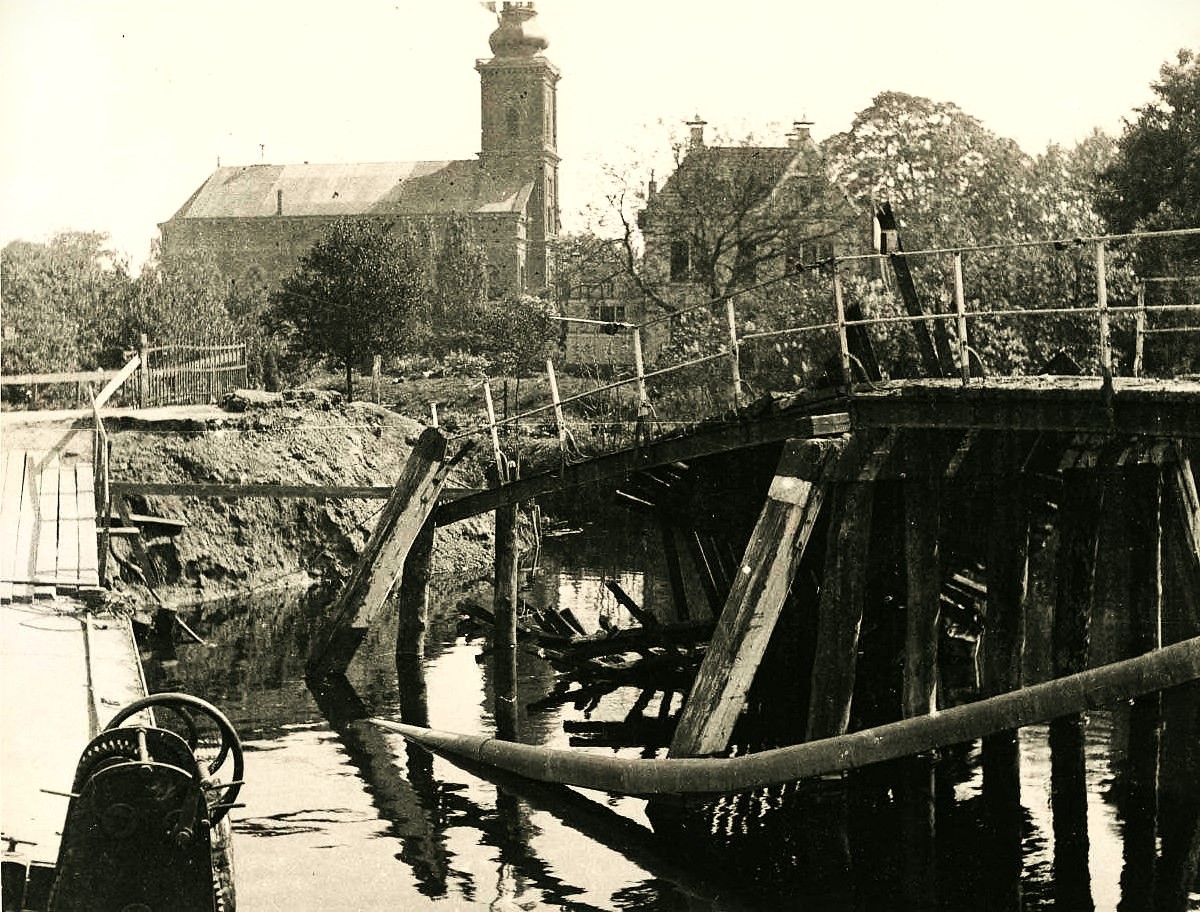
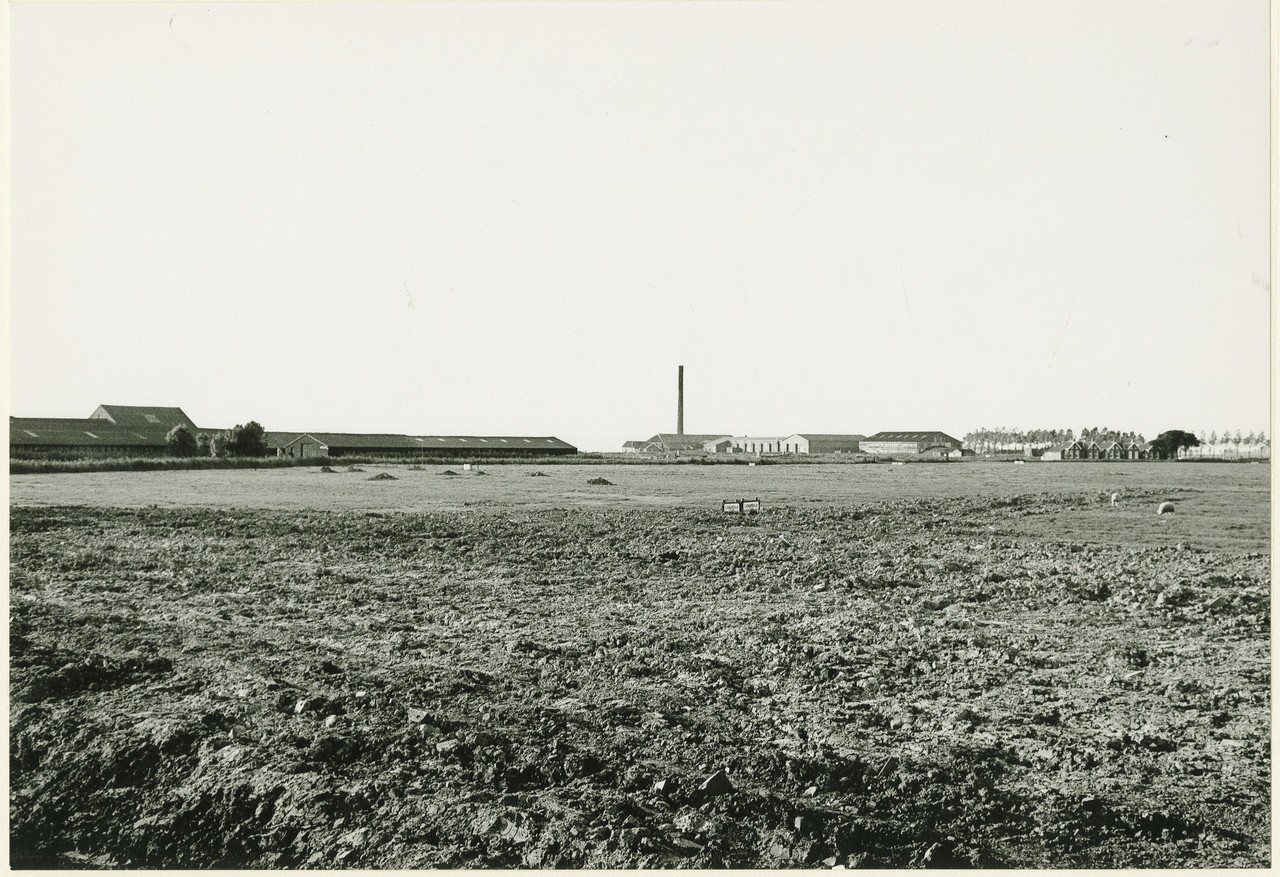
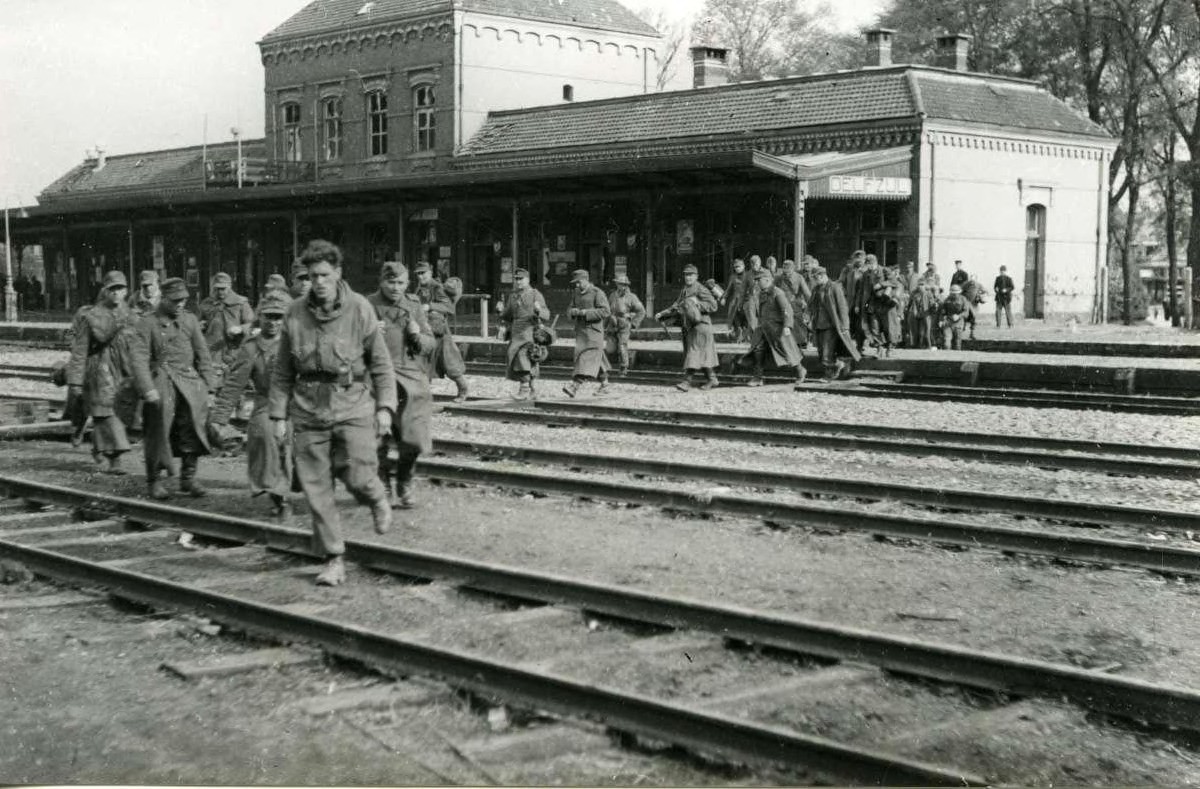
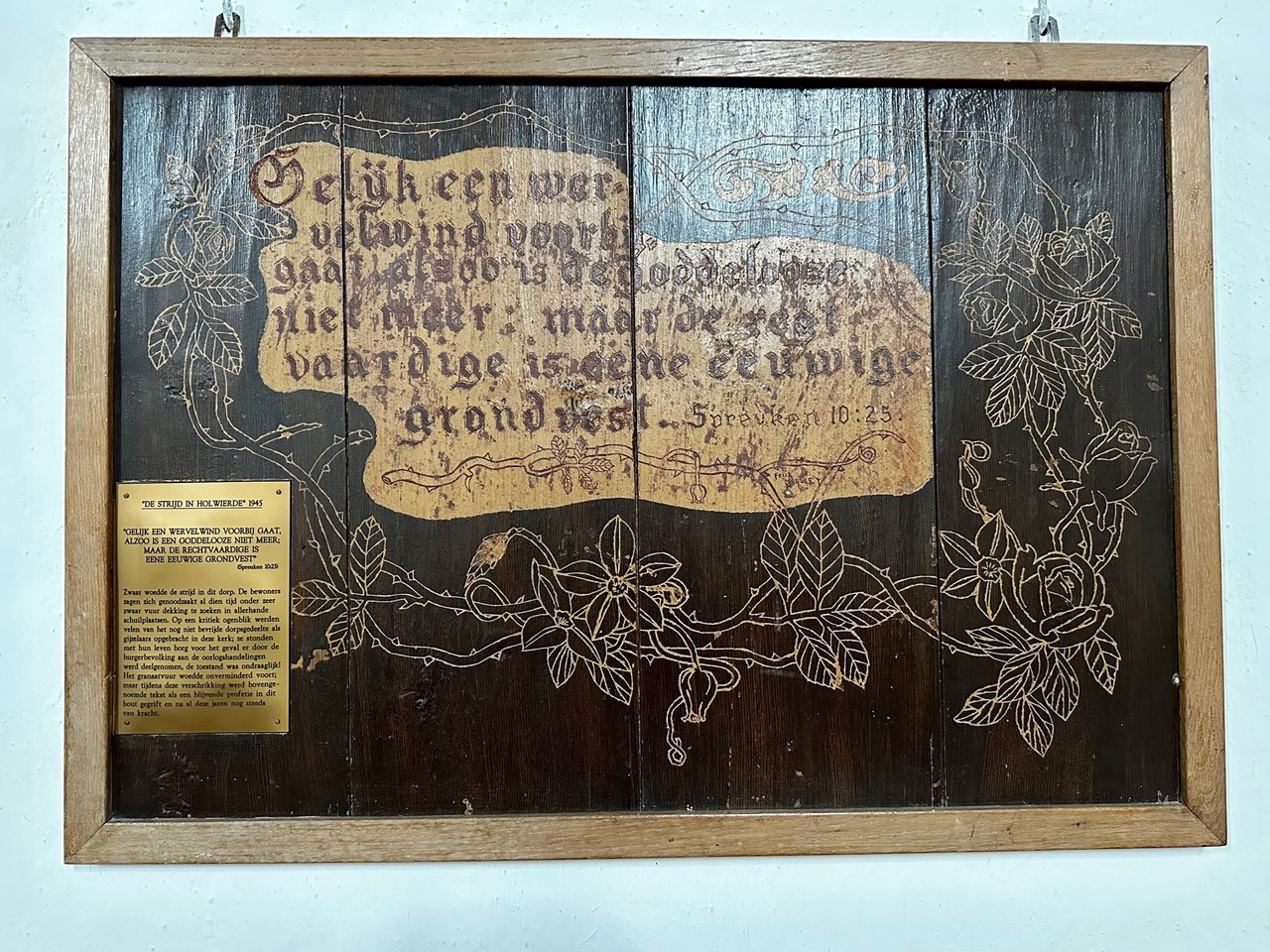
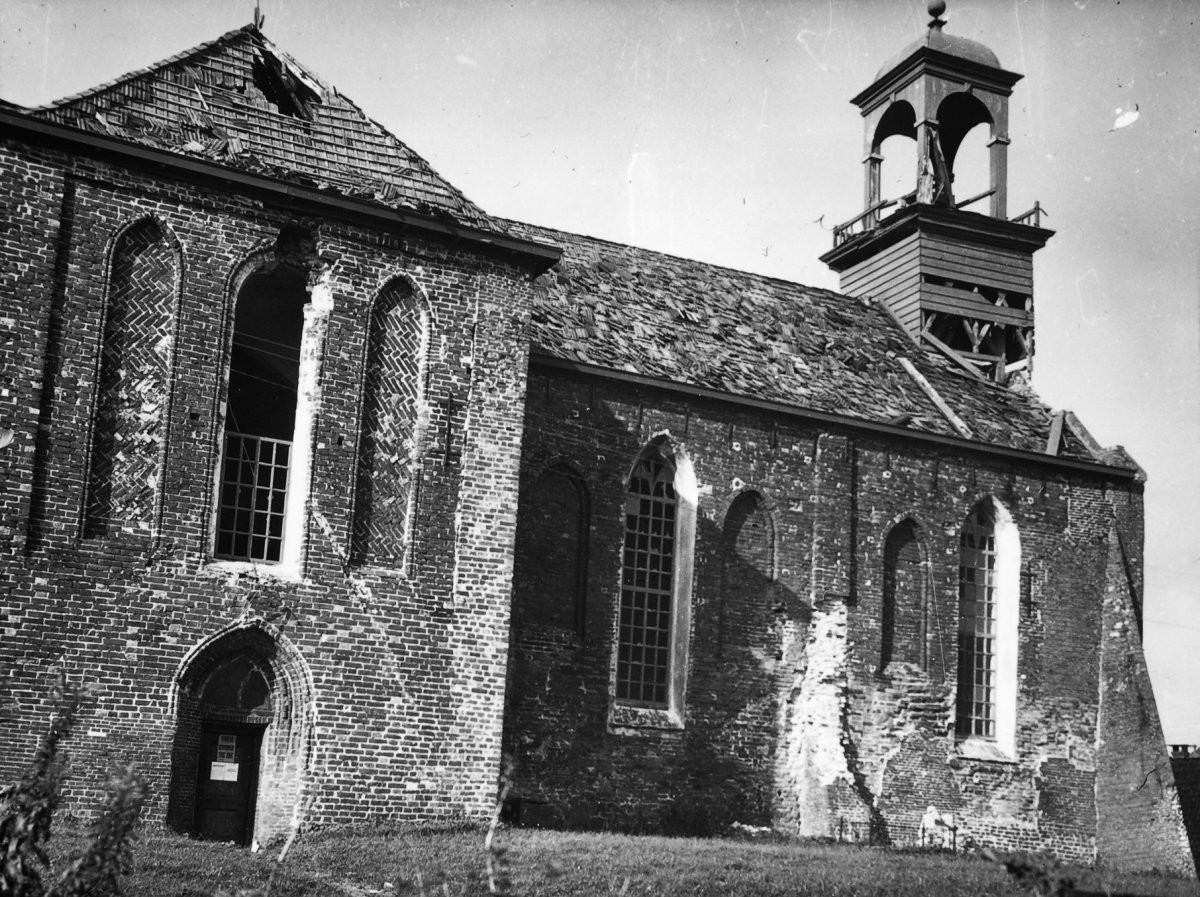
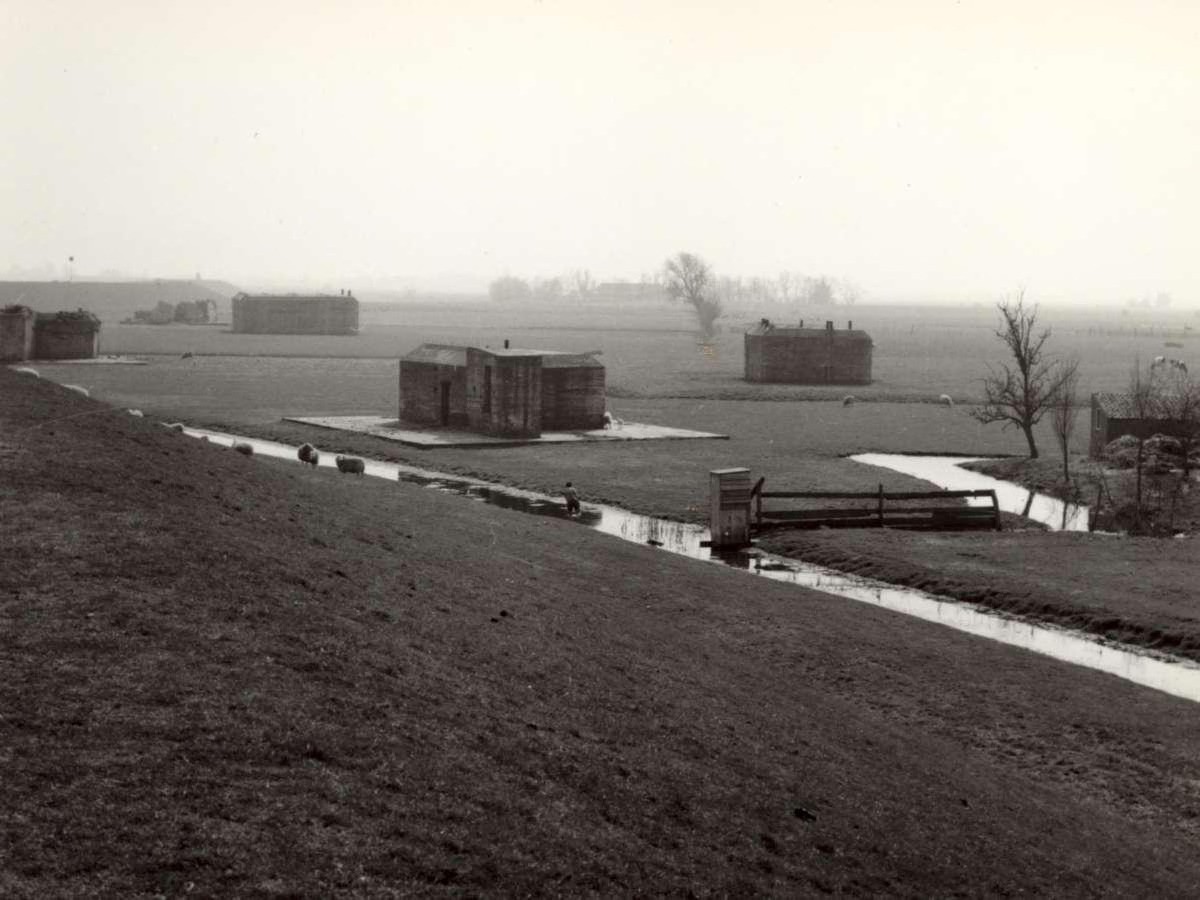
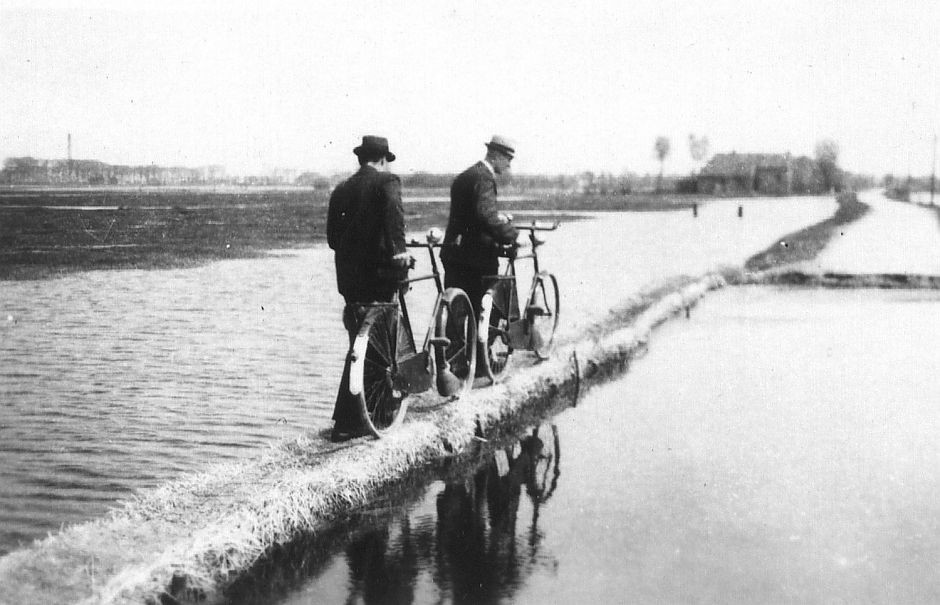
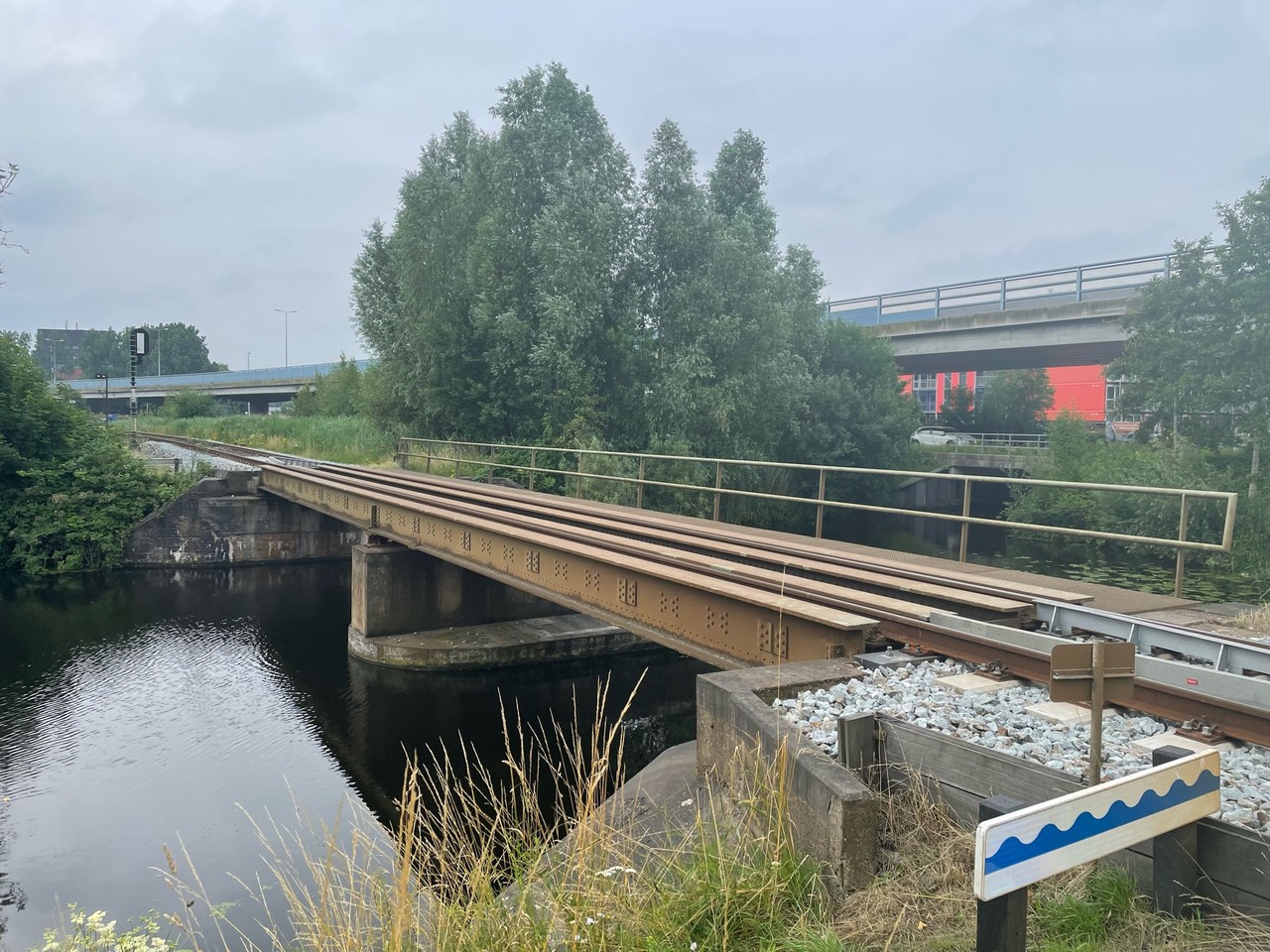
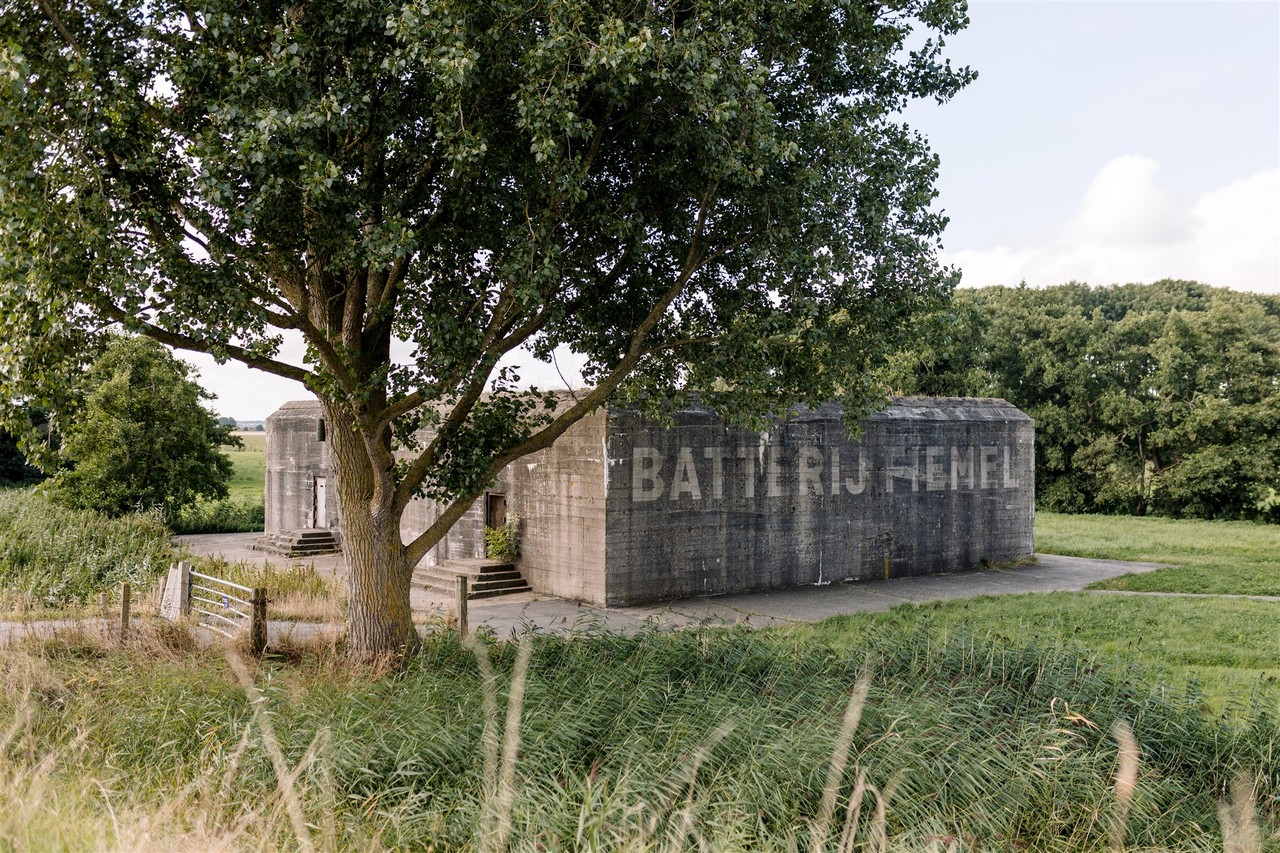
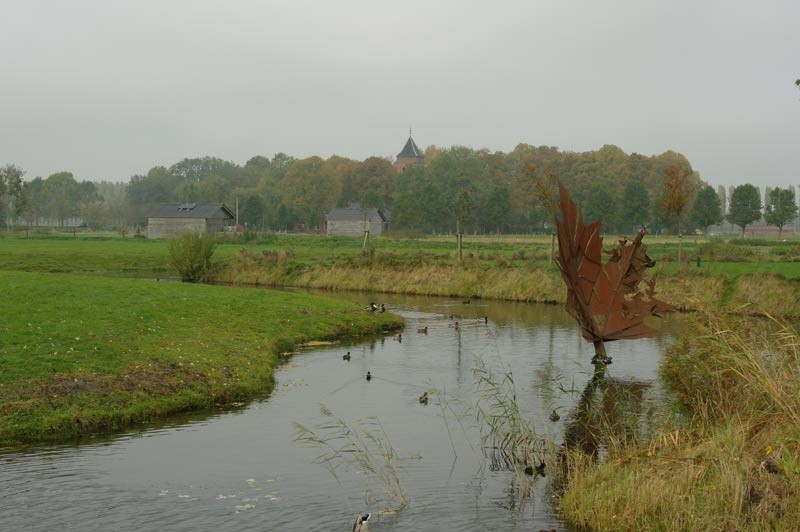
This route follows the advance from the Drenthe border to the last pocket of German resistance, the Delfzijl Pocket, located in the northeast of the province. On 13 April 1945, Canadian forces reached the city of Groningen, where a fierce three-day battle took place, before continuing into the coastal and rural areas of the province. These areas are characterised by wide polders, farms, dikes, and protected wetlands. Passing through places such as Winsum, Uithuizen, Holwierden, and Appingedam, the route ends in Delfzijl, facing the German city of Emden across the Ems.
Marking the final steps of the liberation of the Netherlands by the Canadian, hikers are invited to follow this route through the open northern landscape, connecting historic towns and coastal areas.