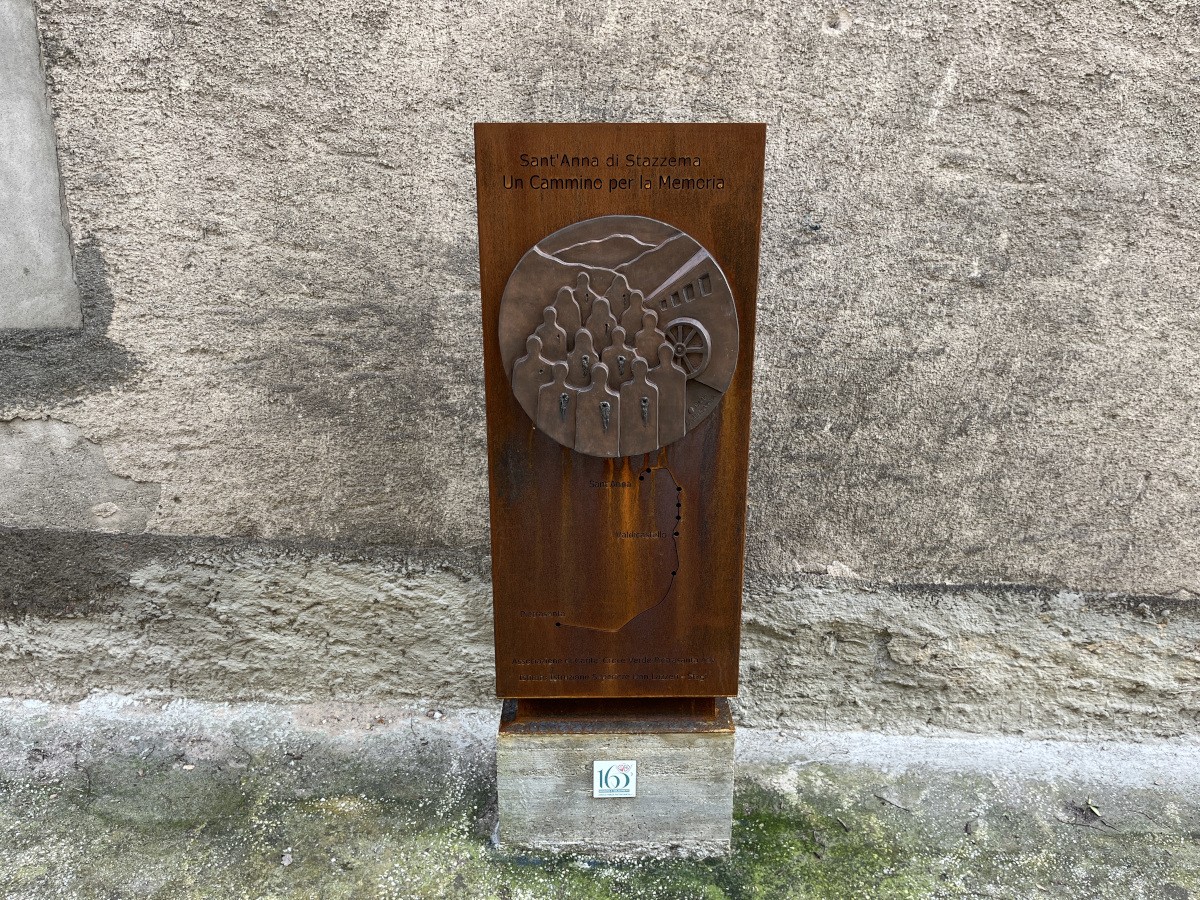
From the shore of the Ligurian Sea to the foothills of the Apuan Alps, a climb that introduces the ‘44 Trail, passes through the birthplace of Giosuè Carducci, and leads to the memorial sites of Sant’Anna di Stazzema.
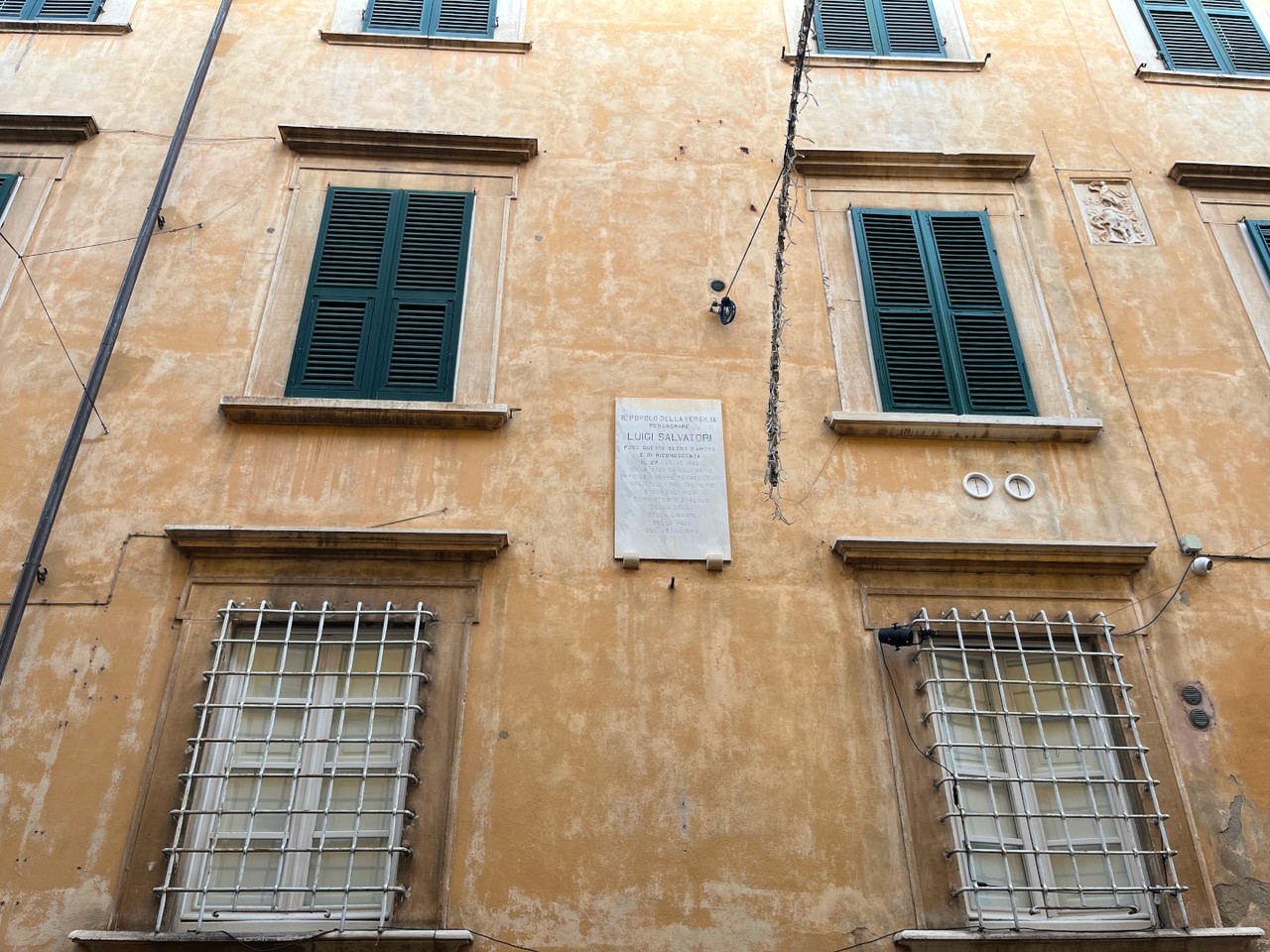
The route begins in Pietrasanta, an artistic and tourist town nestled between the sea of Versilia and the Apuan Alps, served by a railway station that provides a convenient starting point. The first steps of the journey follow an official stage of the Via Francigena, the section between Massa and Camaiore that still welcomes numerous pilgrims today. You walk through several town streets until, after leaving the urban area behind, you begin the climb leading to the Romanesque parish church of San Giovanni, an ancient place of worship surrounded by olive trees, and then continue on to Valdicastello Carducci.
This small village, already in existence in the 9th century, stretches along the Baccatoio stream and proudly bears the name of the poet Giosuè Carducci, winner of the Nobel Prize in Literature, who was born here in 1835 and whose birthplace can still be visited. After passing the parish church, the asphalt road gives way to trail 114, which climbs the valley from the upper part of Valdicastello along a mule track originally created to serve the ancient mines that shaped the economy of this region for centuries and whose traces can still be seen along the way.
As the ascent continues, the landscape gradually changes: within a short distance you pass through very different natural environments, from Mediterranean scrubland to oak and hornbeam forests, and finally to centuries-old chestnut groves that still dominate the mid-altitude slopes today.
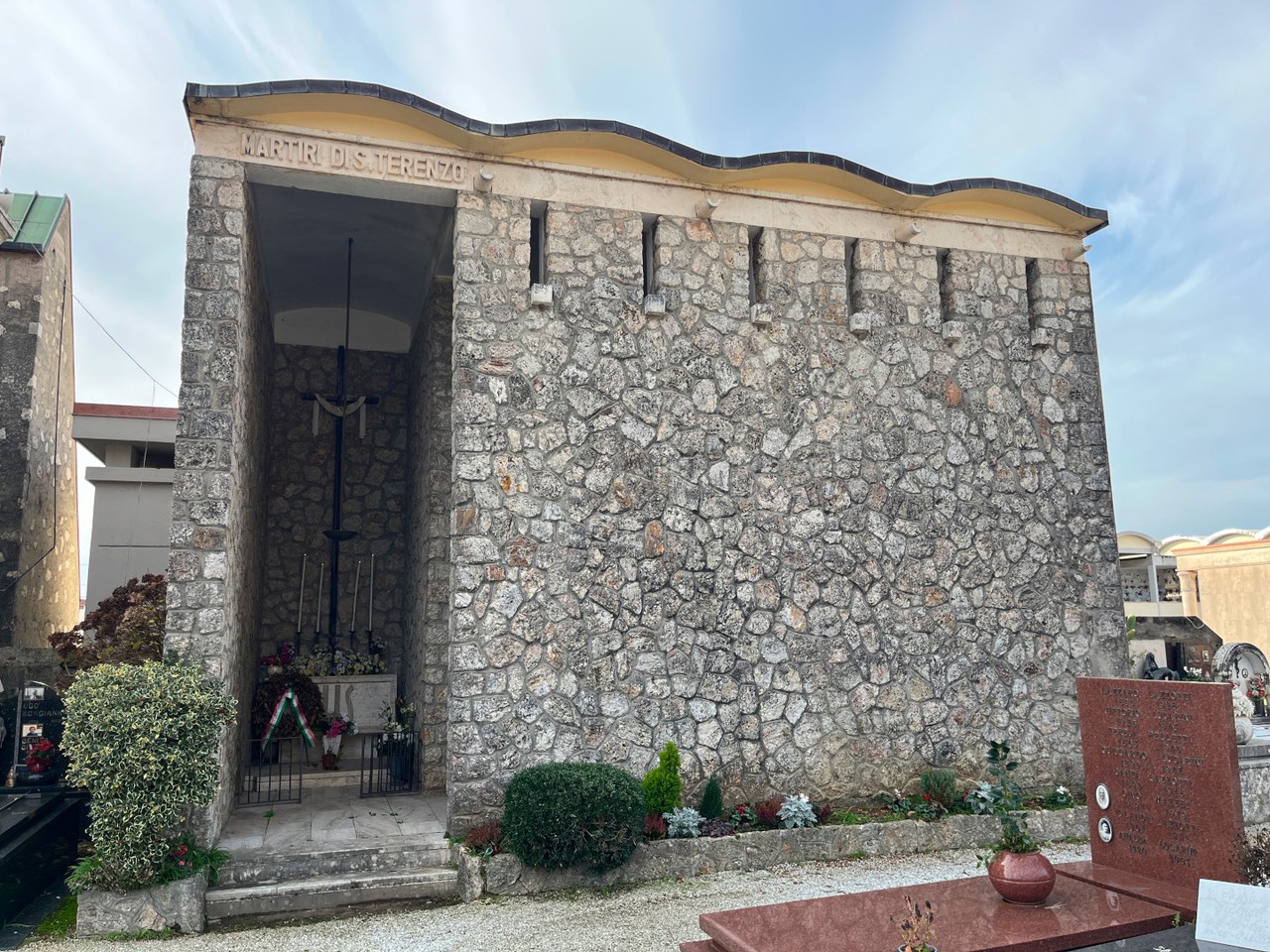
Higher up, the trail emerges near Sant’Anna di Stazzema at about 650 meters above sea level. The final destination of the stage is one of the symbolic places of modern Italian history: here, on August 12, 1944, the local population was overwhelmed by Nazi-fascist violence. The National Peace Park of Sant’Anna di Stazzema was established here with the aim of preserving the historical memory of what happened and educating future generations about the values of peace, cooperation, and respect among peoples.
A visit to the Historical Museum of the Resistance of Sant’Anna di Stazzema and the Ossuary Monument is unmissable, the latter located slightly higher up and reachable via the Path of Peace. These are places steeped in reflective silence, balancing remembrance with the majesty of natural panoramas where sea and mountains meet in a single breathtaking view.