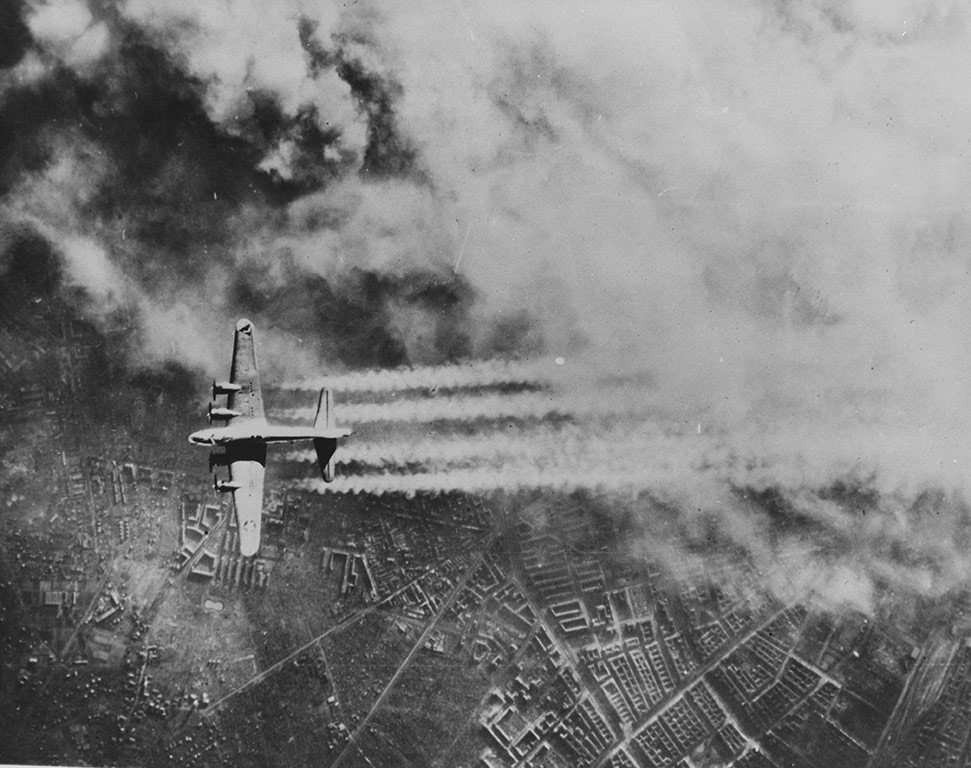
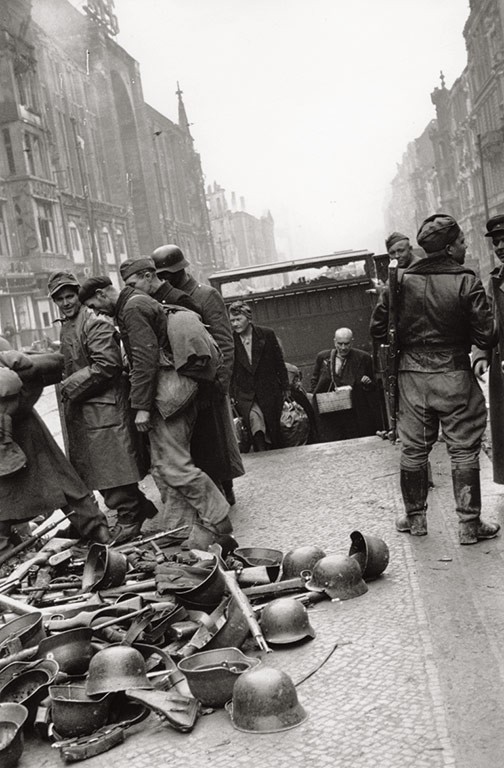
Berlin, the former capital of Nazi Germany, remains a city deeply marked by the events of World War Two. Its streets, monuments, and buildings bear witness to a tumultuous past, offering cyclists an opportunity to explore history. Follow the course of the Spree river and the Landwehrkanal and discover key sites that shaped Berlin’s wartime experience, from the beginnings of the Third Reich to the final Battle of Berlin in April and early May 1945.
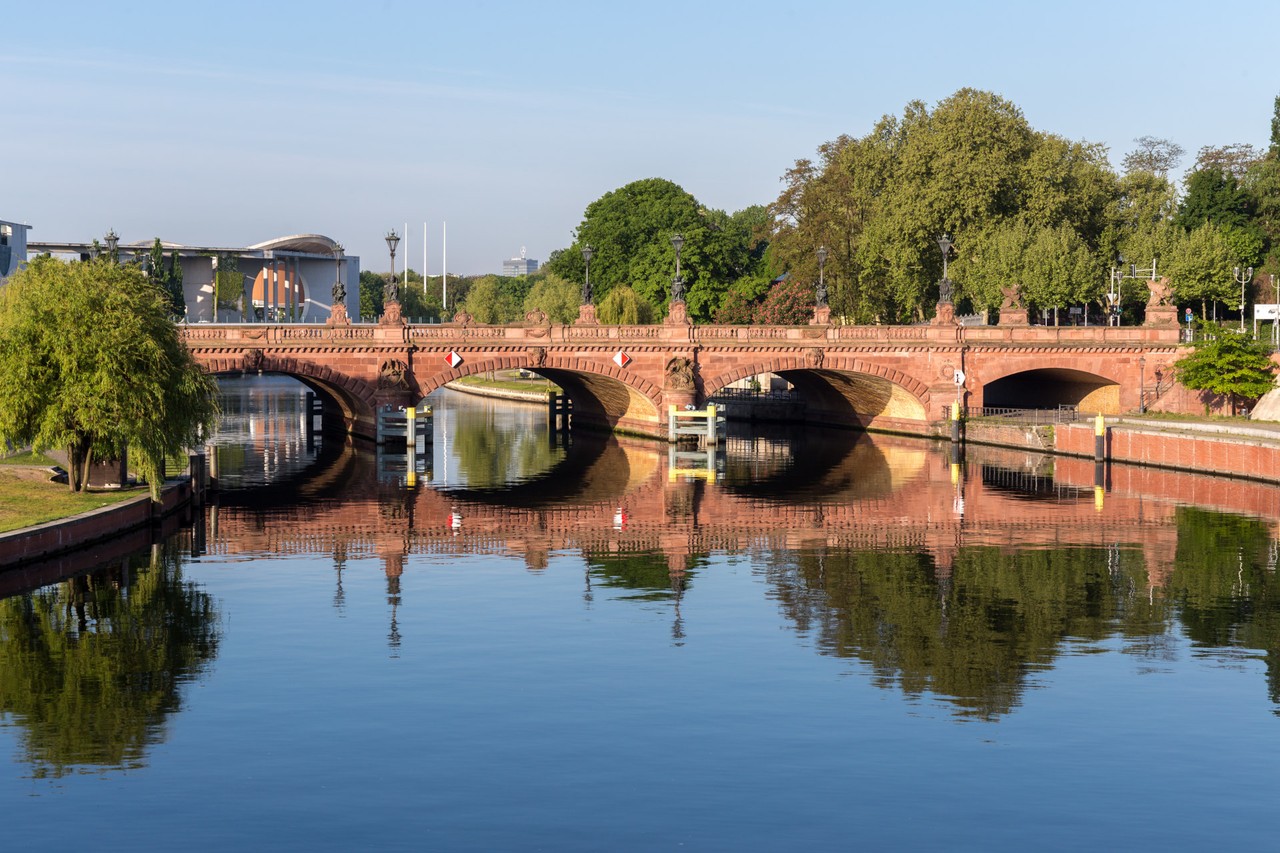
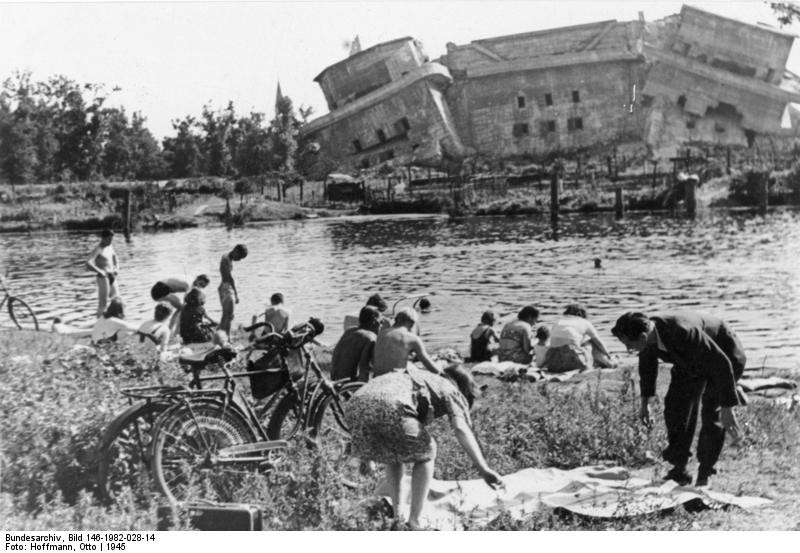
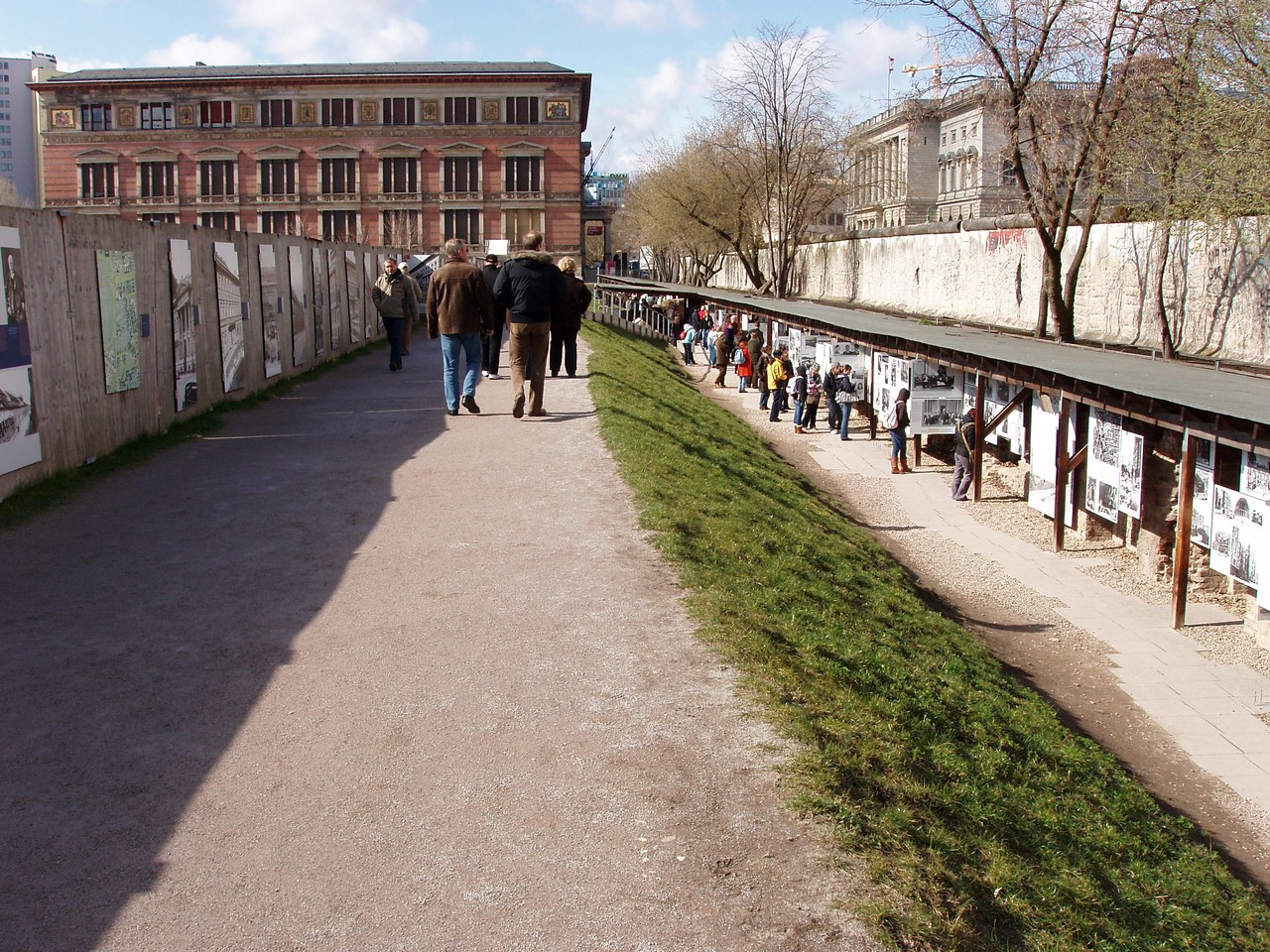
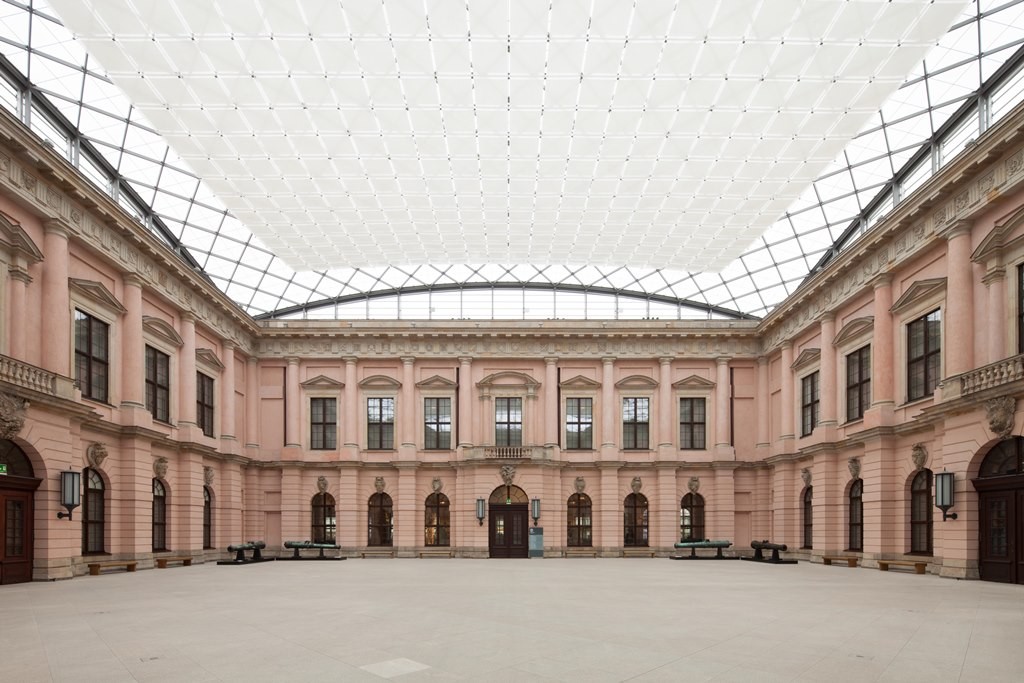
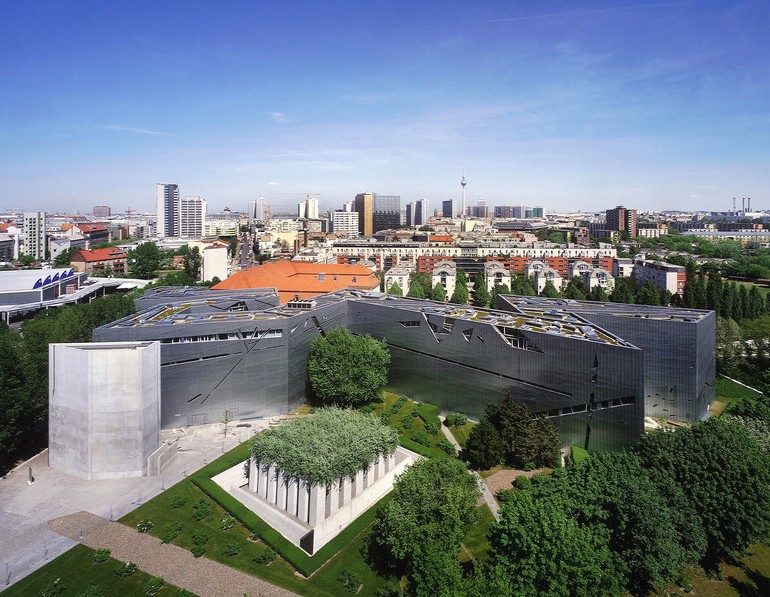
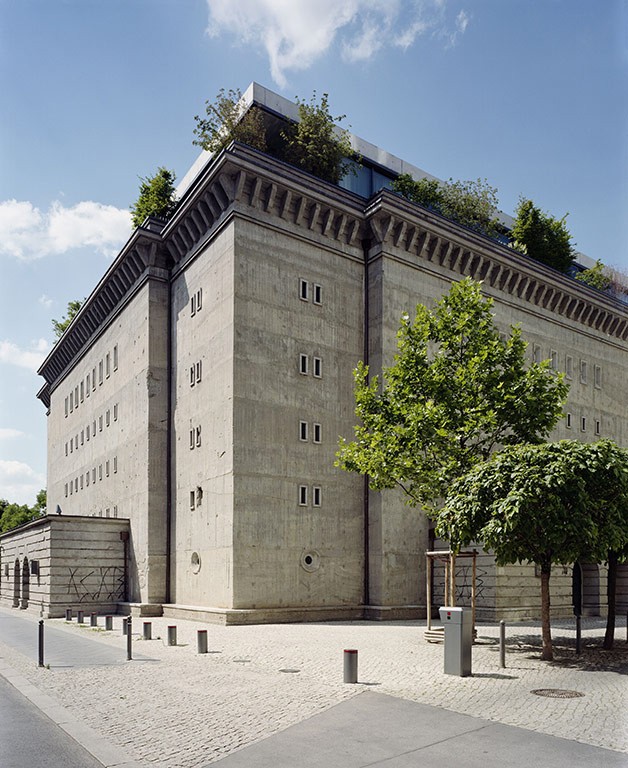
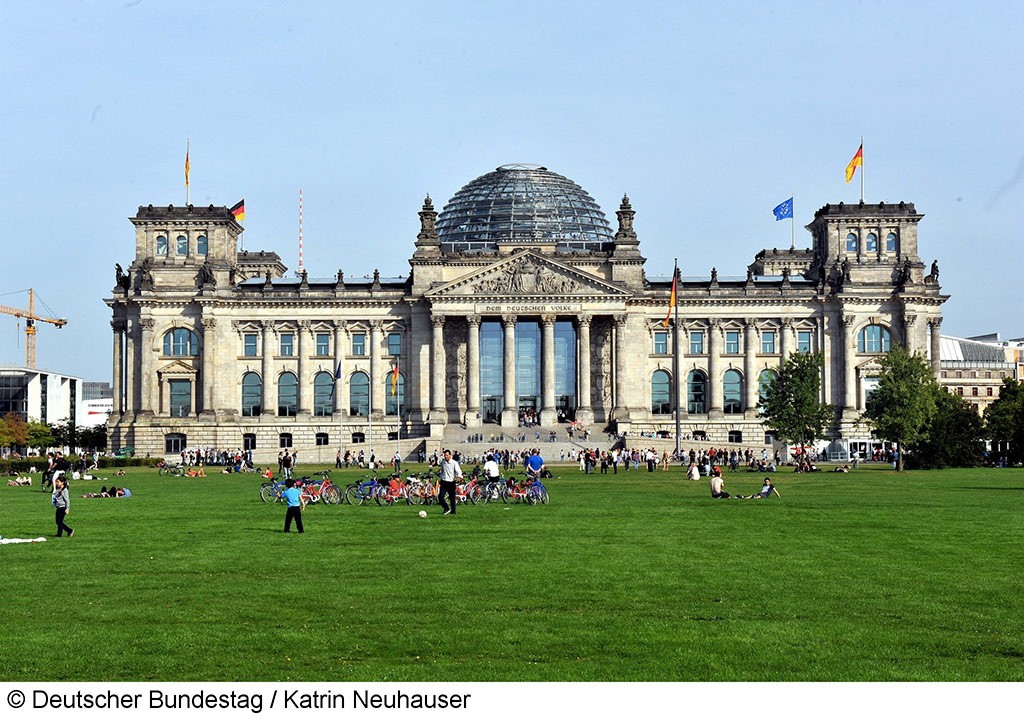
This route symbolically starts at the Reichstag building, the seat of the German parliament, where the Soviet flag was raised in 1945, marking the end of the war in Europe, and then crosses the Spree river where you will discover Moltke Bridge, Weidendammer Bridge and the Bunker of Berlin, telling the reality of civilian war experiences. The route also takes you to the Museum of German History and the Jewish Museum near the Memorial to the Murdered Jews of Europe, a powerful field of stelae inviting reflection on the Holocaust. Nearby, the Topography of Terror stands on the site of the former Gestapo and SS headquarters, offering a insight into the Nazi regime’s machinery of oppression.
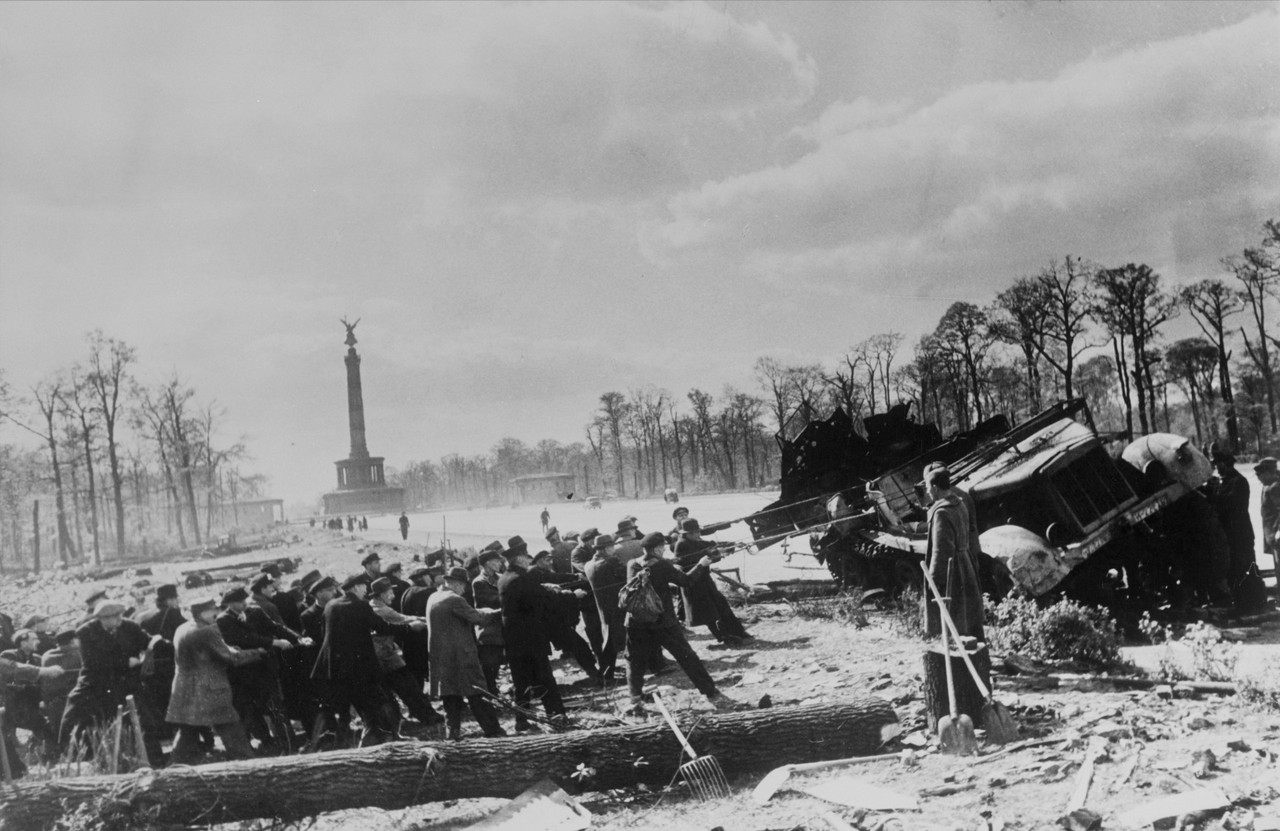
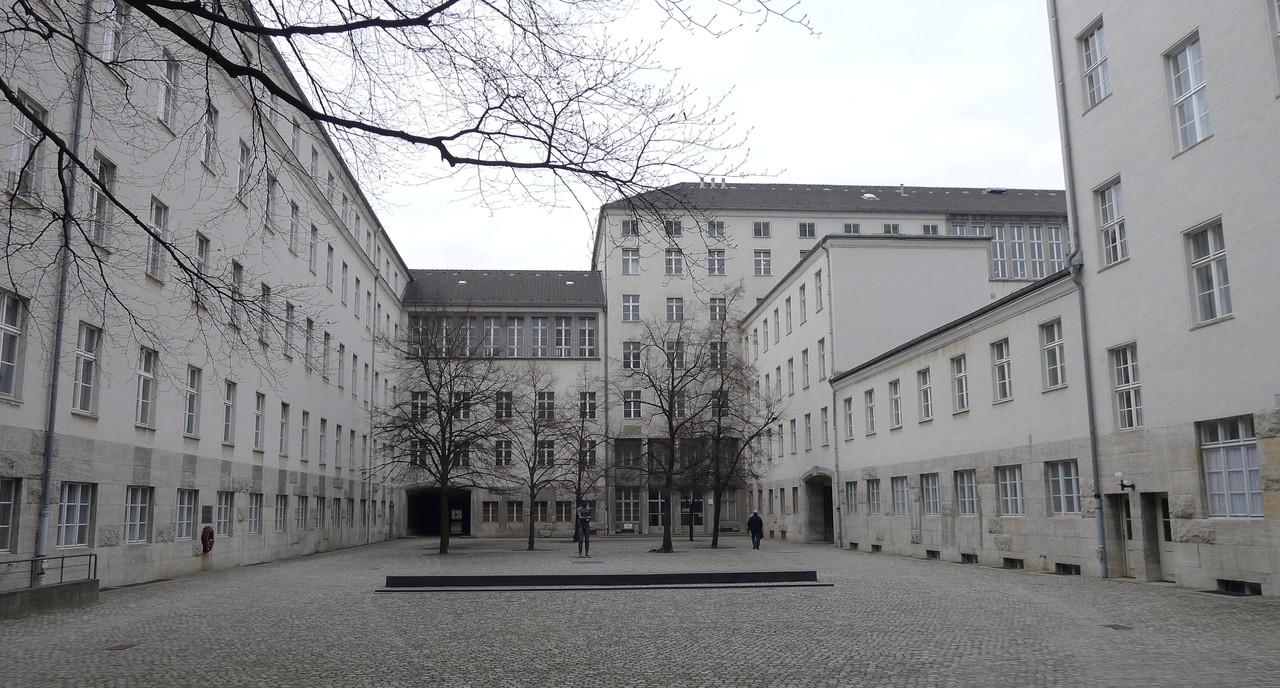
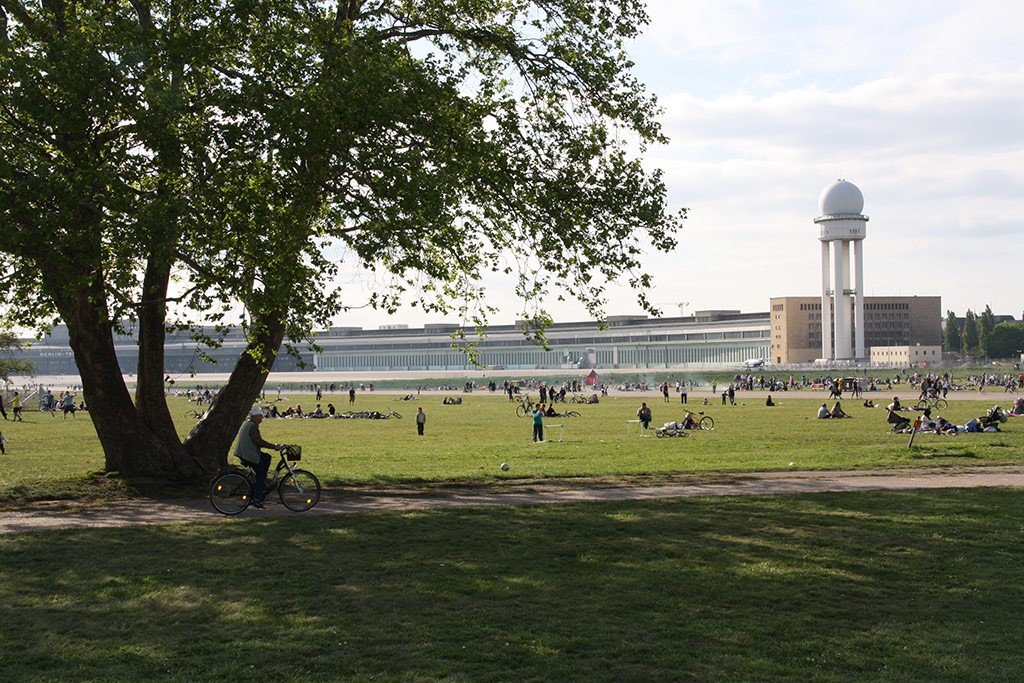
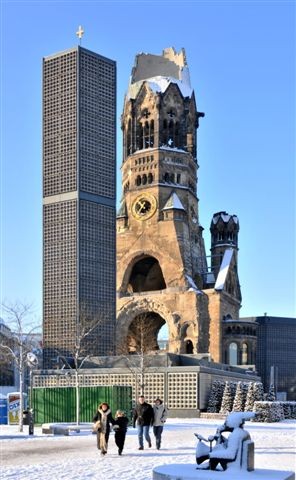
Continue to the Tempelhof Airport, once a Nazi architectural piece and later the lifeline of the Berlin Airlift carried out by the Western Allies during the Soviet blockade of East Berlin. Following the Landwehrkanal, you will discover the German Resistance Memorial Center and enter Charlottenburg neighbourhood where the ruin of Kaiser Whilhelm Church stands as a powerful marker of the war and memorial today. Finish your cycling tour at Tiergarten to discover a series of wartime landmarks.
Hop on your bike for a 23 km tour that takes around 2 to 3 hours and discover the streets and monuments telling the poignant story of Berlin during the Second World War. By bike, you will have the freedom to stop, observe your surroundings, and soak up the unique atmosphere of the city and its rich history.
Address
Platz der Republik 1, 11011 Berlin, Germany