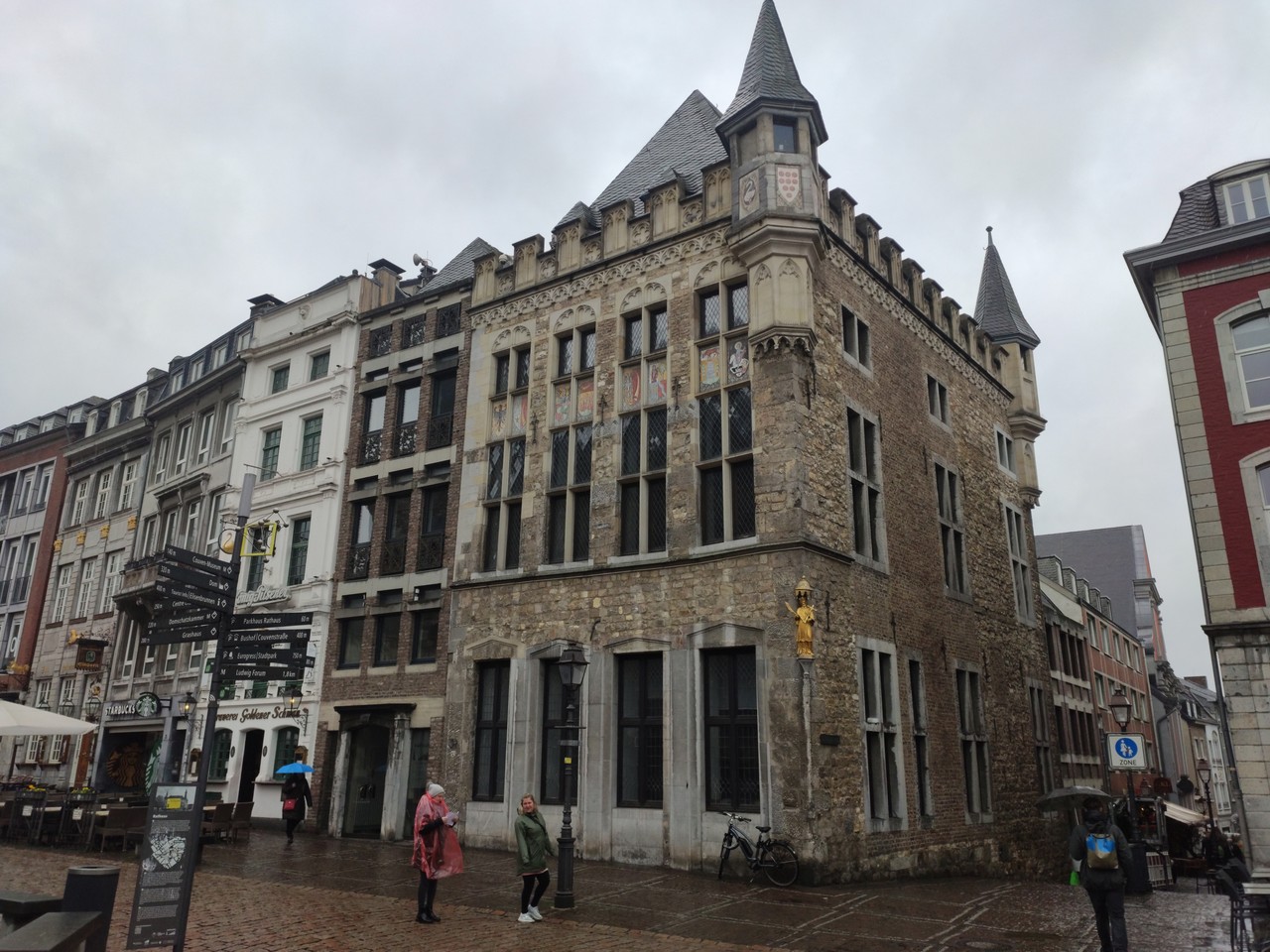
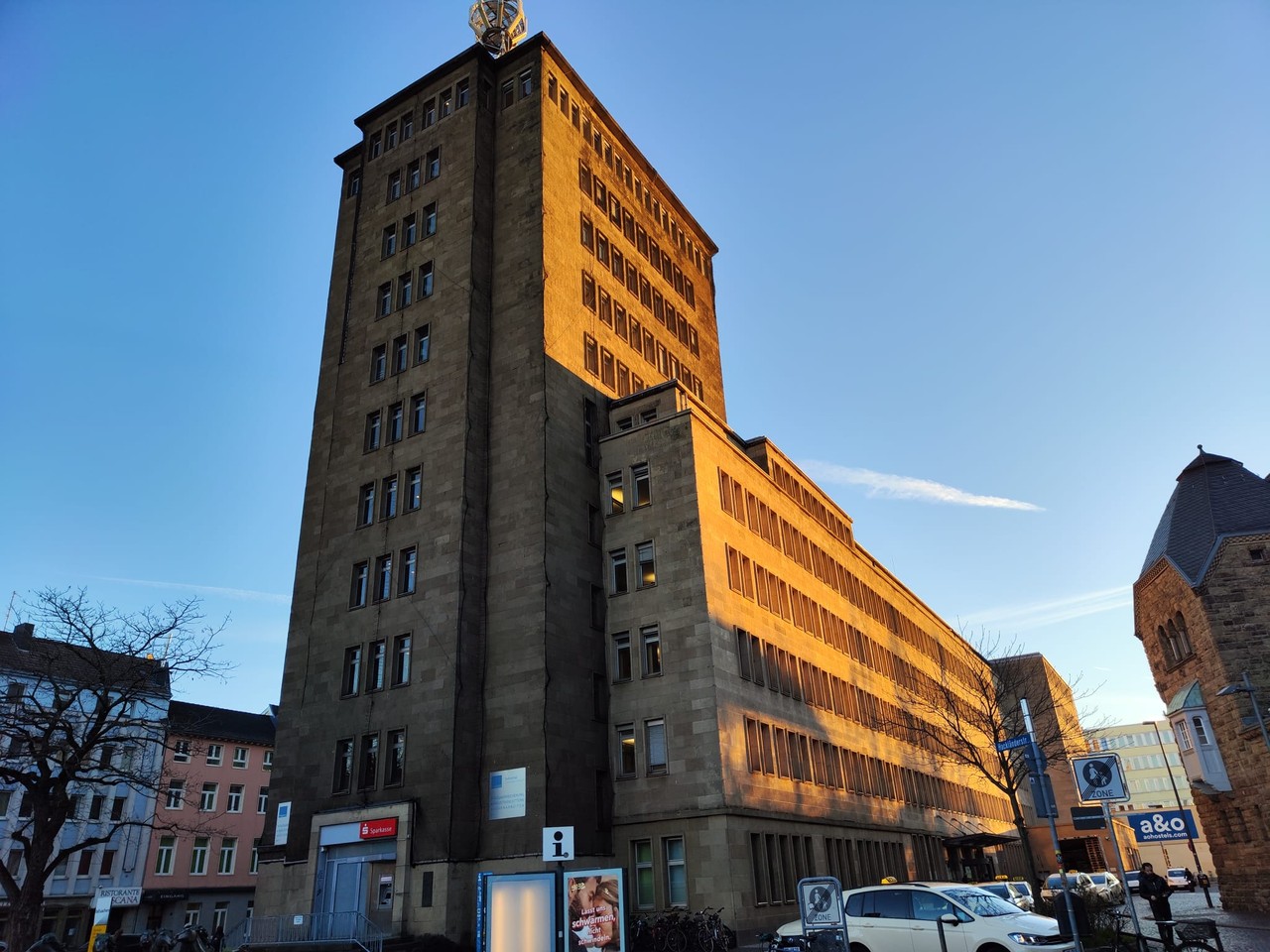
The liberation of Aachen in the autumn of 1944 marked the start of the Allied advance into German territory. This walking route through the city centre traces the history of the liberation, the traces of the fighting that are still visible today, and the first steps towards building freedom and democracy, even though the war against Nazi Germany was still to last another six months.
Aachen was the first major German city to be captured by Western Allied forces and was of both strategic and symbolic importance. Following the Allies’ successful landing in Normandy in June 1944, they advanced rapidly through France and Belgium.
In September, US troops reached the German border near Aachen. The city was part of the so-called Westwall (usually referred to in English as the ‘Siegfried Line’), a massive defence system comprising bunkers, tank barriers and minefields designed to protect the Rhineland. In early October, the Battle of Aachen began, which developed into one of the fiercest street-to-street battles of the entire Western Campaign.
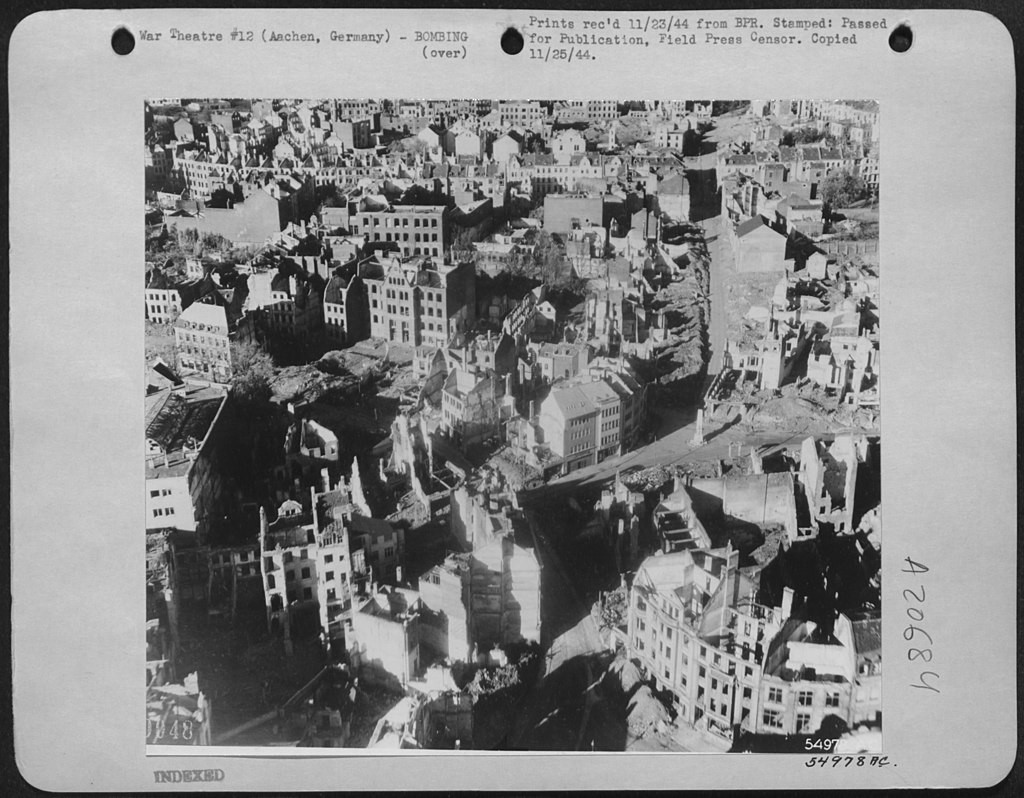
The 1st US Infantry Division (‘Big Red One’) and the 30th US Infantry Division launched their attack on 2 October 1944. The German defences consisted of Wehrmacht soldiers, Volkssturm men and Luftwaffe units, who were desperately trying to hold the city. The fighting was extremely fierce; artillery and air raids reduced large parts of the old town to rubble. Many civilians fled, but some remained in the cellars of the destroyed houses.
On 21 October 1944, the fighting came to an end. After almost three weeks of fierce fighting, the German defenders – some 5,000 soldiers – surrendered to the US troops. Aachen was the first major German city to be completely captured by the Allies. The conquest cost thousands of lives and left the city largely in ruins.
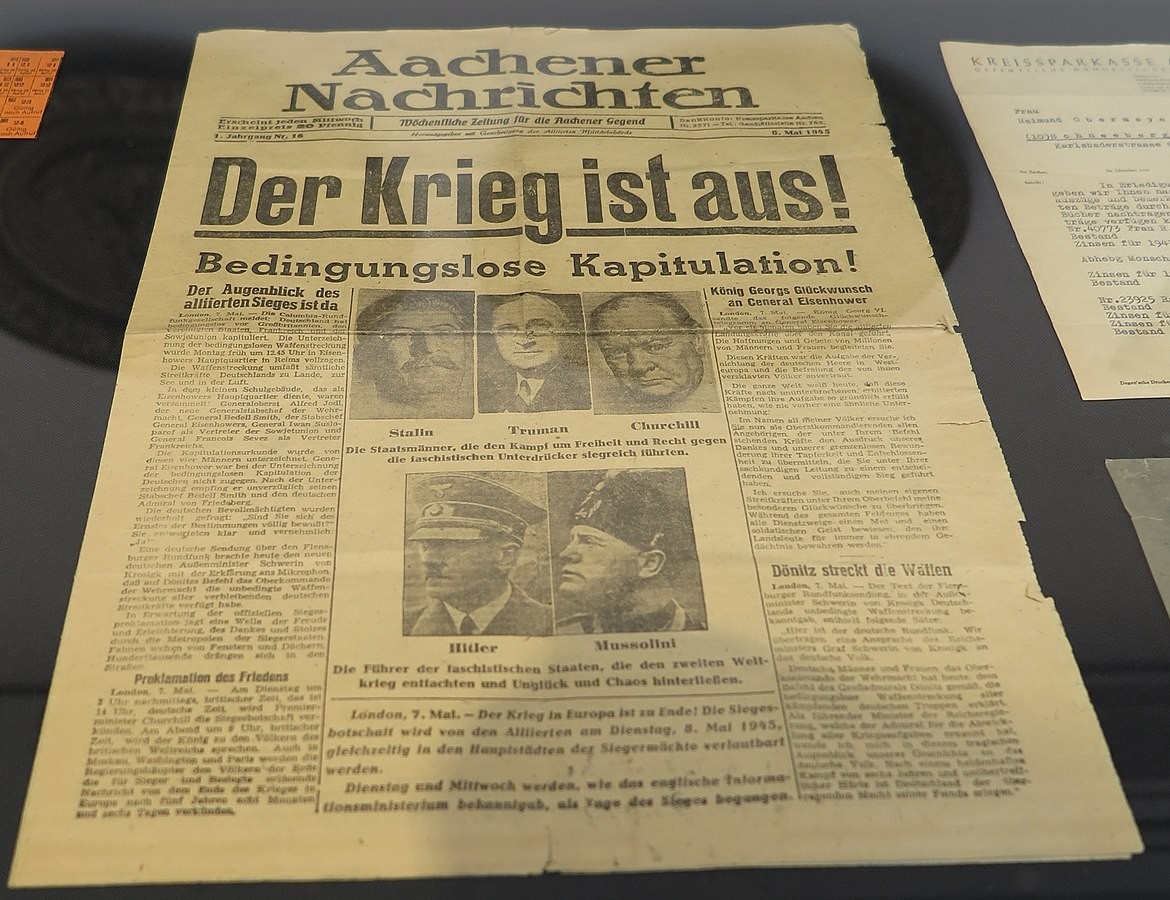
For the Allies, the liberation of Aachen was significant both strategically and in terms of propaganda: the war had now clearly reached German soil. For many residents, the capture of the city marked the beginning of their liberation from Nazi dictatorship, even though many months of bloody fighting still lay ahead before Germany’s surrender in May 1945.
The statue "The Reader" (German: Die Lesende, Buchkremerstraße 2–6) is recommended as the starting point for the walk.