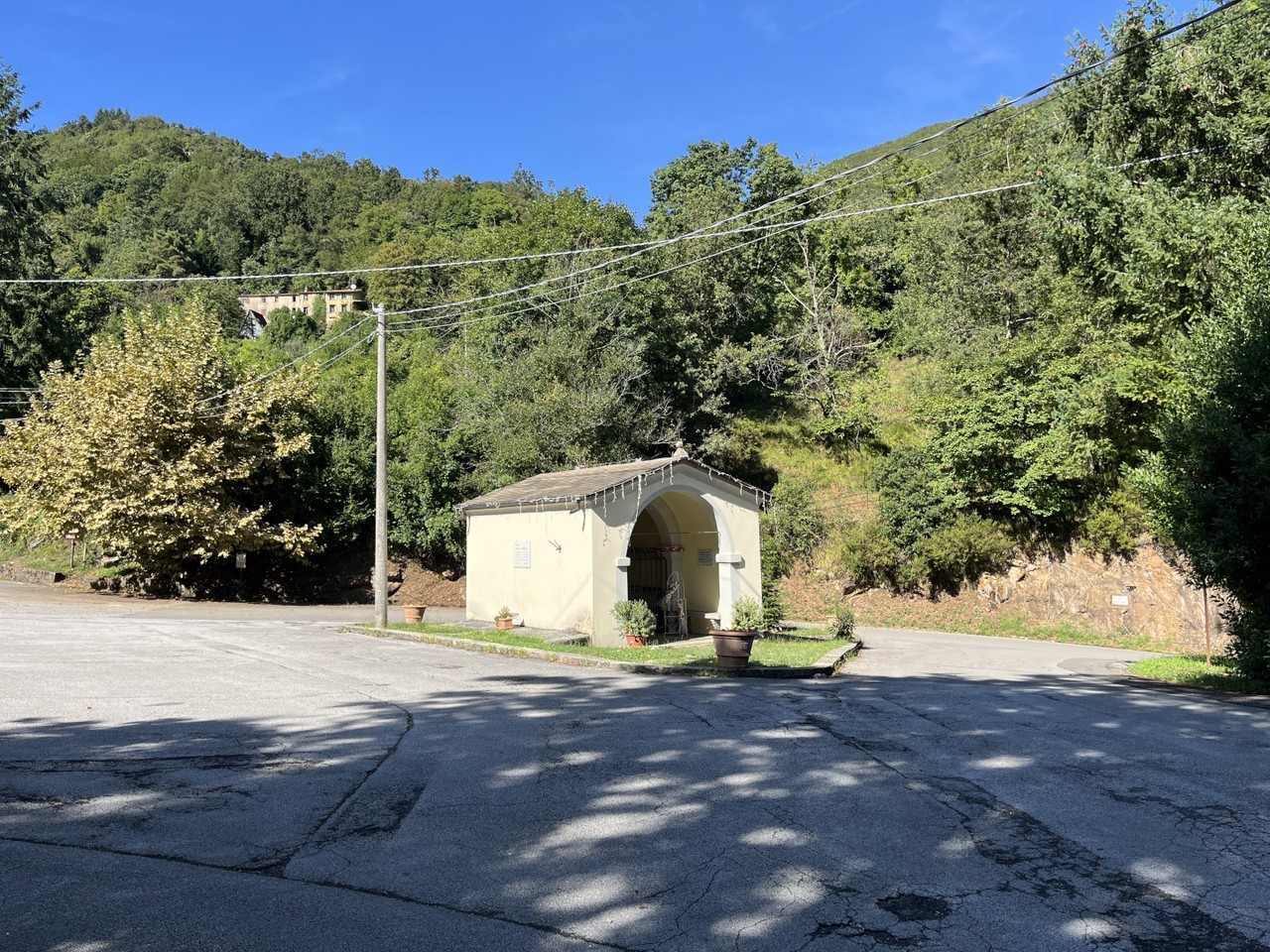
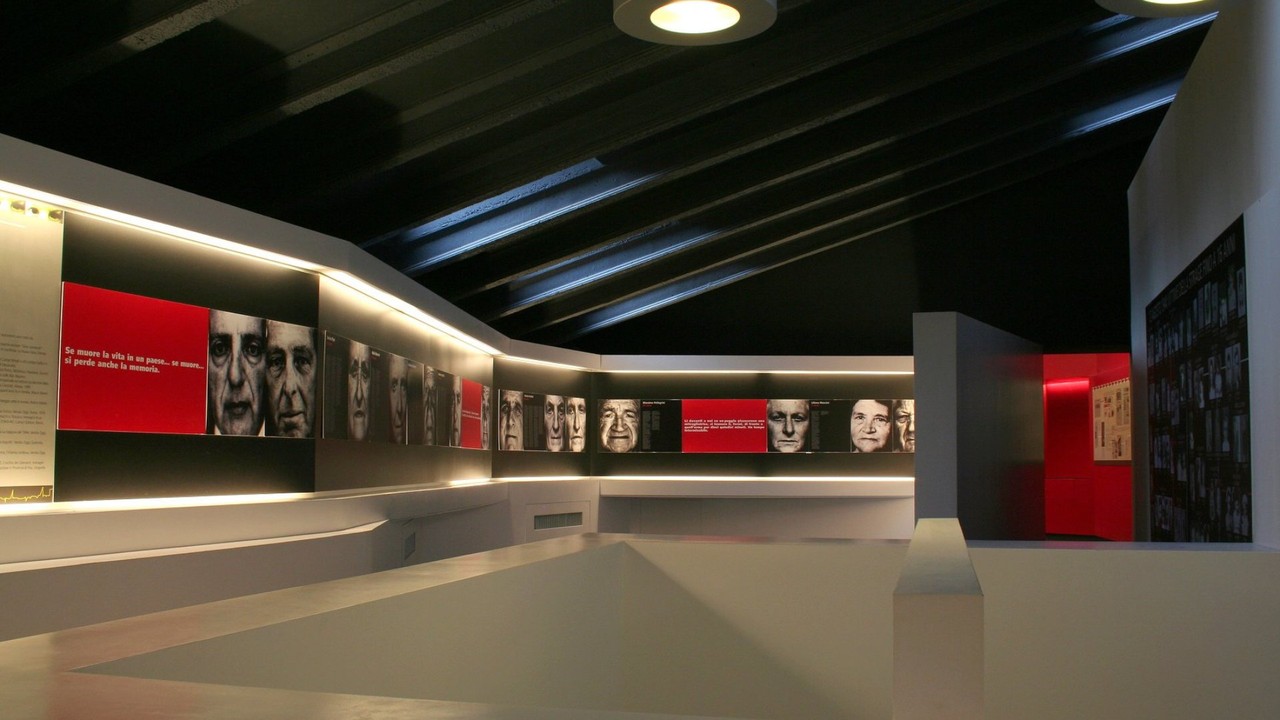
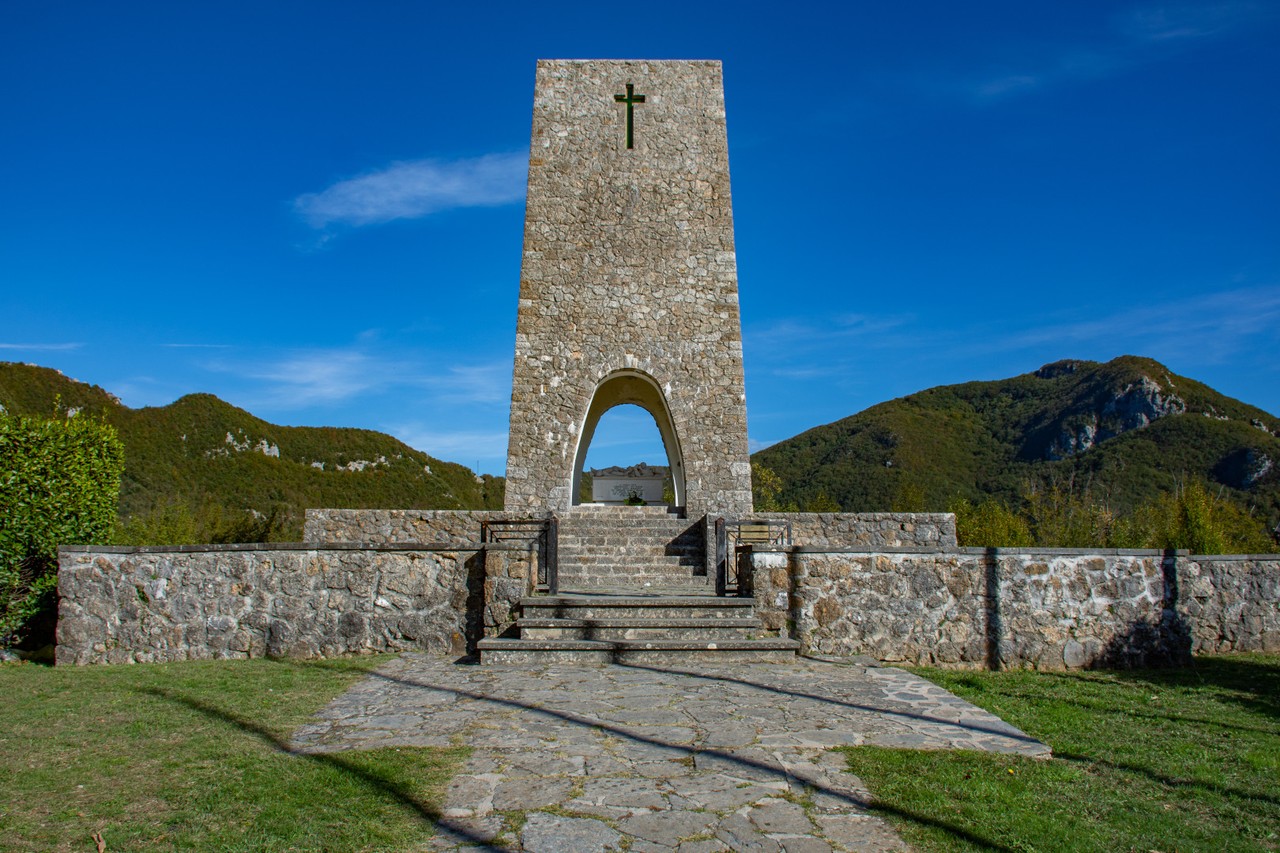
A striking stage, almost entirely along trails, crossing places steeped in history, where every step combines remembrance and wonder. There are many points of interest, from the village of Casoli, known as the “village of sgraffiti” for the many murals decorating its streets, to the Abbey of San Pietro and the town of Camaiore. The natural landscapes take center stage, with magnificent views of the Apuan Alps and the evocative waterfalls of Candalla.
Leaving Sant’Anna di Stazzema behind, the trail enters the forest until it reaches the road leading to the hamlet of Sennari, which in the summer of 1944 was completely burned down by a patrol of the “Reichsführer-SS,” while its hundred inhabitants were driven away and, by sheer luck, spared from machine-gun fire. From there, the route continues toward the Foce di Farnocchia — also known as Focette — at nearly 900 meters above sea level, a mountain pass where the view suddenly opens onto the Versilia plain and the shimmering Ligurian Sea. From this point, on the morning of August 12, 1944, German soldiers and Italian collaborators fired colored flares into the sky to coordinate the operation that would lead to the massacre of Sant’Anna.
The descent after the pass follows trail 114 (CAI 4), along a broad and well-preserved mule track winding through centuries-old chestnut trees and beech groves whose filtered light changes beautifully with the seasons. The route passes through the village of Farnocchia, a charming stone hamlet suspended among the mountains, with a small square offering remarkable views of the Apuan Alps, stretching from Pania della Croce to Monte Forato and Monte Matanna. In the same square stands a monument to those fallen in the First World War. Here it is also possible to admire the so-called Pietralunga, a limestone monolith that stands out on the northern slope of Monte Gabberi.
From Farnocchia, the trail climbs toward Foce di San Rocchino, from which the valley of Camaiore unfolds below, with views extending across the plain to Lake Massaciuccoli and, on the clearest days, as far as the entire Tuscan Archipelago. The forest here, composed of oak, hornbeam, and chestnut trees, is especially dense and peaceful, inhabited by roe deer, squirrels, and a wide variety of birds of prey such as buzzards and kestrels. The route then follows trail 106 descending toward the basin of Camaiore.
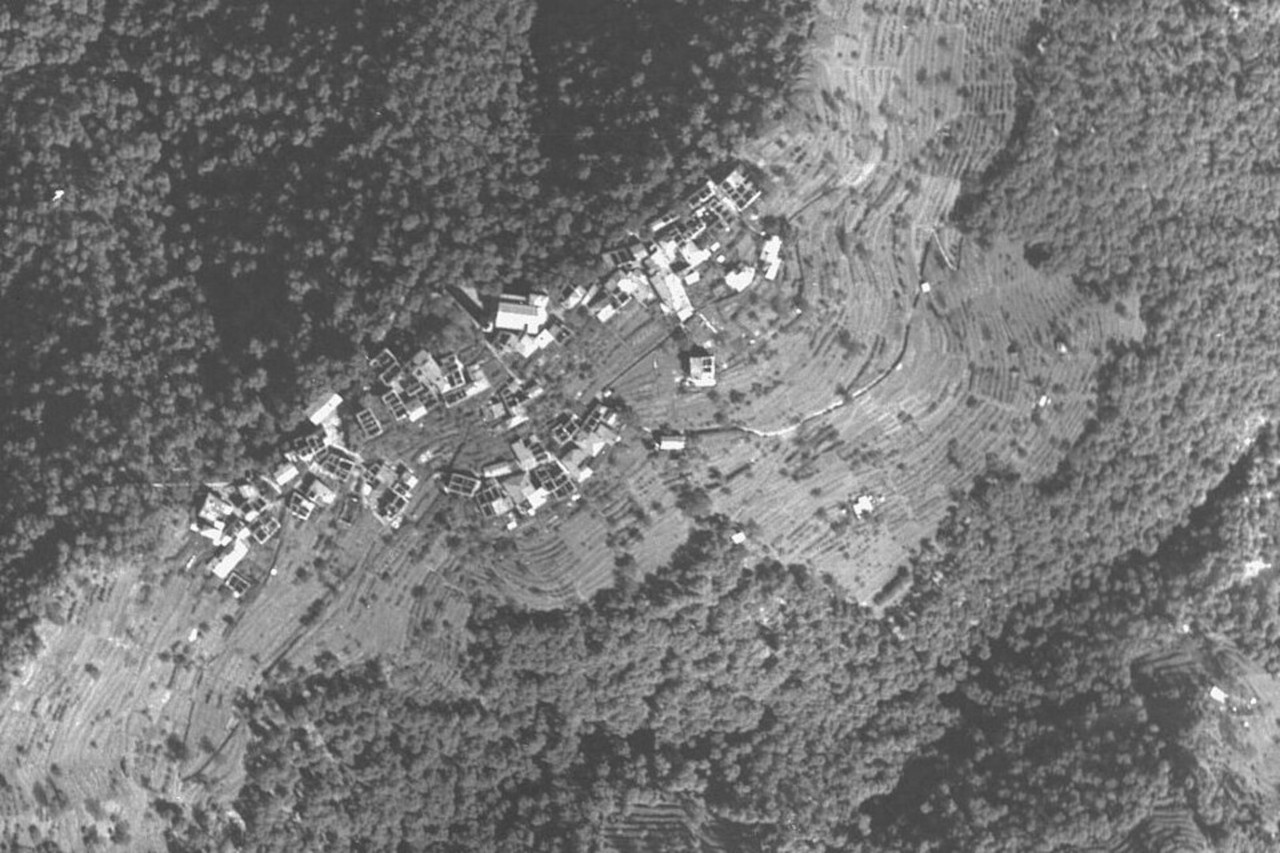
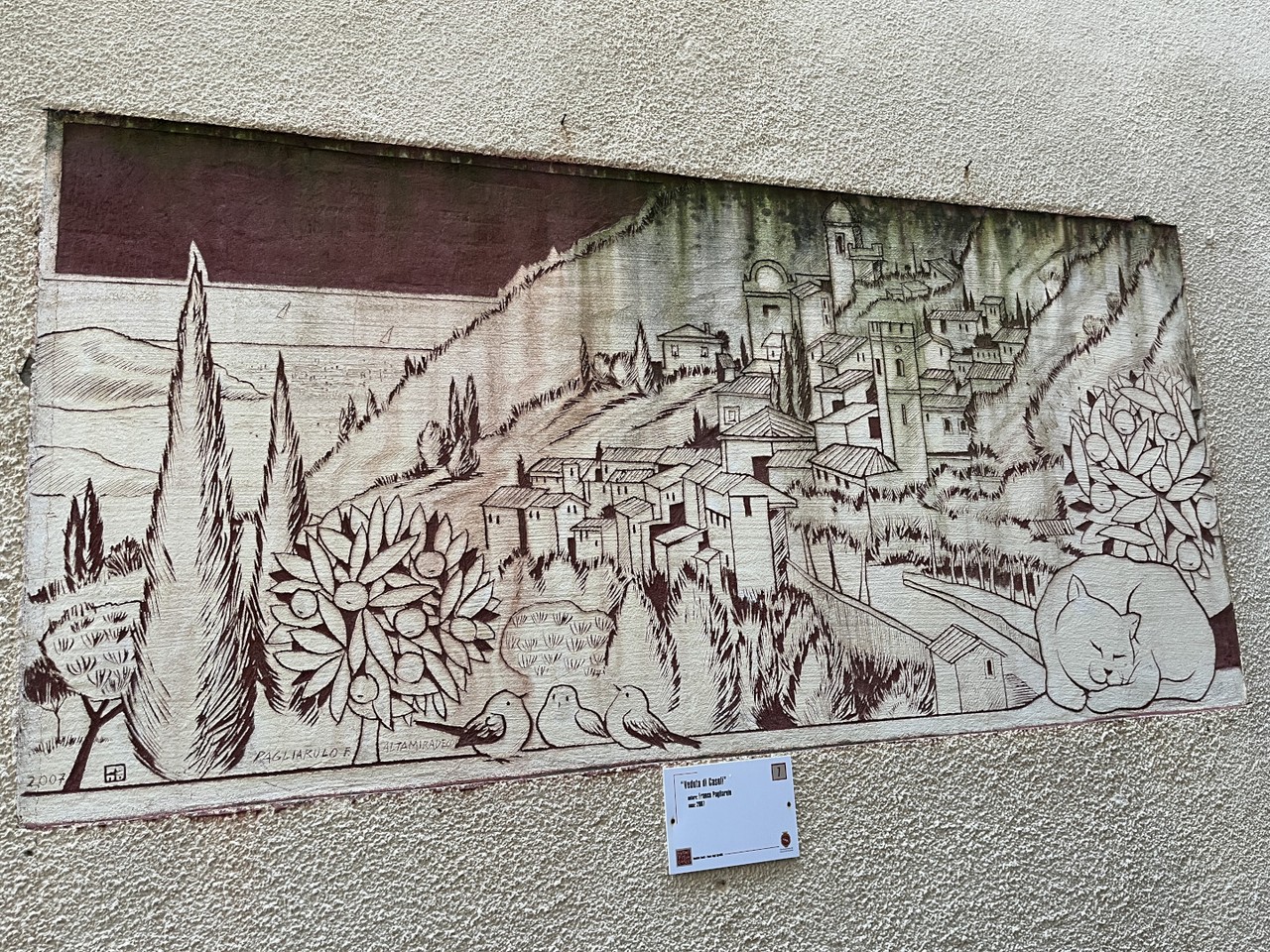
Passing through Casoli is one of the most surprising moments of the entire stage. Mentioned as early as the 10th century, the village owes its existence to the Lombard Road that once crossed the slopes of Monte Matanna, also known as the “oil road” because of the trade routes that passed through it. Today Casoli is famous as the “village of sgraffiti”: the Sicilian artist Rosario Murabito, who moved here in the mid-20th century, fell in love with the village and created the first graffiti artworks on the house walls, beginning a tradition that depicts mythological scenes and everyday life, transforming every alley into a small open-air museum. Nearby lies the Grotta all’Onda, a karst cave that once served as a prehistoric settlement: Neanderthal hunters took shelter here, and during the Neolithic period our ancestors lived in the cave for long stretches of time, leaving behind tools and remains that testify to 40,000 years of human presence.
The village of Casoli is connected to the network known as the Traversata delle Frazioni Camaioresi (TFC), a system of trails that in this case follows the valley of the Lombricese stream, whose name recalls the local aquatic fauna, including oligochaetes resembling earthworms. Nearby, visitors can also explore a Bronze Age archaeological area with several rock shelters that have preserved bone artifacts, terracotta vessels, and amber ornaments.
The journey continues along the TFC trail C7/C8, also called the “Sentiero da Saudade,” in memory of the soldiers of the Brazilian Expeditionary Force (FEB), who walked this route during their first mountain mission in September 1944.
The crystal-clear waters of the Lombricese create numerous pools and waterfalls along the valley, considered among the most beautiful in Tuscany, especially in the evocative gorge of Candalla, before the trail reaches the final flat stretch leading to the Abbey, the ancient monastery dedicated to Saint Peter of Camaiore, first mentioned in 761 AD. The route then continues toward the center of Camaiore, a lively and compact medieval town where the stage pleasantly comes to an end.