Forced Labour Camps in Jersey
Jersey
Themaroute, ontwikkeld in samenwerking met onze partner

Themaroute, ontwikkeld in samenwerking met onze partner
Markeren
Deel
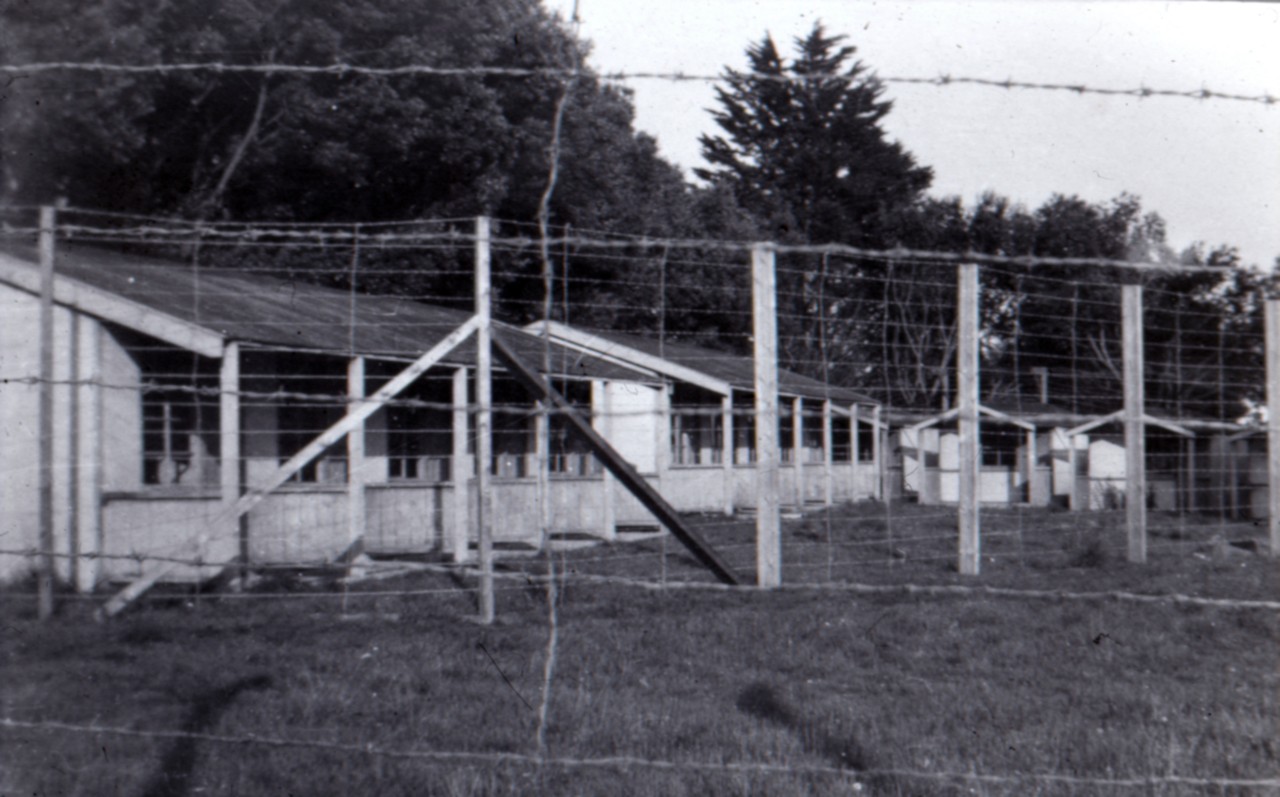
During a three-year period from the autumn of 1941, approximately 6,000 foreign workers - men and some women - were brought to German-occupied Jersey against their will by the Organisation Todt (OT), the civil and military engineering body of Nazi Germany.
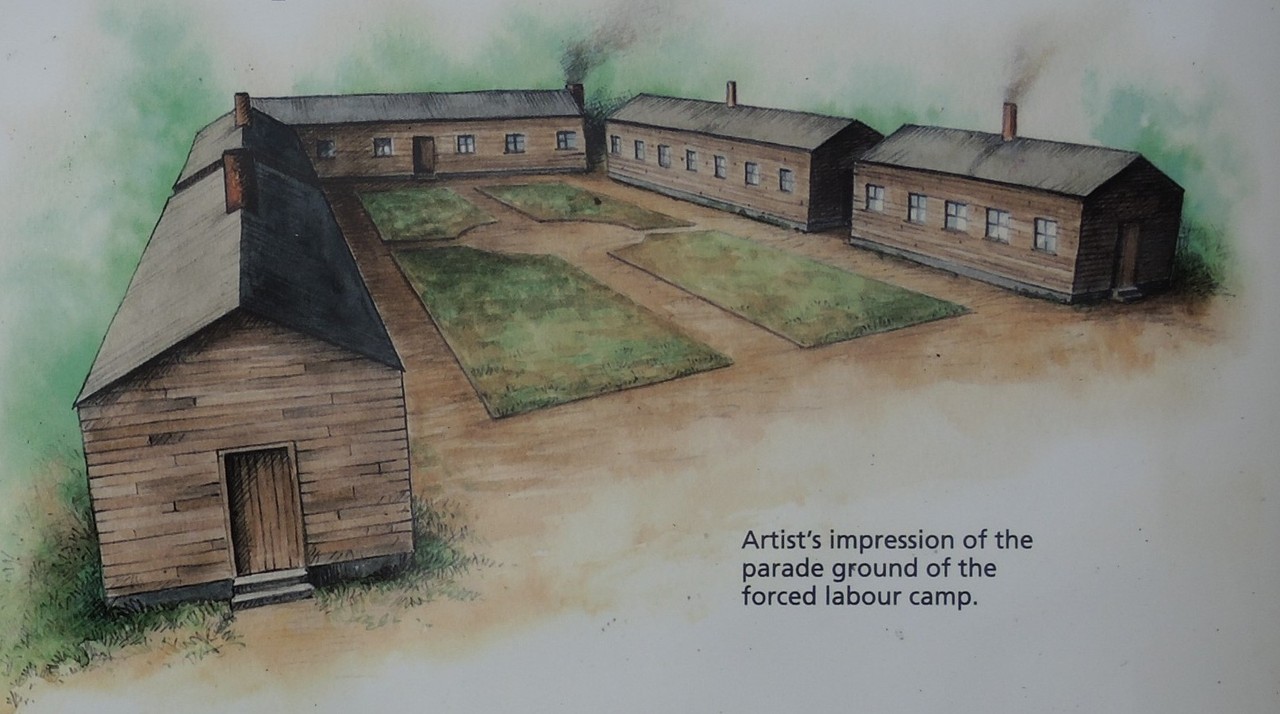
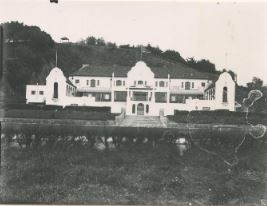
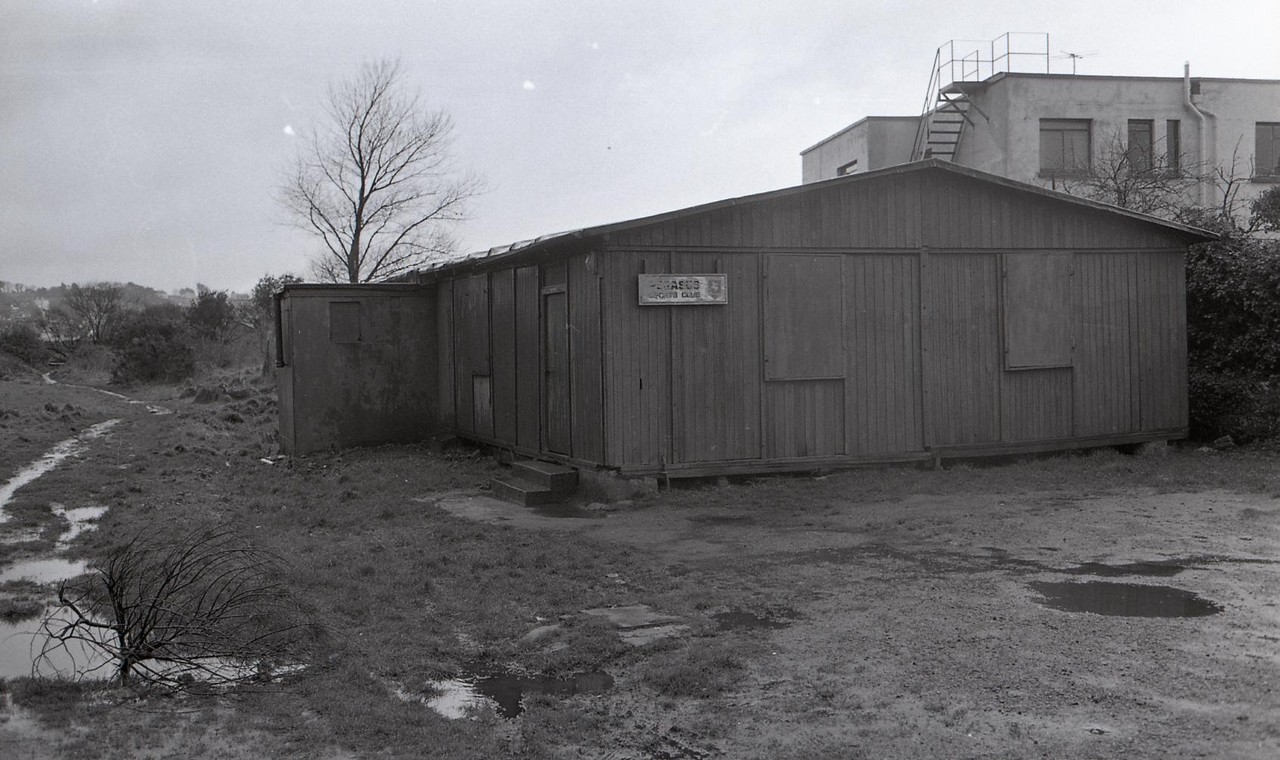
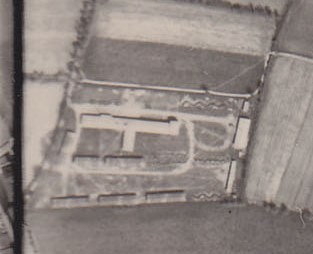
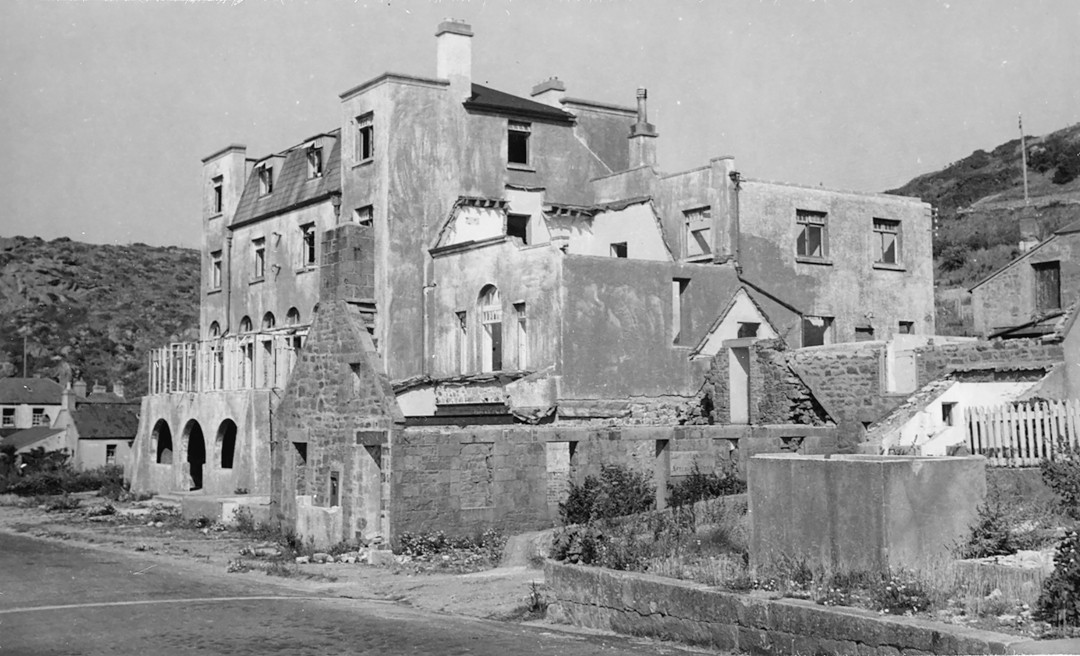
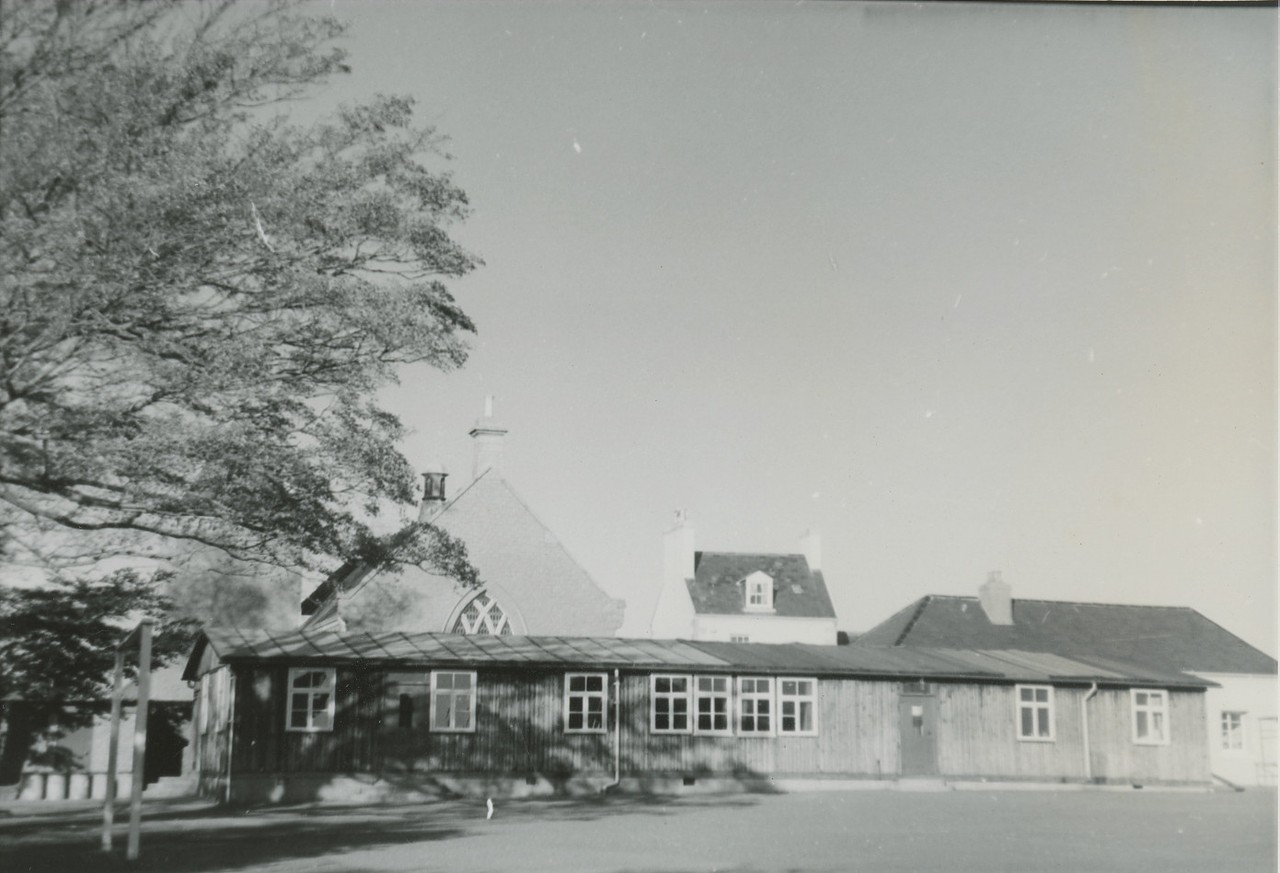
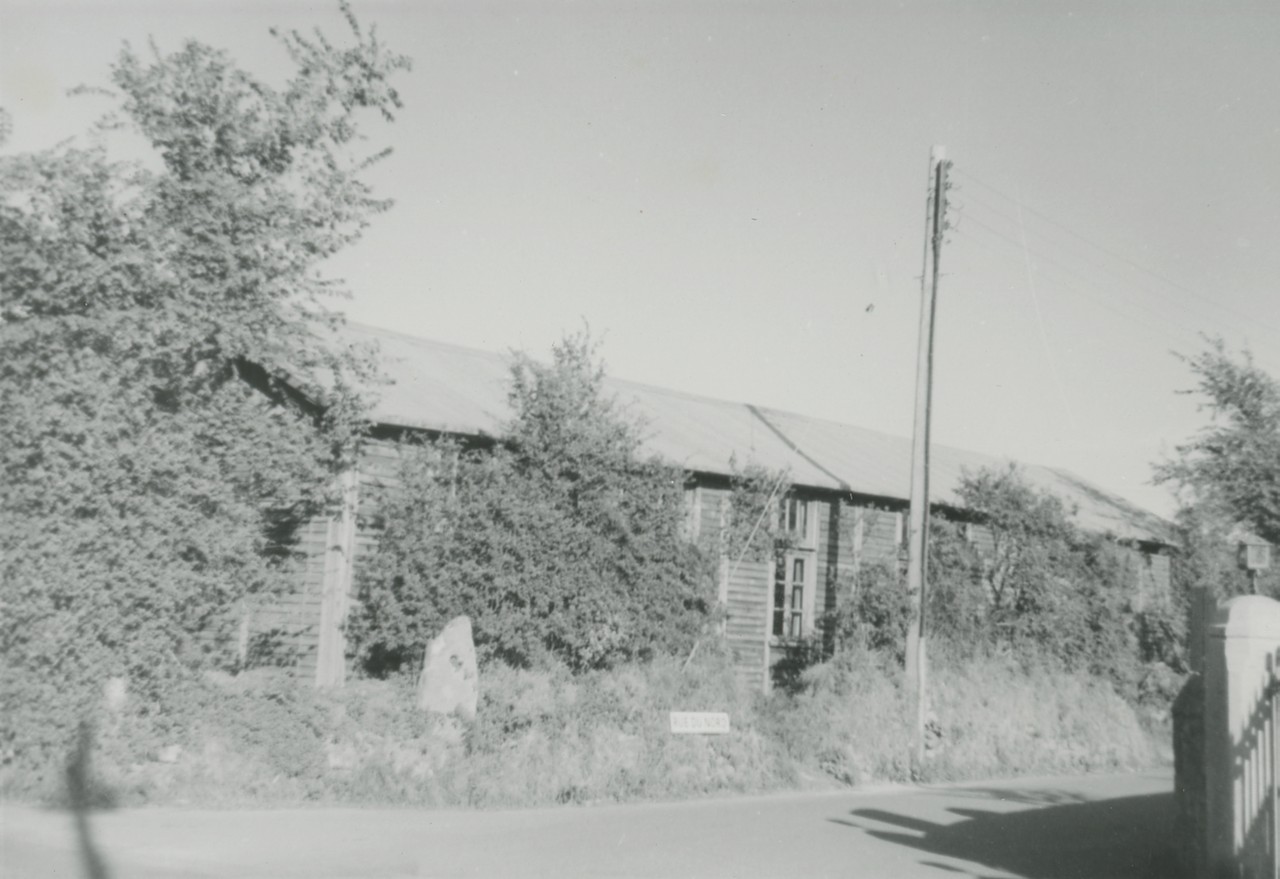
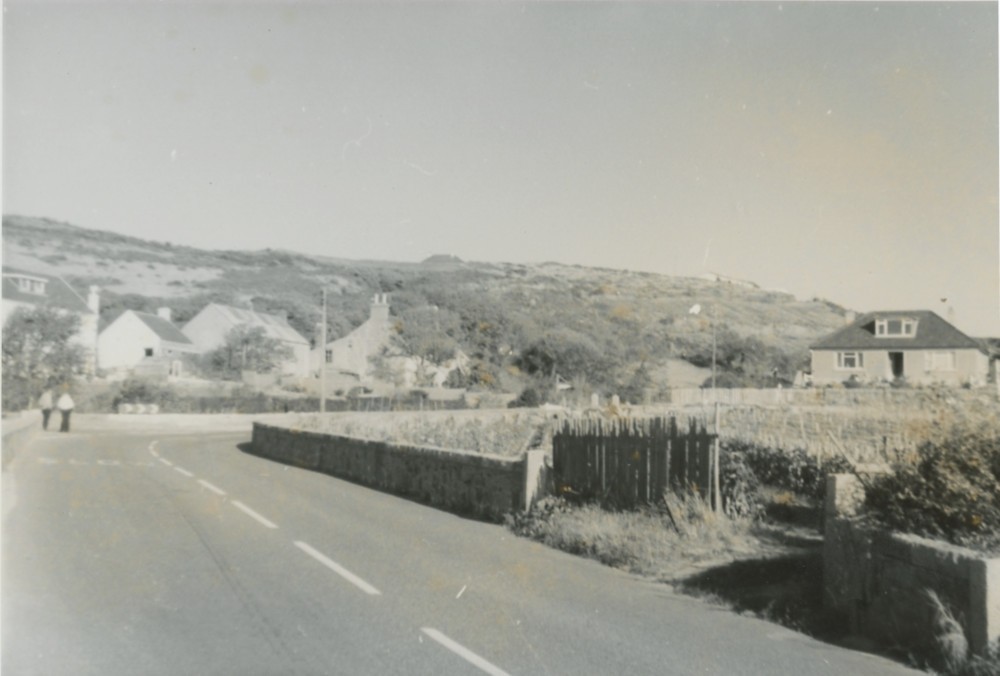
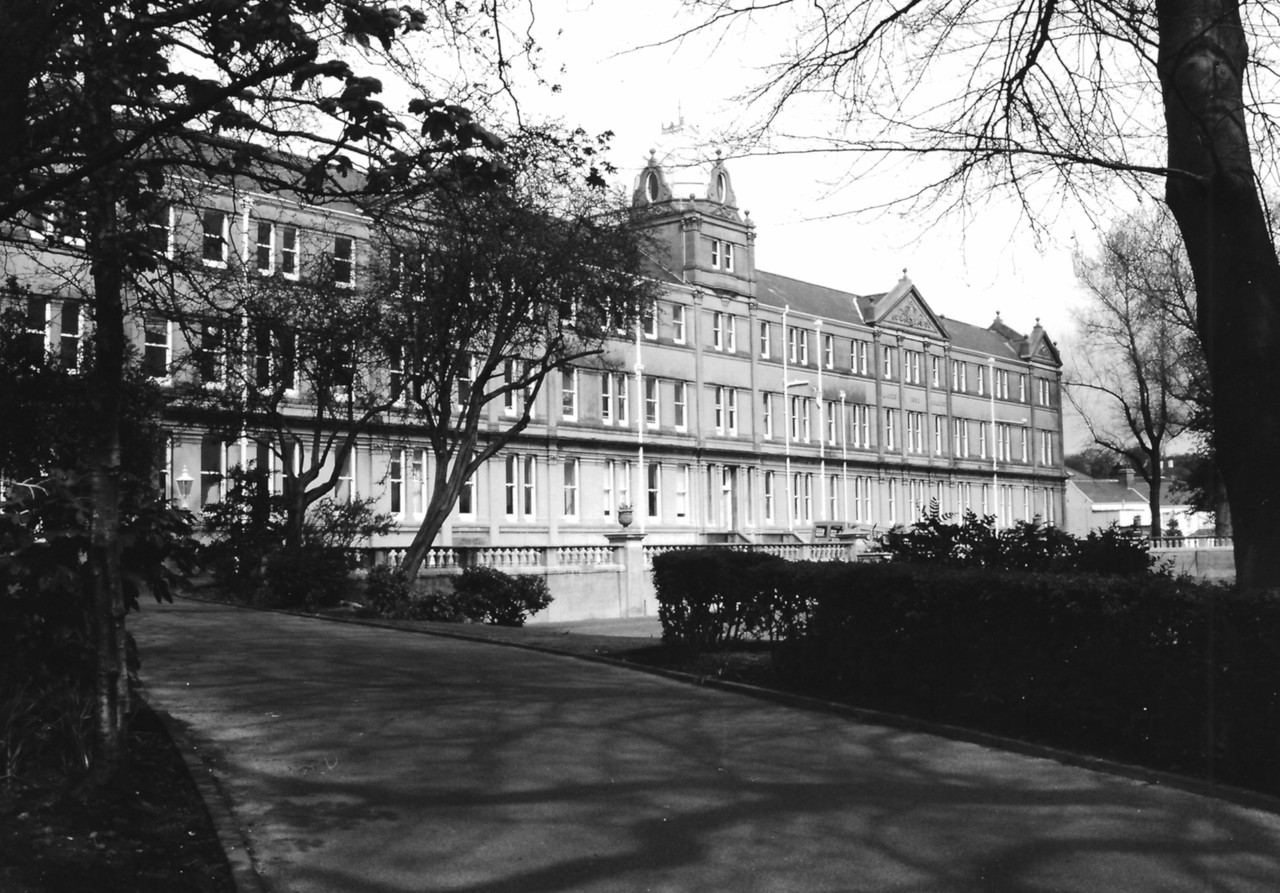
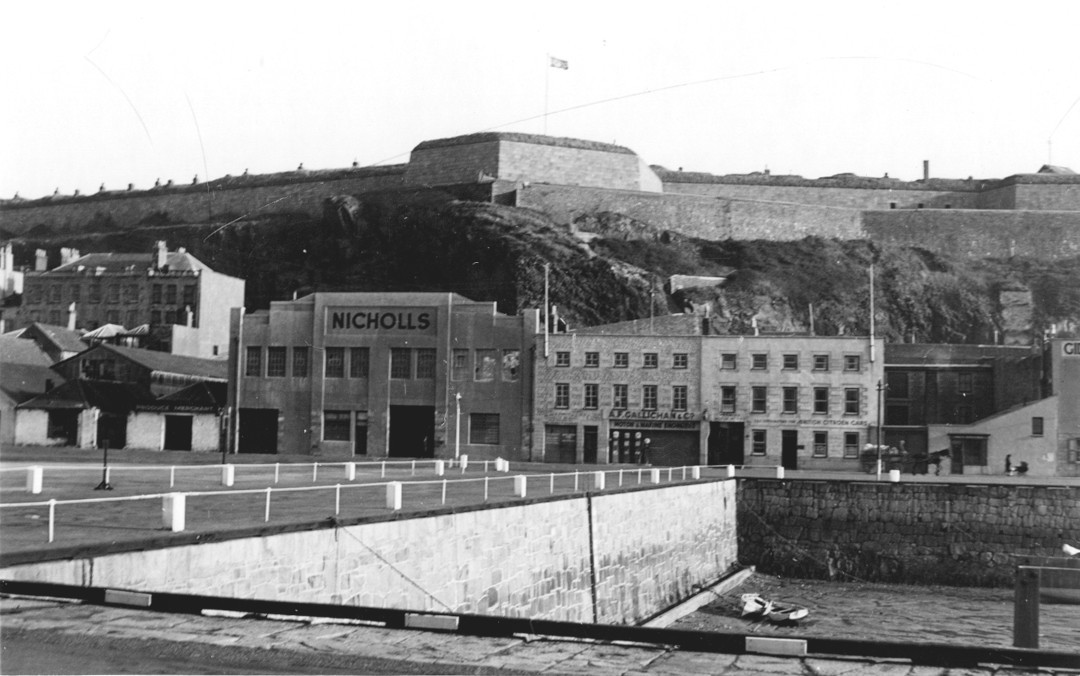
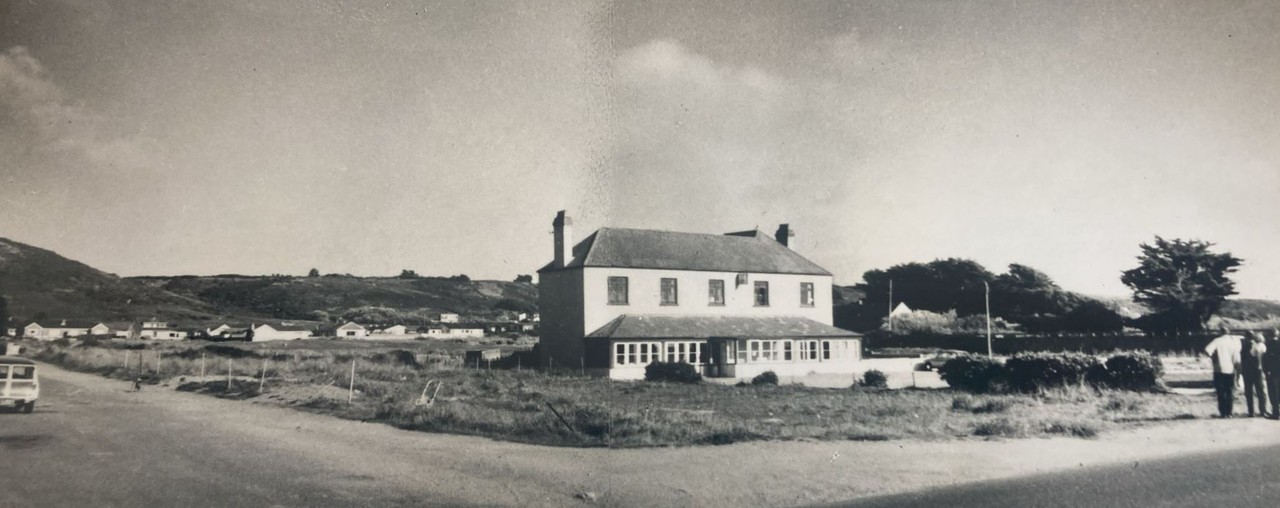
The workers were encamped at 13 forced labour camps, often located near to construction sites, which have now been marked with the first Liberation Route Europe Vectors of Memory to be laid in the Channel Islands. This themed route will lead you to all of the camps and share some of what we know about the experiences of the workers.
Workers were made to participate in the construction of concrete fortifications, excavation of tunnel complexes, the gathering of sand and stone and the unloading of materials from barges. They came from numerous countries including Algeria, Belgium, Czechoslovakia, France, Holland, Italy, Morocco, Poland, Russia, Senegal, Spain, Tunisia and Ukraine. Workers fell into two categories: labourers from Western Europe and North Africa were conscripted or forced workers - they were paid in Occupation Reichsmarks and free to move around the Island outside of working hours, subject to curfew. Soviet workers from Ukraine, Belarus and Russia were regarded as dispensable slave labour – they received no payment or freedom, had the most nominal rations and were treated with wanton brutality. It is unclear which category the Polish workers fell into.
This trail, its sites and stories and Vectors of Memory represent an important permanent addition to Jersey’s commemorative landscape. These largely forgotten sites of suffering, and the people who inhabited them, can now be appropriately remembered.